
‘Attacks On Seafarers Must End’: India Condemns Attack On Ship Carrying Indian Sailors In Strait Of Hormuz
Introduction and Key Takeaways
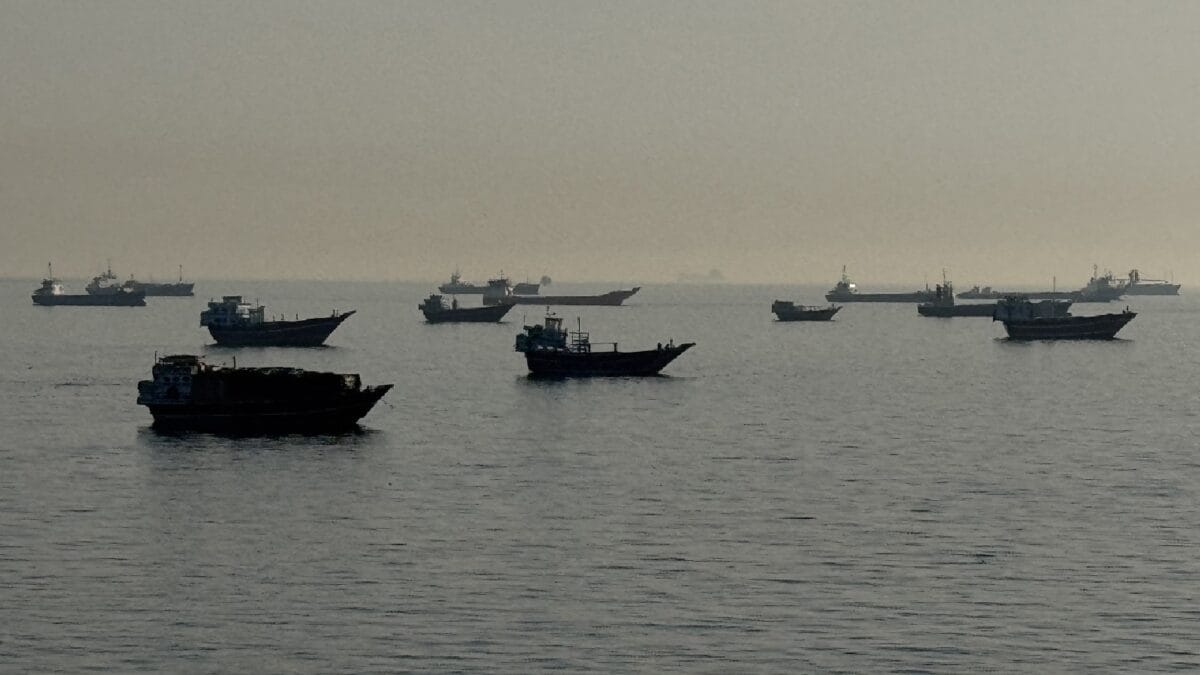
The global maritime community is facing a renewed period of instability as a recent Strait of Hormuz attack has left several mariners injured. On Tuesday, a Panama-flagged commercial vessel identified as MT On Peace was struck by a projectile while traversing this vital chokepoint off the coast of Oman. The incident, which involved a crew of 19 individuals, including 17 Indian nationals, has prompted immediate diplomatic concern from New Delhi. This event highlights the growing dangers faced by global merchant fleets in conflict-prone maritime corridors, often referred to as the Strait of Hormuz.
- The MT On Peace was struck by a projectile, resulting in 12 injuries among the crew.
- Of the 17 Indian nationals aboard, 11 sustained injuries and required medical evacuation.
- The Indian Ministry of External Affairs (MEA) has issued a formal condemnation, urging for an immediate cessation of violence against civilian shipping.
- Omani authorities played a critical role in the rapid medical evacuation of the injured mariners to Khasab.
Background and Context: What Just Happened?
The Strait of Hormuz is one of the world’s most critical maritime arteries, facilitating a significant portion of global energy supplies. When a commercial ship like the MT On Peace is targeted, it sends shockwaves through international logistics and insurance markets. Following the projectile strike, the vessel’s crew faced an immediate threat to life, necessitating international cooperation to ensure their safety. This incident follows a pattern of repeated attacks on commercial shipping in the region, which has become a volatile theater for state and non-state actors alike.
Root Cause and Deep Dive Analysis: Why Did This Happen?
The root of such hostilities often lies in complex geopolitical tensions between regional powers and external influences. The Strait of Hormuz remains a central stage for posturing and proxy conflicts. When vessels are targeted, it is rarely a coincidence. Rather, it is a deliberate act intended to disrupt economic flow or send a strategic message to nations with a vested interest in the region’s stability. For India, the safety of its citizens serving on international fleets is a top priority, as detailed in our analysis of who is protecting Indian seafarers in conflict zones. The reliance on foreign-flagged vessels often complicates legal recourse, yet the humanitarian obligation to ensure the safety of these workers remains paramount.
Strategic Implications and Future Impact: What Does This Mean Globally?
The global economy is hyper-dependent on the free flow of goods through narrow straits. Every time an attack occurs, shipping insurance premiums surge, supply chains face delays, and maritime security becomes a costlier endeavor for private shipping companies. As incidents increase, we may witness a permanent shift toward increased military patrols and the hardening of merchant vessels against aerial or sea-based projectiles. Furthermore, for nations like India, the diplomatic pressure to protect its workforce from being caught in regional crossfires is intensifying. This is not merely a diplomatic spat, but a warning to the international community that the status quo of maritime safety is being fundamentally challenged.
Conclusion and What to Watch Next
The situation involving the MT On Peace serves as a grim reminder that seafarers are increasingly serving on the front lines of geopolitical disputes. While the 11 injured Indians are currently receiving medical attention in Khasab, the broader question of how to secure the region remains unresolved. Observers should watch for potential shifts in the maritime security postures of regional players, and any secondary diplomatic fallout that may arise from the Indian government’s demand for safety in the region. Peace in the Strait of Hormuz is not only a goal for regional stability but an essential requirement for the continued movement of global commerce.