
India opposition leaders briefly arrested in protest against election chief
Introduction and Key Takeaways
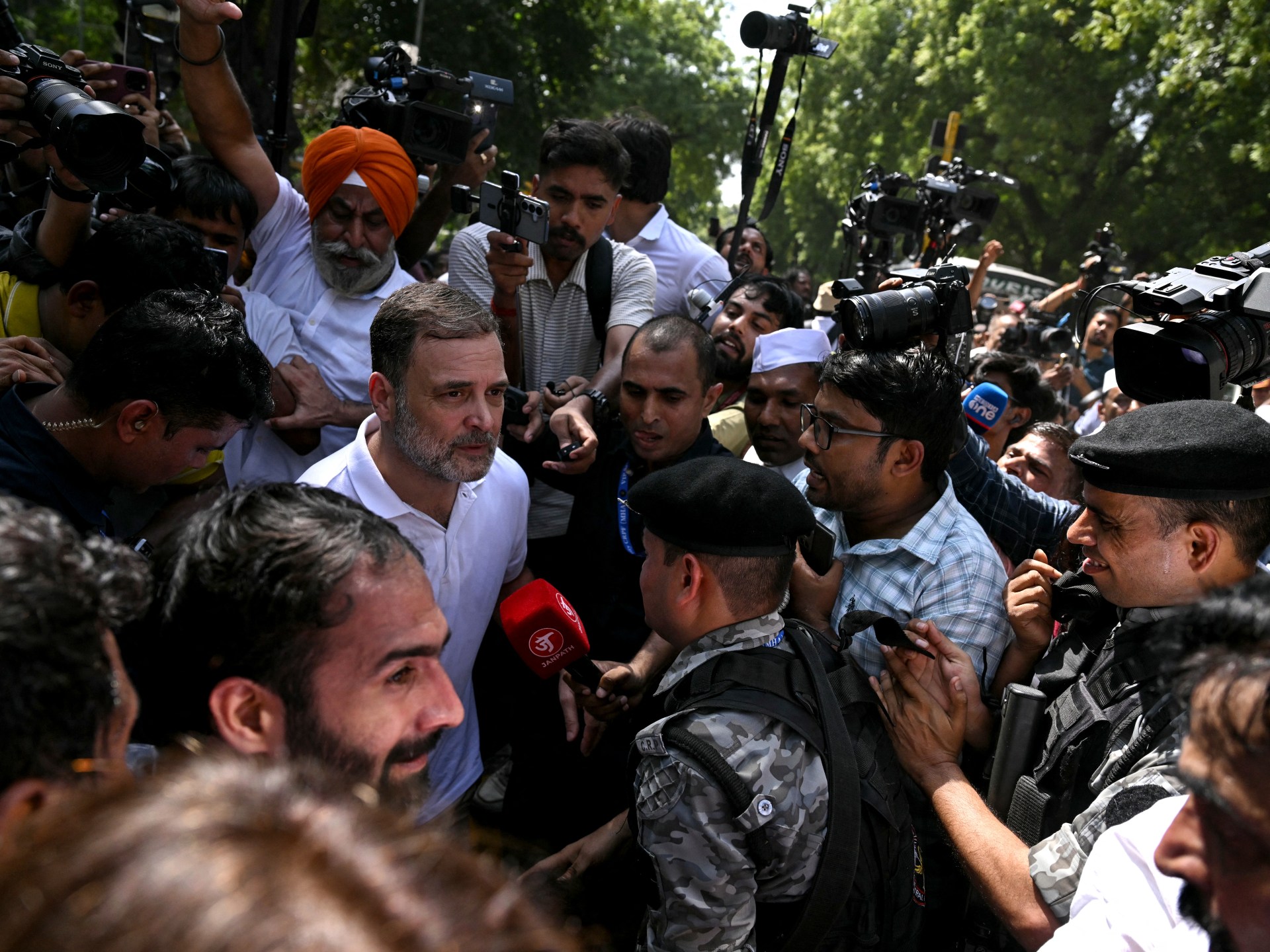
The political landscape in India is currently defined by intense friction between the ruling Bharatiya Janata Party and a coalition of opposition forces. At the heart of this unrest is a series of escalating demonstrations targeting the Election Commission of India. Central to the controversy is the Election Chief, a figure whom critics accuse of undermining democratic processes through a contentious revision of national voter rolls. This ongoing standoff, highlighted by the recent arrest of senior legislators, signals a deepening crisis of institutional trust in one of the world’s largest democracies. The protest movement, which includes the prominent opposition figure Rahul Gandhi, claims that the current administration is utilizing bureaucratic mechanisms to disenfranchise specific demographics.
Key takeaways from this developing situation include:
- The opposition is demanding the immediate resignation of Chief Election Commissioner Gyanesh Kumar.
- Government officials have countered these claims by accusing opposition leaders of attempting to incite national instability.
- The crux of the dispute lies in the Special Intensive Revision of voter lists, which critics fear could purge millions of valid voters.
- Institutional integrity remains the primary point of contention in an increasingly polarized political environment.
Background and Context: The Election Chief Crisis
The unrest began gaining momentum as concerns surfaced regarding the technical processes governing voter eligibility. What started as localized skepticism in Bihar eventually transformed into a nationwide movement. Students, civil society organizations, and youth collectives, such as the self styled Cockroach movement, have joined forces with established political entities like the Indian National Congress. For a detailed look at how political tensions have surfaced elsewhere, see this analysis on current opposition dynamics. The current administration maintains that these revisions are essential for removing duplicates and maintaining accurate electoral data. However, for many citizens, the bureaucratic hurdles associated with these revisions appear to be a deliberate strategy to curb the influence of specific voter bases.
Root Cause and Deep Dive Analysis
Why has the role of the Election Chief become so volatile? The answer lies in the intersection of data management and political survival. By requiring complex, often inaccessible documentation, the Special Intensive Revision has drawn sharp criticism from human rights observers and independent analysts. According to the International Institute for Democracy and Electoral Assistance, the transparency of voter roll management is a bellwether for democratic health. When the Election Chief faces allegations of partisan alignment, the perceived legitimacy of all subsequent electoral outcomes is diminished. The opposition argues that the Election Commission has evolved into a proxy for the ruling party, effectively shifting the balance of power through procedural exclusions.
Strategic Implications and Future Impact
The broader implications of this conflict extend beyond the immediate street protests. If the credibility of the Election Commission continues to erode, India faces a period of protracted instability. The government’s decision to label the opposition’s dissent as an attack on state institutions suggests that there is little room for compromise. This rhetoric, while serving to energize the ruling party’s base, effectively polarizes the electorate further. Internationally, these events are being watched closely by global stakeholders who view India as a strategic partner. A decline in institutional trust complicates diplomatic narratives regarding democratic stability. Furthermore, if the voter rolls do indeed shrink by the predicted 30 percent, the resulting electoral map may look fundamentally different from historical precedents, triggering long-term questions about the inclusivity of India’s representative governance.
Conclusion and What to Watch Next
As the standoff continues, all eyes will be on the Election Commission’s next moves. The directive issued to officials to register previously omitted voters may be seen as a reactive attempt to quell public outcry, yet it remains to be seen whether such measures will satisfy the demands of the opposition. Future protests are likely to intensify unless there is a significant shift in leadership or a radical increase in transparency regarding voter list verification. Observers should monitor the judicial responses, as the courts may eventually become the final arbiter in this institutional tug of war. Maintaining the integrity of democratic structures is an ongoing process that requires constant vigilance from all sectors of society, especially when the lines between administrative duty and political strategy become increasingly blurred.