
Four Students Die After Suspected Toxic Gas Exposure In Water Tank At Vrindavan Gurukulam
Introduction & Key Takeaways
A profound sense of grief has descended upon the community in Vrindavan, following a harrowing incident at a local residential school that resulted in the deaths of four young students. The tragedy, which occurred when the students attempted to clean an underground water tank, has sparked a wave of indignation and calls for institutional accountability. This article examines the circumstances surrounding this toxic gas exposure, the institutional failures involved, and the broader implications for student safety in residential educational facilities.
Key Takeaways:
- Four students, aged between 17 and 20, lost their lives due to suspected toxic gas inhalation.
- The incident occurred at the Vrindavan Gurukulam, a residential Sanskrit school, while students were engaged in manual cleaning of an underground tank.
- One survivor is currently undergoing medical treatment and is reported to be in stable condition.
- Authorities have launched a magisterial inquiry to determine liability, regulatory compliance, and potential negligence.
Background & Context
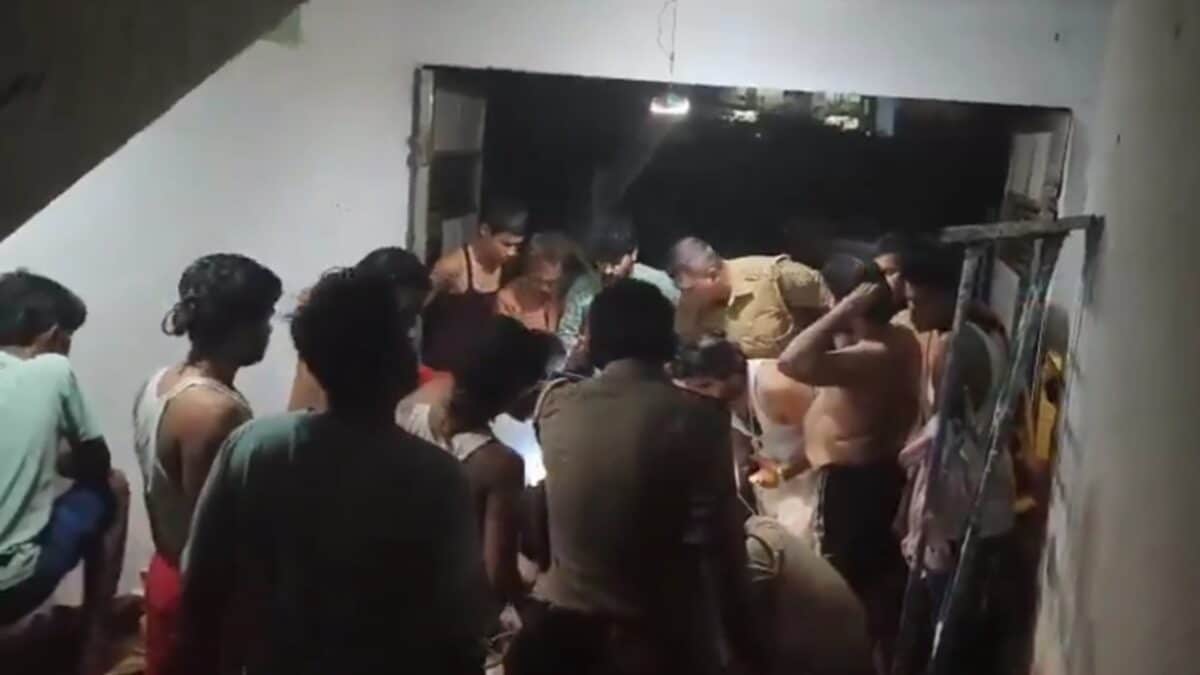
The incident took place in Chaitanya Vihar, Vrindavan, where residents and students alike have been left reeling. According to initial reports, the students sensed a foul smell emanating from an underground water tank that measured approximately 12 to 14 feet in depth. Motivated by a desire to clear the sediment and sludge, they initiated the cleaning process. The chain of events was swift and devastating. One student entered the confined space, only to succumb almost immediately to unconsciousness due to oxygen depletion or toxic gases. In a desperate act of camaraderie and bravery, four other students entered the tank to rescue their peer. They too were quickly overwhelmed, leading to a tragic collapse for all five individuals involved.
Root Cause & Deep Dive Analysis
The primary focus of the investigation is understanding why students were tasked with the hazardous responsibility of cleaning a confined, deep-well environment without professional equipment. Confined space entry is a highly regulated industrial task, requiring gas detectors, ventilation, and safety harnesses. The lack of these safeguards is a catastrophic failure of management. As noted by officials, a magisterial inquiry is underway to assess whether the Gurukulam possessed the necessary legal recognition and to determine the specific circumstances that led to this decision.
There are also significant concerns regarding the regulatory oversight of similar traditional institutions. While residential schooling, such as that provided in a traditional Gurukulam setting, is a cornerstone of cultural education, this tragedy highlights a systemic gap in safety protocols. This incident reflects similar anxieties observed in other institutional settings, such as those discussed in recent public health crises, where rapid, informed institutional responses are required to prevent widespread casualties.
Strategic Implications & Future Impact
The tragedy serves as a grim catalyst for a regional overhaul of safety standards. The district administration has already signaled an intent to conduct sweeping inspections of all similar facilities in the area to identify potential hazards. This event, which has garnered attention from the highest levels of the state government, may lead to stricter enforcement of building safety codes and mandatory safety training for staff at all residential educational centers. Furthermore, the legal fallout is expected to be significant, as families of the deceased pursue accountability for the negligence that placed their children in harm’s way. The state must now balance the preservation of cultural educational traditions with the absolute necessity of maintaining modern safety standards to ensure no student is ever again subjected to such preventable risks.
Conclusion & What to Watch Next
As the legal and administrative inquiries progress, the public eye remains fixed on the findings of the magisterial report. The priority for the administration is not merely to assign blame but to implement long-term preventive measures that ensure structural safety and professional oversight. For those interested in deeper insights regarding institutional accountability and similar public safety events, further reading on cases like the failed execution of death row inmates demonstrates the critical importance of procedural adherence and safety protocols in institutional environments. Moving forward, the focus must shift to ensuring that the memory of these students drives a permanent shift in how safety is perceived and enforced within all learning environments in the region.