
‘World Is Talking About Indian Pilot, One Day It’ll Talk About Made In India Planes’: PM Modi
Introduction & Key Takeaways
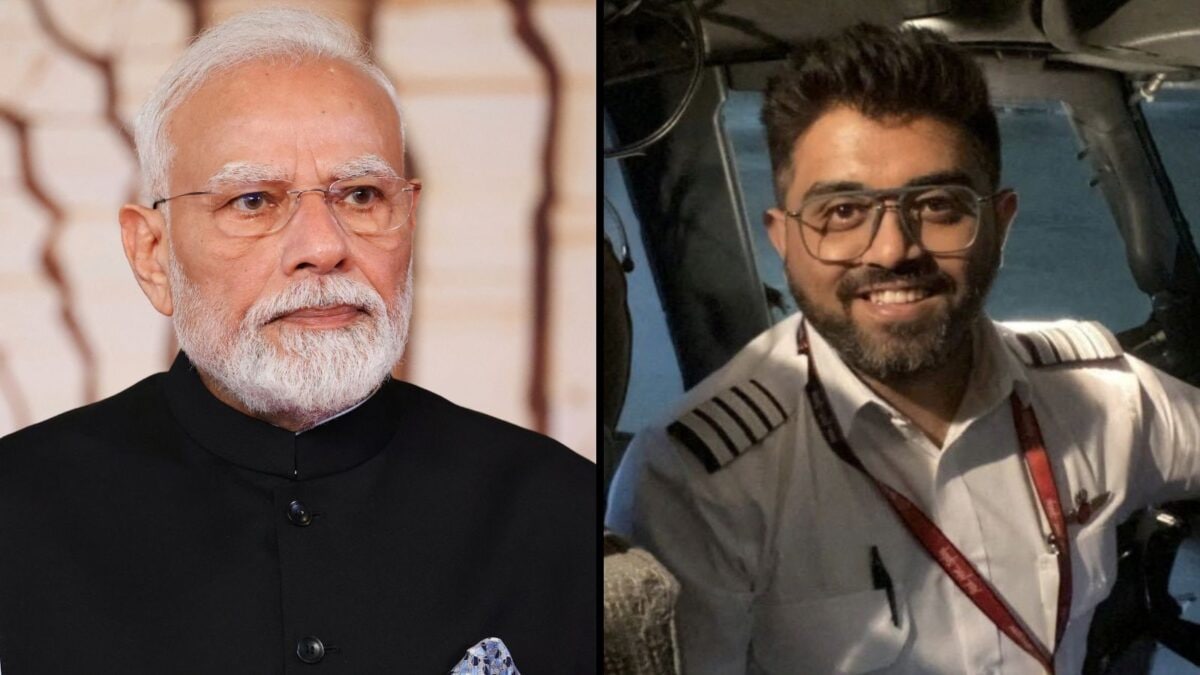
Prime Minister Narendra Modi recently used the heroic actions of Captain Smit Machchhar as a powerful metaphor for India’s growing global stature and industrial ambition. By linking the individual bravery of an Indian pilot to the nation’s broader quest for manufacturing self-reliance, the Prime Minister highlighted a future where India dominates both the skies and the factory floor. The core message is clear: while Indian talent is already recognized worldwide, the next phase of national progress focuses on indigenous production capabilities.
- Captain Smit Machchhar prevented a potential aerial catastrophe by surviving a cockpit attack.
- The incident serves as a symbolic bridge between Indian professional excellence and the Atmanirbhar Bharat initiative.
- India is scaling its aerospace sector, notably through the Tata-Airbus C295 project.
- Governmental strategy is now shifting toward making indigenous aircraft production a pillar of the national economy.
Background & Context (What Just Happened?)
On September 30, Flydubai flight FZ1073 experienced a mid-air crisis that could have easily resulted in a tragedy of historical proportions. While operating a flight from Dubai to Tel Aviv, Captain Smit Machchhar was attacked by his co-pilot inside the cockpit. Despite enduring significant physical trauma, the Indian captain demonstrated exceptional composure. By successfully opening the cockpit door and coordinating with passengers to secure the situation, he ensured the aircraft could land safely in Tabuk, Saudi Arabia. This event highlights the critical role of human intervention in modern aviation safety protocols.
Root Cause & Deep Dive Analysis (Why Did This Happen?)
The incident itself was a shocking anomaly in commercial flight operations, raising questions about crew mental health and cockpit security. However, for political leadership in New Delhi, the focus has pivoted toward national pride and the recognition of Indian professional standards. This follows the broader narrative of the Atmanirbhar Bharat (Self-Reliant India) movement, which seeks to reduce dependence on foreign imports across all sensitive sectors. The praise directed at Captain Machchhar serves as a soft-power campaign, emphasizing that India is a source of highly skilled, reliable, and courageous human capital.
Strategic Implications & Future Impact (What Does This Mean Globally?)
The transition from exporting talent to exporting high-tech manufacturing is the primary challenge for the Indian government. The Tata-Airbus C295 program is the cornerstone of this vision. By establishing a final assembly line in Vadodara, India is not merely acting as a consumer of global technology but as a participant in the supply chain. With over 13,000 components slated for local production, the nation aims to create a robust ecosystem that supports civilian and military aviation. As noted in other defense and aviation updates, the ability to maintain independent production lines is essential for long-term national security and economic growth.
Conclusion & What to Watch Next
PM Modi’s vision sets a lofty goal for the coming decades. If India successfully scales its aircraft production to match the global reputation of its pilots, it will mark a significant shift in the global aerospace landscape. Observers should watch for the rollout of the first fully indigenous C295 aircraft in September 2026, as this will be the definitive test of India’s manufacturing maturity. As the nation continues to expand its technological footprint, the world will likely keep talking, first about our people, and eventually, about our machines.