
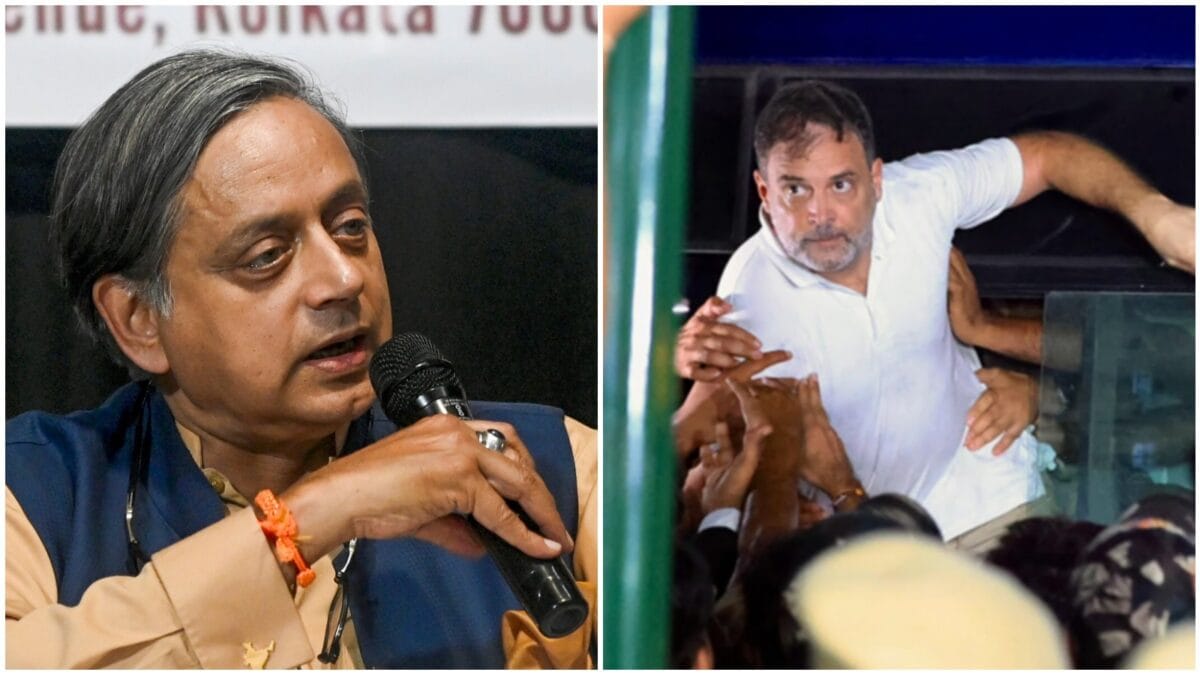
‘Horrified, Disgraceful’: Tharoor Condemns Govt Over Rahul Gandhi’s Detention At EC March
Introduction & Key Takeaways
The recent detention of Leader of the Opposition Rahul Gandhi and other senior Congress party members during a protest in New Delhi marks a significant escalation in the ongoing friction between the legislative opposition and the current executive framework. The event has triggered a wave of condemnation, most notably from senior Congress leader Shashi Tharoor, who labeled the government response as disgraceful. This Rahul Gandhi detention incident is not an isolated affair but rather a symptom of deeper structural anxieties regarding electoral integrity and the democratic process in India.
- The protest centered on alleged irregularities in electoral rolls and the Special Intensive Revision process.
- Key political figures, including Priyanka Gandhi Vadra, were detained for several hours before their eventual release.
- The incident reflects a broader push by the INDIA bloc to demand institutional accountability from the Election Commission.
- Global and national observers are scrutinizing this move as a critical test for freedom of assembly and political expression.
Background & Context (What Just Happened?)
The sequence of events unfolded when members of the opposition attempted a march from the Parliament complex to the Election Commission of India (ECI) headquarters. They intended to formally raise concerns over what they describe as widespread electoral disenfranchisement. The government prevented the movement, leading to an eight-hour sit-in at Akashvani Bhawan. Images of the Leader of the Opposition being physically escorted away by security personnel circulated rapidly, creating an immediate political firestorm. While Shashi Tharoor was attending a conference in Berlin, he issued a strong statement via social media, aligning himself with the protesters and framing their actions as a defense of the constitutional rights of 130 million voters.
Root Cause & Deep Dive Analysis (Why Did This Happen?)
To understand the depth of this tension, one must look at the historical precedents for civil unrest. Similar to the protests seen globally, the Indian political landscape is currently characterized by high-stakes disagreements over institutional transparency. The specific catalyst for the recent unrest is the alleged manipulation of the electoral rolls. The opposition claims that the Special Intensive Revision process has unfairly removed millions of voters from the records, effectively skewing the electorate to favor the incumbent administration.
Critics of the government, including Tharoor, argue that the state is utilizing administrative tools to suppress dissent. This follows a pattern where the Election Commission finds itself at the center of political controversy. For further context on how political tensions manifest in institutional disputes, read more about previous similar confrontations involving opposition leaders and election authorities.
Strategic Implications & Future Impact (What Does This Mean Globally?)
The strategic ramifications of the Rahul Gandhi detention are far-reaching. By positioning themselves as the sole defenders of voter rights, the Congress party aims to mobilize a demographic that feels excluded by the current digital and physical administrative shifts. Internationally, this creates a narrative of democratic backsliding, which can impact foreign policy perception and bilateral relations. Governments globally are closely watching how the Indian state balances national security measures with the fundamental right to protest. If the government continues to rely on detention tactics, the narrative of a shrinking democratic space may solidify, potentially alienating moderate voters and drawing scrutiny from international observers who monitor human rights and civil liberties.
Conclusion & What to Watch Next
The situation remains fluid. While the leaders involved in the Rahul Gandhi detention were released late in the evening, the core grievance regarding electoral transparency remains unresolved. The opposition has signaled that they will continue to hold the Chief Election Commissioner accountable for the alleged vote theft. Observers should monitor whether the Election Commission initiates an independent audit of the electoral rolls to assuage these concerns or if it opts to maintain a firm stance against the opposition’s pressure. Ultimately, the stability of India’s electoral machinery will be defined by its ability to act as an impartial referee in an increasingly polarized, yet highly energized, political climate.