
‘You Can Guess Who They Are’: Musk Claims ‘Certain Oligarchs’ Blocking Starlink In India
Introduction & Key Takeaways
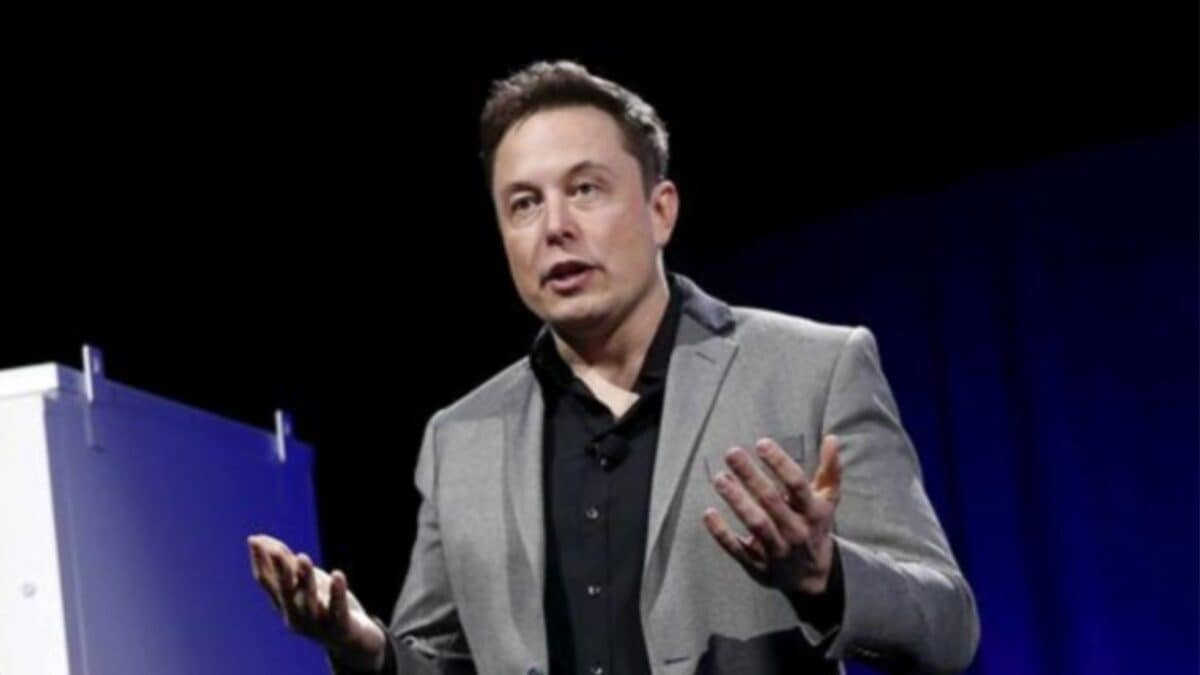
Elon Musk has reignited intense debate regarding digital accessibility in South Asia by alleging that Starlink is being actively blocked by local corporate entities. In a bold assertion, the SpaceX CEO declared that his satellite internet venture is being stifled by “certain oligarchs” who seek to maintain a monopolistic chokehold on the Indian telecommunications market. This controversy highlights the friction between cutting edge satellite technology and entrenched terrestrial providers. As the nation pushes toward total digital inclusion, this conflict invites scrutiny over regulatory hurdles, corporate competition, and the actual reach of existing infrastructure.
- Elon Musk alleges that unnamed industry players are obstructing Starlink in India.
- The discourse follows reports that over 11,000 Indian villages still lack basic 4G connectivity.
- Government efforts, such as BharatNet, have faced challenges in ensuring operational service in rural regions.
- The debate underscores the growing importance of low earth orbit satellite constellations in the global digital landscape.
Background & Context (What Just Happened?)
The situation surfaced when Musk replied to a post on his social media platform, X, which outlined the ongoing struggle for connectivity in rural India. The original post, shared by a handle known as DodgeDesigner, used data to illustrate that despite massive infrastructure spending, significant gaps remain. As of May 2026, over 11,000 villages remained outside the reach of 4G networks. While some government initiatives like BharatNet have made progress, the transition from “service-ready” status to actually providing an operational connection remains a bottleneck. For more background on how rural citizens mobilize during periods of administrative or corporate friction, it is worth examining broader social unrest cases.
Root Cause & Deep Dive Analysis (Why Did This Happen?)
The tension surrounding Starlink in India stems from a clash between legacy telecom giants and disruptive technology. Traditional telecommunications companies often view satellite-based high speed internet as a direct threat to their capital intensive investments in fiber optic and cellular towers. By controlling the spectrum and the local regulatory environment, these companies can often create administrative delays that effectively stall competitors. Musk, known for his adversarial relationship with bureaucratic processes, characterizes this as an abuse of power. This mirrors historical trends where market incumbents seek to protect their margins against technological advancements that decentralize service delivery.
Furthermore, the data cited by supporters of satellite expansion paints a stark picture. With less than 5 percent of Indian internet subscriptions utilizing wired connections as of early 2026, the reliance on mobile data is overwhelming. The “oligarch” rhetoric from Musk points to the high concentration of market power within a small group of entities. This, in turn, impacts policy decisions regarding spectrum allocation and licensing fees, which are vital for a company like SpaceX to launch their services legally and effectively.
Strategic Implications & Future Impact
The global race for satellite internet dominance is more than just about providing Wi-Fi to remote locations. It is a fundamental shift in geopolitical power. Nations that successfully integrate satellite constellations into their digital grids gain significant economic and defensive advantages. If India continues to restrict entry for such services, it risks falling behind in the global digital divide index. The ongoing discourse regarding technological sovereignty versus market liberalization will likely define India’s economic trajectory for the next decade.
Moreover, the potential for such technology is vast. From remote education and disaster response to precision agriculture, the benefits of reliable, satellite-driven connectivity are transformative. If regulatory bodies prioritize competition, it could catalyze a rapid expansion of the digital economy. However, if the status quo remains, the cost to the average consumer may stay artificially inflated, and rural growth will remain constrained.
Conclusion & What to Watch Next
The accusation by Musk is more than a simple business grievance; it is a signal that the next frontier of competition is in the skies above. The Indian government faces a delicate balancing act. It must foster a fair playing field that encourages innovation while ensuring that established infrastructure providers are not unfairly marginalized. Observers should keep a close watch on future spectrum auctions and licensing decisions made by the Department of Telecommunications. The battle for the Indian digital market is far from over, and it may serve as a blueprint for how other nations negotiate the arrival of space-age connectivity in the coming years.