
Who is Dov Lando, the Israeli rabbi criticising Zionism?
Introduction & Key Takeaways
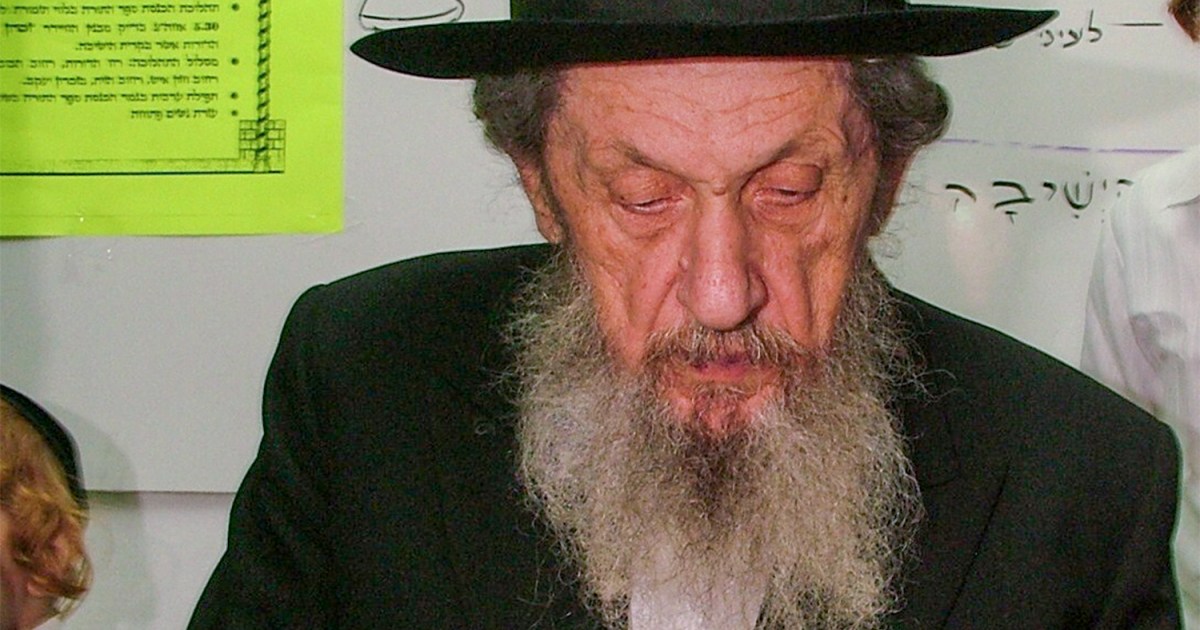
The political landscape in Israel is currently in a state of high tension as the nation approaches its upcoming legislative elections. At the center of this firestorm is Rabbi Dov Lando, a 96-year-old spiritual leader who has openly questioned the fundamental tenets of the state. His recent controversial remarks regarding Dov Lando and his anti-Zionist sentiments have sent shockwaves through the Knesset and the broader Israeli public.
- Dov Lando is the spiritual leader of the Degel HaTorah party, a key coalition partner for Prime Minister Benjamin Netanyahu.
- The rabbi publicly declared that Zionism has resulted in spiritual and physical disasters for the Jewish people.
- The ongoing controversy highlights a deep rift within Israeli society regarding military conscription and the role of secular versus religious governance.
- Netanyahu faces a critical strategic dilemma: maintain his coalition stability or alienate voters by failing to address the rabbi’s rhetoric.
Background & Context (What Just Happened?)
Earlier this week, a video recording surfaced featuring Rabbi Lando, the head of a prominent yeshiva in Bnei Brak, characterizing Zionism as a catastrophic ideology. This is not the first time the rabbi has expressed skepticism toward the state, but the timing is particularly volatile. As Israel prepares for elections scheduled for late October, the internal dynamics of the governing coalition are under intense scrutiny. The rabbi, an esteemed member of the Moetzes Gedolei HaTorah council, exerts massive influence over the ultra-Orthodox electorate. His assertions suggest that the state, rather than providing safety, has historically attracted enmity and conflict for Jewish populations globally.
Root Cause & Deep Dive Analysis (Why Did This Happen?)
The philosophical divide between Haredi (ultra-Orthodox) communities and the Zionist project is historical. Many segments of the ultra-Orthodox world maintain a theological view that the re-establishment of Jewish sovereignty should only occur with the coming of the Messiah. Consequently, Dov Lando represents a strain of thought that perceives the modern State of Israel as a construct of secular apostasy. When the rabbi criticizes the military, specifically targeting soldiers who align with Religious Zionism, he is pointing to a wider friction over who constitutes the true protector and moral authority of the people. Haredi Judaism often prioritizes Torah study over state-sanctioned military service, a position that clashes directly with the national security requirements emphasized by the current government.
Strategic Implications & Future Impact
The political cost for Prime Minister Netanyahu is substantial. With his coalition currently polling below the necessary majority, the United Torah Judaism (UTJ) alliance—which draws support from the rabbi—is indispensable. Netanyahu finds himself in a precarious position. He must balance the need for religious party support with the optics of being seen as soft on critics of national identity. As discussed in our previous coverage of the election climate, the electorate is deeply divided. If the Prime Minister condemns the remarks too harshly, he risks losing the backing of his coalition partners. If he remains silent, the opposition will leverage the comments to frame him as a leader who lacks true allegiance to the core values of the nation.
Conclusion & What to Watch Next
The fallout from the statements made by Dov Lando will likely dominate the final weeks of the election campaign. Observers are watching for further reactions from the opposition, which is eager to turn this into a liability for the right-wing bloc. The tension surrounding mandatory military enlistment will continue to be a primary flashpoint, acting as a proxy for the larger ideological struggle. Whether this controversy shifts the polling numbers significantly remains to be seen, but it has undoubtedly exposed the fragile nature of the current governmental structure. For voters, the choice in October will reflect not just policy preferences, but their fundamental vision for the identity of Israel.