
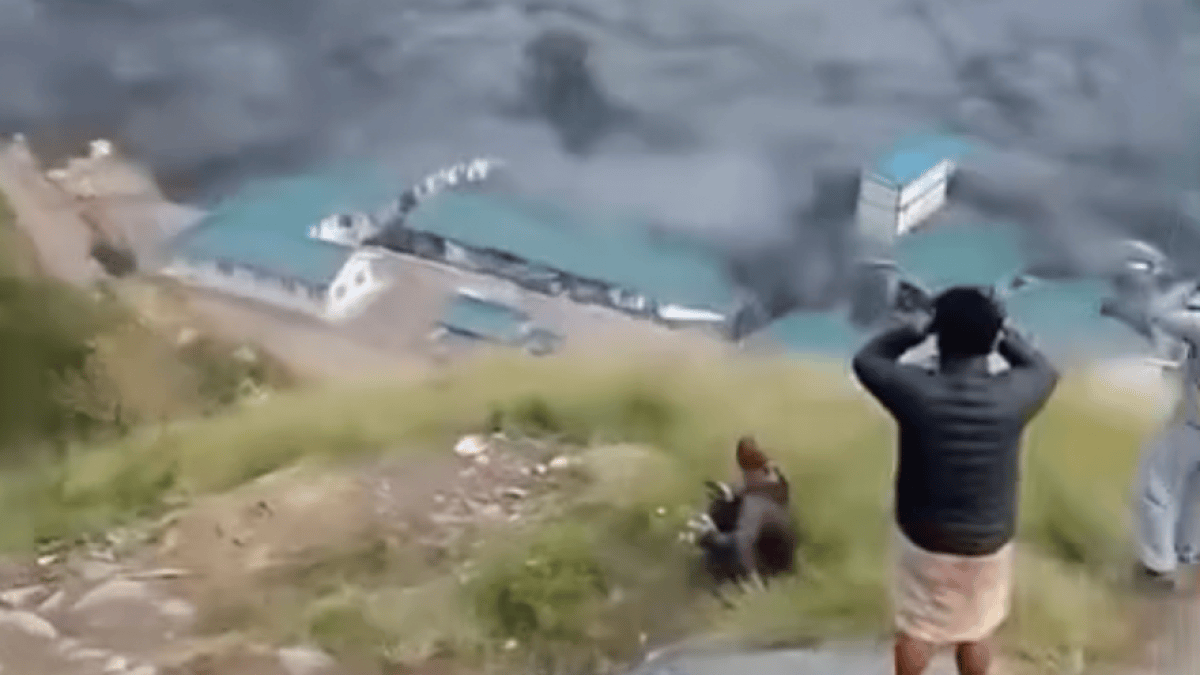
Flash flood sweeps away buildings in Nepal
Introduction and Key Takeaways
The recent Nepal flash flood event has once again highlighted the extreme vulnerability of Himalayan nations to the accelerating impacts of climate change. On Sunday, a devastating deluge along the Budhi Gandaki river in the Gorkha district demolished homes, destroyed critical infrastructure, and swept away bridges, leaving local communities in a state of shock. This incident is not merely an isolated natural disaster but a poignant indicator of how fragile mountain geography reacts to sudden meteorological shifts.
- The Nepal flash flood was precipitated by a landslide that blocked water flow, subsequently triggering catastrophic downstream surges.
- Key infrastructure, including residential housing and vital transit bridges, suffered total destruction.
- The event serves as a warning regarding the increasing frequency of extreme weather events in fragile highland ecosystems.
Background and Context
Nepal, a nation defined by its rugged topography and complex river networks, frequently faces seasonal environmental challenges. The geography of the Gorkha district, known for its steep gradients and proximity to major river basins, creates a high-risk environment for hydrometeorological disasters. When heavy rainfall events occur, they often destabilize soil composition on steep slopes. According to official geological records, these mountains are young and seismically active, making them prone to mass movement events even without the intervention of extreme weather. In this specific case, a large landslide acted as a temporary dam. Once the pressure reached a critical threshold, the impounded water broke through, sending a lethal wall of debris and mud toward human settlements.
Root Cause and Deep Dive Analysis
Why does a Nepal flash flood carry such devastating potential in the modern era? The root causes are twofold: geophysical instability and anthropogenic pressure. Climate change is altering the monsoon patterns in South Asia, leading to more concentrated bursts of intense rainfall that the mountain landscape cannot effectively absorb. As forests are cleared for agricultural expansion or road construction, the natural soil stabilization provided by root systems is stripped away. This makes slopes increasingly susceptible to landslides during high-intensity storms. Furthermore, the practice of constructing residential buildings in river floodplains, often out of necessity, ensures that when a geological trigger occurs, the human cost is catastrophic. The interaction between climate-driven precipitation patterns and human encroachment into vulnerable riverbanks is a classic recipe for disaster.
Strategic Implications and Future Impact
The strategic implications for Nepal and the wider Himalayan region are profound. As extreme weather becomes the norm, the economic burden of rebuilding destroyed infrastructure will continue to strain national budgets. Governments must prioritize investment in early warning systems and sustainable land-use planning to mitigate risks. Furthermore, there is a growing need for international cooperation regarding data sharing on meteorological trends. The latest updates on regional stability often show how disasters can disrupt supply chains and local economies, necessitating a more robust approach to disaster risk reduction. The international community should view the Nepal flash flood as a clear case study for the urgent implementation of nature-based solutions, such as reforestation and bio-engineering, to stabilize vulnerable slopes against impending future threats.
Conclusion and What to Watch Next
The tragedy in Gorkha district is a solemn reminder that the physical environment is shifting faster than our current defensive mechanisms can adapt. Moving forward, observers should monitor two primary areas. First, how the government of Nepal allocates emergency funds for the relocation of vulnerable populations living in high-risk zones. Second, whether regional infrastructure projects will incorporate more resilient engineering standards to survive the increasing severity of seasonal flooding. The world is watching, and the resilience of these mountain communities will define the long-term viability of high-altitude living in an era of climate crisis.