
Flights From Keralam To Saudi Arabia, Qatar Cancelled After Deadly Houthi Strike On Riyadh Airport
Introduction & Key Takeaways
The recent Houthi strike on Riyadh International Airport has sent shockwaves through global aviation, resulting in the immediate disruption of critical transit routes. For travelers in southern India, this has manifested as a series of grounded services, with the recent Houthi strike forcing the cancellation of at least 13 flights from Kochi and Calicut airports. This situation highlights the fragile nature of international travel corridors when subjected to regional geopolitical volatility.
Key takeaways for affected passengers include:
- A total of 13 flights connecting Kerala to Saudi Arabia, Qatar, and the UAE have been impacted between October 11 and 13.
- The cancellations are a direct safety response to the security breach at Riyadh’s primary aviation hub.
- Travelers are strongly advised to verify their flight status with airlines before heading to airports to avoid unnecessary congestion.
Background & Context (What Just Happened?)
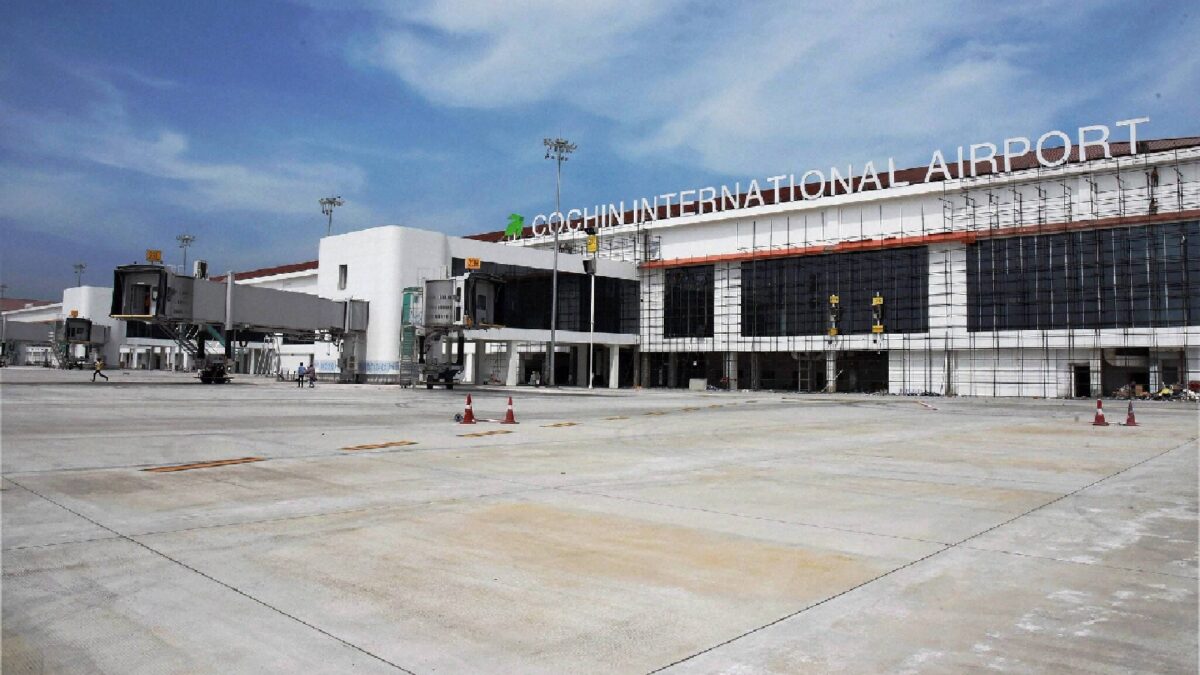
The aviation sector in Keralam, which heavily relies on connectivity to the Gulf Cooperation Council (GCC) nations for migrant labor and tourism, was caught off guard this past Sunday. According to officials at the Cochin International Airport Limited (CIAL), the decision to halt services was not an isolated administrative move but a mandatory safety precaution. The volatile regional landscape in West Asia has long been a concern, but the direct targeting of civilian airport infrastructure marks a significant escalation. With multiple carriers, including Akasa Air and Flynas, grounding their fleets for safety, thousands of passengers have been left in limbo, necessitating rapid re-evaluations of travel plans.
Root Cause & Deep Dive Analysis (Why Did This Happen?)
The Houthi strike is symptomatic of the ongoing power struggles within the Middle East, often fueled by regional rivalries and complex proxy conflicts. By targeting high-profile civilian infrastructure, such as major international airports, non-state actors aim to project power and cripple economic activity. The disruption in Keralam is essentially a secondary impact of this larger, systemic instability. When an international hub like Riyadh faces a security threat, the ripple effect on global flight paths is instantaneous. Airlines are contractually and ethically obligated to prioritize passenger safety over schedule maintenance, leading to the preemptive cancellations seen at both Kochi and Calicut airports.
Strategic Implications & Future Impact (What Does This Mean Globally?)
This incident serves as a stark reminder of how regional conflicts can have a localized economic impact thousands of miles away. Keralam, which shares deep socio-economic ties with the Gulf, feels these tremors more acutely than most other regions in India. The strategic implications are twofold. First, international insurers may raise premiums for carriers operating in or near conflict-sensitive zones, potentially driving up ticket prices for everyday commuters. Second, nations may need to diversify flight paths or invest in more robust regional security dialogues to prevent the total isolation of key economic hubs. As we move forward, the aviation industry will likely face increased scrutiny regarding its reliance on routes that pass through, or terminate in, zones of active armed conflict. For further insights on how such trends affect broader connectivity, you can review our latest in-depth analyses on global logistics.
Conclusion & What to Watch Next
The situation remains fluid. Airport authorities are currently monitoring real-time intelligence to determine when it will be safe to resume standard operations. While temporary, the current Houthi strike fallout serves as a strategic lesson in crisis management for aviation stakeholders and individual travelers alike. Moving forward, observers should watch for potential shifts in air corridors and any updates regarding diplomatic efforts to de-escalate tensions in the region. Passengers are advised to remain vigilant, keep updated via airline applications, and remain flexible as the situation stabilizes.