
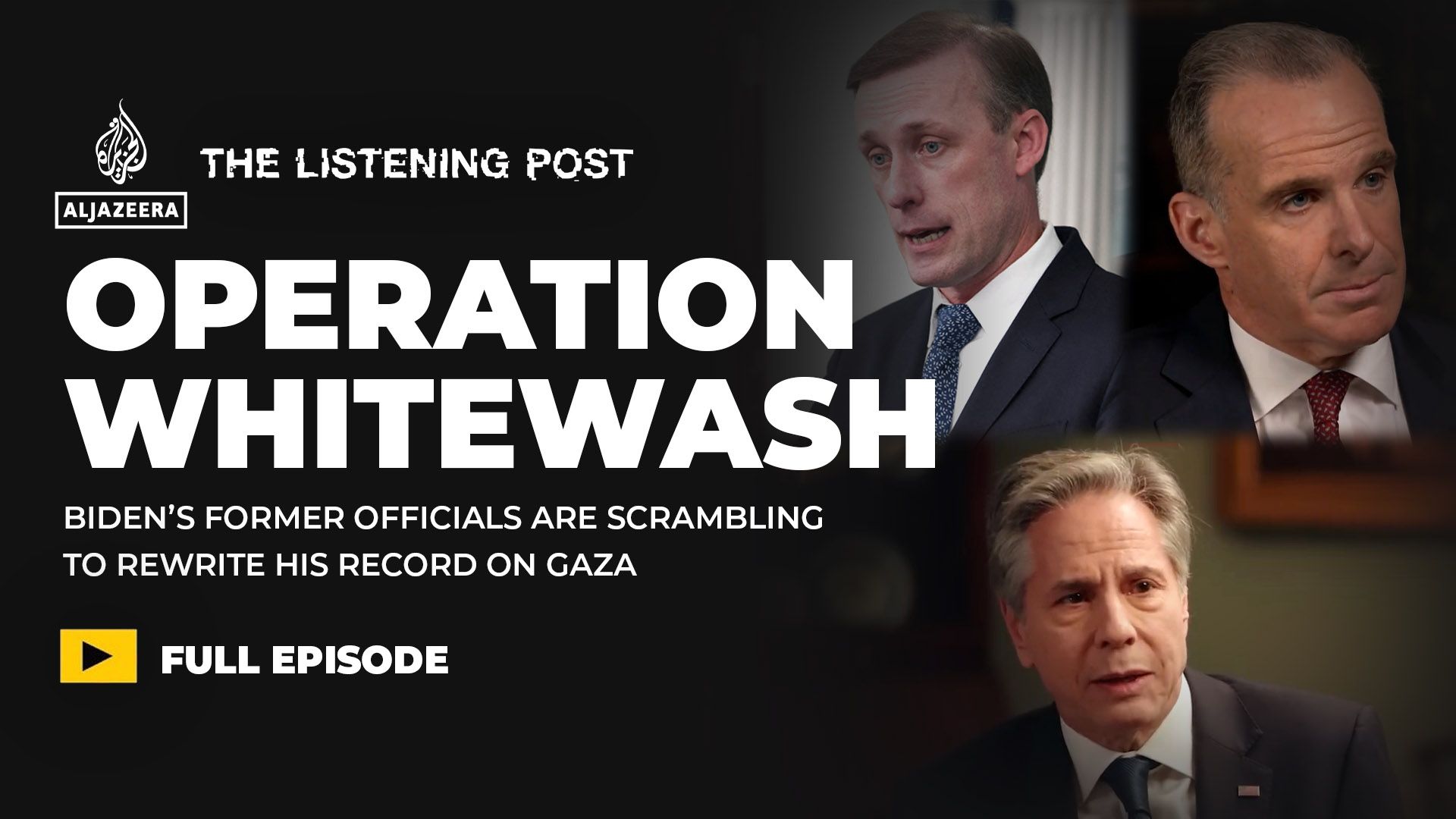
The scramble to rewrite Biden’s record on Gaza
Introduction & Key Takeaways
Three years after the tragic events of October 7, a distinct pattern has emerged in the American political and media landscape. Former officials from the Biden administration are currently engaged in a concerted effort to rewrite the Biden Gaza record, utilizing memoirs, podcasts, and high-profile media appearances to rehabilitate their professional legacies. This article explores how this revisionist history is being constructed and why it poses a significant challenge to objective journalistic inquiry. Key takeaways include:
- Mainstream media platforms are disproportionately favoring former officials who support the status quo.
- Critical voices and independent analysts face systemic barriers to entry and limited access.
- The rehabilitation of administrative reputations is a strategic response to the moral and geopolitical failures associated with the conflict.
- Media concentration, highlighted by massive industry deals such as the Skydance and Warner Bros Discovery merger, continues to consolidate the dominant political narrative.
Background & Context (What Just Happened?)
The aftermath of the conflict in Gaza has triggered a surge in retrospective narratives. Following the events that began in late 2023, the Biden administration faced intense scrutiny regarding its military and diplomatic support for Israel. Now, three years later, the public is witnessing a wave of content designed to frame these decisions in a more favorable, state-aligned light. This phenomenon is not merely an academic exercise, but a calculated push to shape the historical consensus before it becomes set in stone. As examined in our previous coverage regarding The Listening Post, the media often acts as a gatekeeper for these specific, curated narratives.
Root Cause & Deep Dive Analysis (Why Did This Happen?)
The drive to rewrite the Biden Gaza record is rooted in the instinct for institutional self-preservation. Officials who oversaw policies that resulted in significant humanitarian crises often seek to distance themselves from the long-term consequences of those choices. By framing their involvement as necessary, measured, or externally forced, they attempt to salvage their credibility for future roles in policy, consulting, or corporate spheres. This process is exacerbated by an entrenched media environment that prioritizes official sources over grassroots or critical documentation. Furthermore, the homogenization of news ownership, exemplified by the recent consolidation of major studios and news outlets, ensures that only those who adhere to established frameworks receive the necessary distribution to influence public perception. This creates a feedback loop where critical perspectives are sidelined, effectively muting dissent and rewarding those who maintain alignment with power structures.
Strategic Implications & Future Impact (What Does This Mean Globally?)
The strategic implications of this narrative management are profound. When history is written by the very individuals responsible for its most controversial chapters, the public loses the ability to hold power accountable. This normalization of past actions sets a dangerous precedent for future interventions. If the narrative successfully shifts toward a narrative of administrative benevolence, the moral cost of the conflict is erased from the national consciousness. Furthermore, the disproportionate media attention directed at figures like Nigel Farage or the shifting dynamics of global media conglomerates suggest that news cycles are increasingly managed rather than reported. The future impact of this trend is a potential degradation of democratic discourse, where the line between public relations and investigative journalism becomes permanently blurred.
Conclusion & What to Watch Next
The ongoing efforts to polish the legacy of the Biden administration regarding Gaza reflect a broader struggle for the soul of political accountability in the digital age. As more memoirs and retrospective media projects emerge, observers must remain vigilant about the provenance of these claims. It is essential to seek out independent analysis that challenges the sanitized versions of events promoted by those in power. Moving forward, the focus must shift to how independent outlets can break through these consolidated barriers. What we watch next will not just be the evolution of foreign policy, but the health of the media ecosystems tasked with reporting on it. Staying informed requires a critical lens, especially when official accounts of history are so actively being refined to serve political utility.