
Trump’s ‘energy ceasefire’ claim welcomed by Zelensky but Russia silent
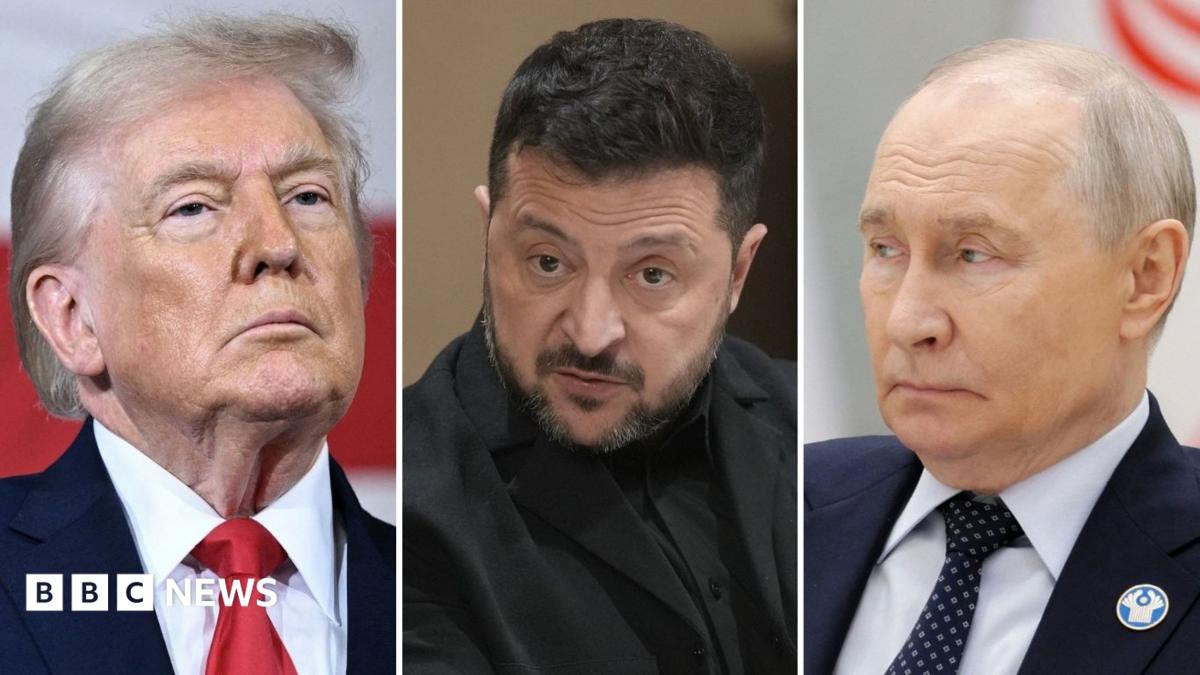
Introduction & Key Takeaways
President Donald Trump recently announced an energy ceasefire between Russia and Ukraine, claiming it was effective immediately. This development, while potentially stabilizing global fuel markets, has introduced significant geopolitical friction. The move follows a controversial agreement to allow Russian diesel imports into the United States, an effort seemingly designed to mitigate domestic inflationary pressures before the upcoming midterm elections.
- The energy ceasefire remains unconfirmed by Moscow, casting doubt on its long-term viability.
- Domestic US politics are heavily influencing foreign policy, particularly concerning energy sanctions.
- The deal risks alienating key Western allies who remain committed to a strict sanctions regime against Russia.
- Ukraine faces a precarious situation, balancing its military need to strike Russian infrastructure against international pressure to maintain energy flow.
Background & Context
The geopolitical landscape of the Russo-Ukrainian War has shifted into a complex economic battle. For months, the US has grappled with high fuel prices, exacerbated by regional conflicts that have disrupted global supply chains. President Trump, aiming to stabilize his standing with American voters, orchestrated a temporary easing of sanctions to permit Russian diesel to enter the global market. This maneuver is widely perceived as a tactical response to the economic stagnation linked to persistent inflation. When the President declared an energy ceasefire, the international community reacted with a mixture of cautious optimism and stark skepticism.
Root Cause & Deep Dive Analysis
Why did this energy ceasefire emerge now? The core driver appears to be domestic economic instability within the United States. High pump prices have become a primary political liability for the current administration. By incentivizing a trade-off where Russia maintains its energy exports in exchange for a temporary cessation of Ukrainian strikes on its refineries, the US hopes to dampen the volatility in the diesel market. However, this creates a profound disconnect. While the White House prioritizes price stability, officials in Kyiv view their strikes on Russian energy infrastructure as a existential necessity. These attacks are not merely military operations, they are financial sieges designed to cripple the revenue streams that sustain the Russian war effort.
Furthermore, the internal legislative response in Washington has been swift. A bipartisan group of senators has voiced strong opposition, arguing that the deal contradicts existing federal law. This domestic resistance highlights the broader struggle to balance economic exigency with ideological commitment. For more on the internal tensions regarding this administration’s policies, read our previous coverage regarding the initial diesel agreement.
Strategic Implications & Future Impact
The global energy ceasefire has deeper, long-term implications for the architecture of international security. By facilitating the sale of Russian energy, the current US strategy risks eroding the collective leverage that Western nations have built over the last four years. If the precedent is set that energy flows can be exempt from broader strategic containment, the effectiveness of future sanctions will be diminished. Moreover, the public criticism directed toward President Zelensky by the US administration suggests a widening rift in the coalition. This tension may embolden adversaries who observe a lack of total alignment between the US and its allies. As the war continues, the challenge remains: how can a nation maintain domestic stability without sacrificing its long-term strategic objectives?
Conclusion & What to Watch Next
As the situation unfolds, observers must monitor the actual activity at energy facilities within both nations. Promises of a truce are often undermined by tactical realities on the ground. Should the energy ceasefire crumble under the weight of renewed shelling, the Biden-era sanctions regime may return with even greater rigidity. For now, the world watches to see if this diplomatic gamble will yield lower prices or merely exacerbate the fractures within the transatlantic alliance. The resilience of the current administration’s foreign policy will be tested by these competing economic and military realities in the weeks ahead.