
Three children and teacher killed in US primary school shooting
Introduction and Key Takeaways
The tragic events at Silver Rail Elementary School in Bend, Oregon, have sent shockwaves across the United States. A 16-year-old assailant breached the facility, claiming the lives of three children and a teacher. This horrific Oregon school shooting underscores the escalating fragility of institutional security in an era defined by persistent gun violence. As communities struggle to process this loss, policymakers are once again confronted with the immense difficulty of balancing student safety with the realities of open public spaces. Key takeaways include:
- A 16-year-old suspect, identified by local law enforcement, carried out the attack before being neutralized by an armed bystander.
- The incident has reignited national debates regarding school security infrastructure and the efficacy of rapid response protocols.
- According to the K-12 School Shooting Database, this event reflects a broader, unsettling trend in American educational environments.
- The immediate intervention by a civilian suggests a complex interplay between community vigilance and the failure of existing security measures.
Background and Context: What Just Happened?
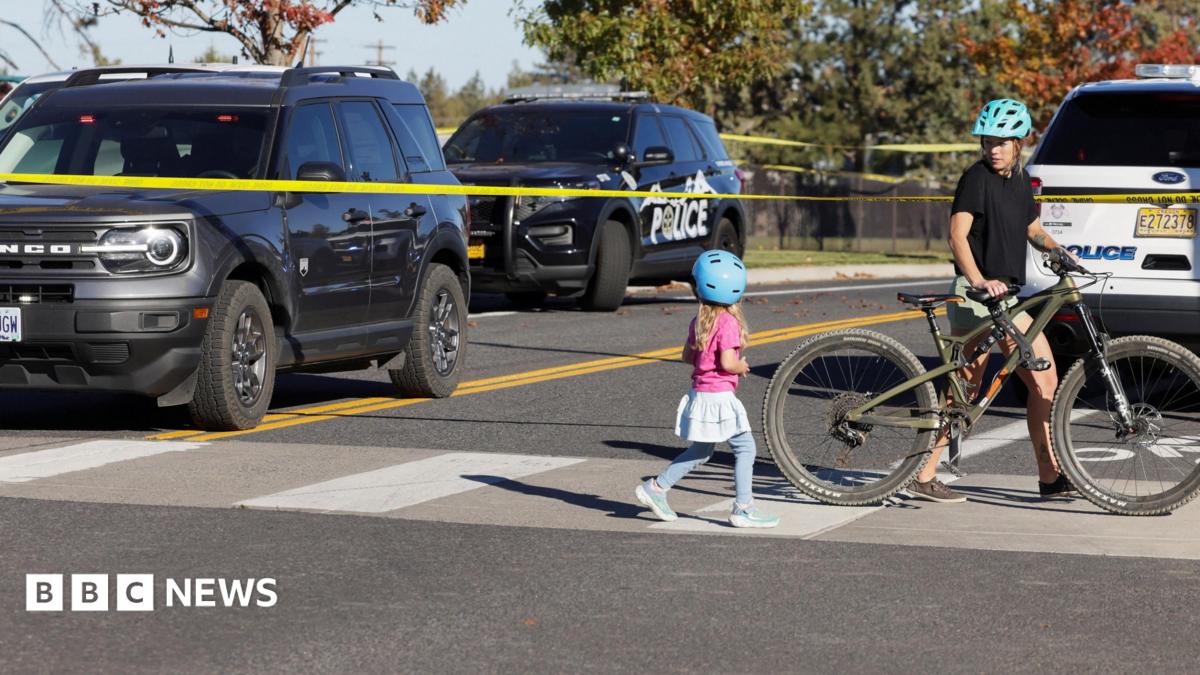
On a Thursday afternoon in Bend, Oregon, the atmosphere of normalcy at Silver Rail Elementary was shattered. Reports indicate the suspect began his assault outside the school, firing upon a vehicle before forcibly entering the building. By targeting entry points, the attacker bypassed initial safety perimeters, forcing a confrontation that law enforcement described as a chaotic and swift escalation. The local police chief confirmed that three children, aged five, eight, and 11, alongside a 54-year-old educator, were killed. Another child and teacher remain in critical condition. The incident, as detailed in recent reporting on public safety incidents, highlights the devastating speed at which localized violence can manifest in schools.
Root Cause and Deep Dive Analysis
Why did this happen? While investigators are still uncovering the suspect’s motives and potential ties to the school, the structural vulnerabilities remain a critical point of analysis. Modern educational facilities often implement advanced locking systems, yet these mechanisms cannot fully insulate schools from determined individuals armed with long guns. This specific instance illustrates that even when architectural safeguards are in place, the human element, such as a bystander willing to intervene, becomes the deciding factor between a tragedy and a mass casualty event. Sociologists point to the contagion effect of school shootings, where the notoriety associated with such acts can influence marginalized or radicalized youth, creating a cycle of violence that is increasingly difficult to preempt.
Strategic Implications and Future Impact
The Oregon school shooting brings the debate over domestic security to the forefront of the national political agenda. Beyond the immediate grief, the incident forces us to consider the long-term socioeconomic costs of maintaining high-security campuses. We are witnessing a shift toward the fortification of schools, which fundamentally alters the environment in which children learn. The reliance on civilian intervention in this case poses deep questions about the privatization of public safety and the risks associated with untrained individuals engaging in active-shooter scenarios. Moving forward, the pressure on the government to re-evaluate gun control laws, alongside the expansion of mental health support for adolescents, will likely intensify. The institutional inability to curb these statistics, which include hundreds of incidents annually, signals a systemic failure that continues to plague the American landscape.
Conclusion and What to Watch Next
As the community in Bend begins the long process of healing, the nation must watch for shifts in school safety legislation and the potential adoption of new emergency response policies. The identification of the attacker will be crucial for understanding if this was a preventable act of radicalization or a product of undetected mental health deterioration. Whether or not this Oregon school shooting serves as a catalyst for federal reform remains uncertain, but the frequency of these incidents suggests that without significant structural and social changes, the pattern of violence will persist.