
‘Bloody Shit’, ‘Stupid’: Senior IAS Officer’s Verbal Tirade Against Woman JKAS Officer Sparks Row
Introduction and Key Takeaways
A disturbing incident of workplace misconduct has emerged from the administrative corridors of Jammu and Kashmir. A senior bureaucrat is currently facing widespread backlash after a recording surfaced showing him using abusive language during a formal meeting. This IAS officer controversy has ignited a firestorm, highlighting the fragile relationship between senior administrators and their subordinates in the civil service. Key developments include:
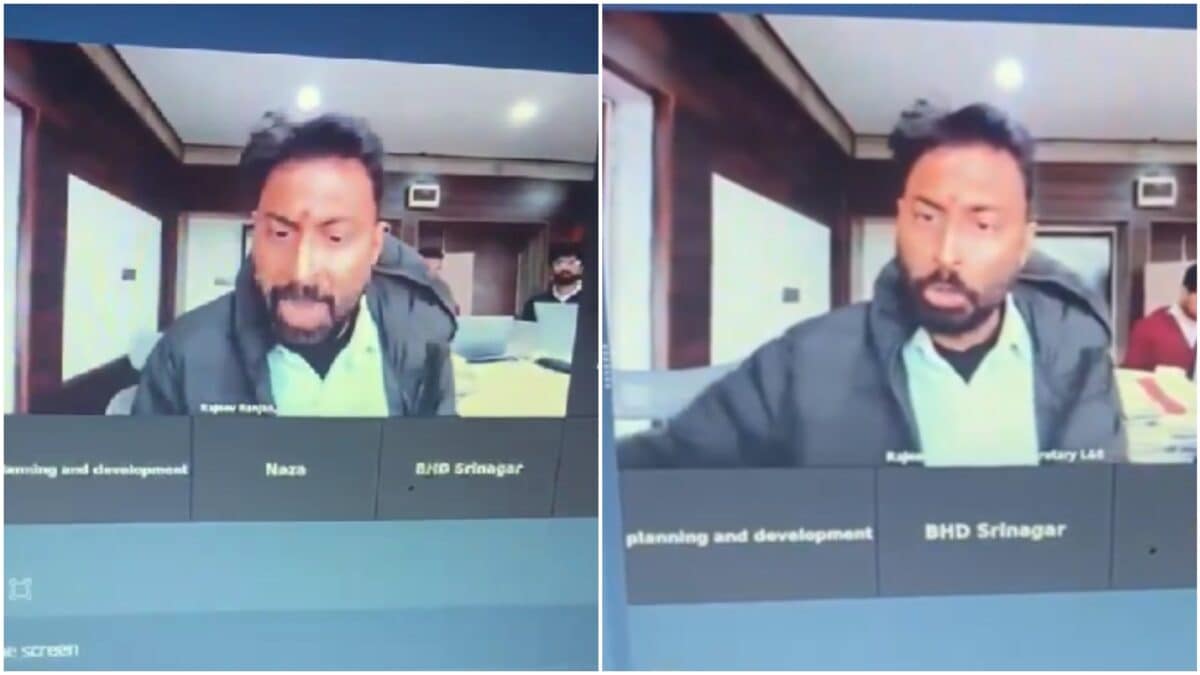
- A senior IAS officer allegedly abused a female JKAS colleague during a virtual review session.
- The officer in question threatened to force the dismissal of his subordinate during the live call.
- The JKAS fraternity has issued a formal demand for an impartial inquiry, refuting claims that the viral video was fabricated by artificial intelligence.
- The incident has drawn further attention to the officer, who is already under investigation in connection with separate legal matters.
Background and Context: What Just Happened?
The incident revolves around a review meeting regarding the National Rural Livelihood Mission (NRLM) and Mission YUVA. During the proceedings, Kumar Rajeev Ranjan, an Administrative Secretary, reportedly lost his composure while addressing Assistant Director Beenish Wani. According to the Indian Administrative Service, officers are expected to uphold the highest standards of decorum, yet the circulating footage captures the senior official interrupting Wani repeatedly before resorting to verbal hostility. When the subordinate attempted to clarify her position regarding agency operations, she was met with dismissive commands and derogatory labeling, marking a severe breach of professional etiquette.
Root Cause and Deep Dive Analysis
This IAS officer controversy is not merely a matter of a single outburst. It reflects deeper structural issues within the administrative hierarchy, where power dynamics are often weaponized to silence dissenting or alternative viewpoints. The fact that the senior officer threatened immediate suspension upon the slightest pushback suggests a culture of intimidation rather than constructive governance. When Wani challenged the behavior, the threat was codified, with the senior officer ordering the documentation of her responses for the General Administration Department. This move signifies an attempt to weaponize institutional procedures to protect his ego after an unprofessional display.
Furthermore, the subsequent attempt to label the viral recording as AI-generated is a concerning trend in contemporary crisis management. By delegitimizing evidence through claims of synthetic fabrication, the department risked alienating its own workforce. As noted in other protest-related administrative conflicts, such tactics often fail when internal witnesses and the victims themselves confirm the reality of the situation.
Strategic Implications and Future Impact
Globally, the perception of civil service integrity is vital for public trust. When leadership roles are occupied by individuals exhibiting volatile behavior, the entire governance structure faces a legitimacy crisis. This IAS officer controversy serves as a cautionary tale regarding the lack of checks and balances in regional administrative bodies. If such conduct remains unpunished, it risks creating a systemic environment where junior officers fear retribution, thereby stifling honest policy feedback and objective reporting. Additionally, the officer’s existing entanglements in a CBI investigation regarding arms license irregularities place him in a precarious position, potentially casting a shadow over the legitimacy of his current administrative decisions.
Conclusion and What to Watch Next
The road ahead for the Jammu and Kashmir administration is fraught with difficulty. The JKAS fraternity has been clear, demanding a public apology and a genuine, transparent inquiry. They are also seeking safeguards to ensure they are shielded from the potential wrath of their superiors. As observers, we must monitor the status of the requested inquiry. Will the administration uphold the dignity of the civil service by taking decisive disciplinary action, or will the status quo prevail? The incident also highlights the urgent need for a review of how internal administrative conflicts are handled to ensure that such instances of workplace harassment are not swept under the rug in the future.