
Which countries waste the most food, and how to reduce waste at home
Introduction & Key Takeaways
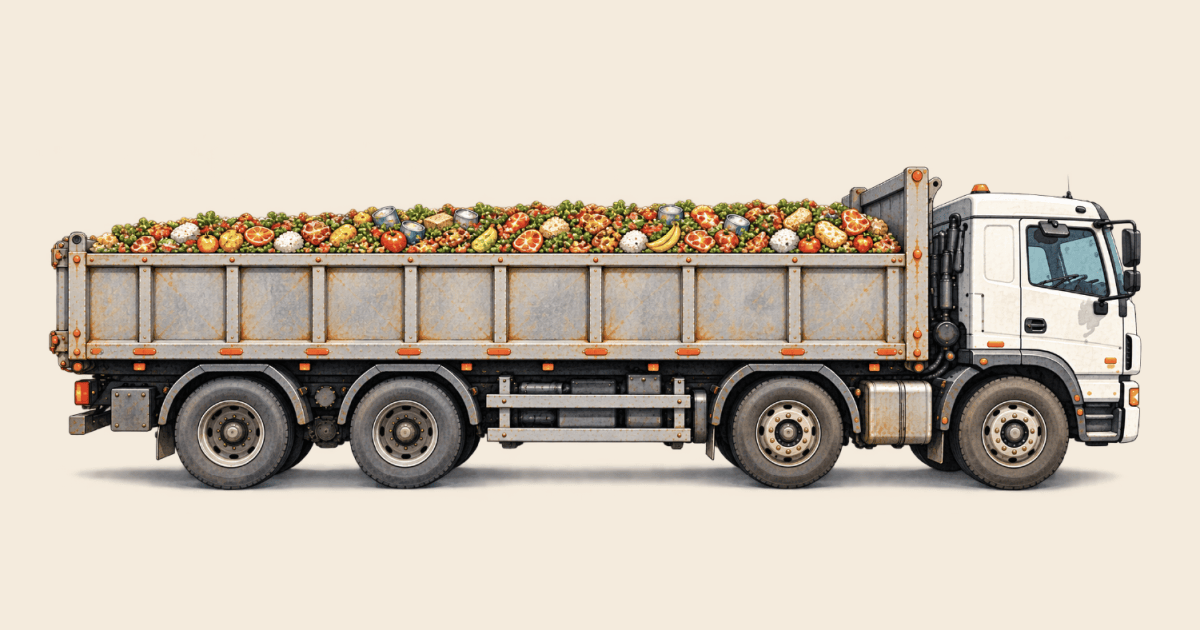
On this World Food Day, the global community faces a jarring paradox. While approximately 645 million people across the globe struggle with chronic hunger, our planet discards over a billion tonnes of edible food every single year. This Global Food Waste crisis is not merely a matter of individual negligence, but a systemic failure in our supply chain, logistics, and household consumption patterns. Understanding the scope of this issue is vital for sustainable development.
- Roughly one out of every five plates of food globally ends up as waste.
- The global economy incurs a staggering $1 trillion annual loss due to inefficient food management.
- Household consumption accounts for 60 percent of total food waste.
- Food loss contributes significantly to climate change, responsible for nearly 10 percent of all greenhouse gas emissions.
Background & Context
The observance of World Food Day, established by the Food and Agriculture Organization, highlights the urgent necessity of reforming our food systems. Despite a gradual decline in global hunger rates since the 2022 peak, the current numbers remain alarmingly higher than pre-pandemic levels. Regions such as sub-Saharan Africa carry the heaviest burden, where one in five people faces undernourishment. While policy discussions often focus on food production, the reality is that the logistical pathway from farm to table is riddled with inefficiencies that exacerbate regional food insecurity.
Root Cause & Deep Dive Analysis
Why does Global Food Waste persist on such a massive scale? The problem is multifaceted, occurring at distinct stages. Initial losses often happen due to inadequate storage, poor transportation infrastructure, and lack of refrigeration, particularly in developing economies. Conversely, in affluent nations, the issue is shifted toward retail and household habits. Consumer behavior, driven by over-purchasing and confusion regarding expiration labels, remains the primary culprit. As highlighted in recent reports on infrastructure and disaster management, systemic resilience is needed to ensure food safety and distribution, yet individual responsibility remains an overlooked lever for change.
Strategic Implications & Future Impact
The geopolitical and environmental implications of Global Food Waste are immense. When food is discarded, we are not just throwing away nutrients; we are wasting the vast amounts of water, land, and energy required for its production. With 1.4 billion hectares of land dedicated to crops that are never consumed, the agricultural footprint is unsustainable. If we continue on this trajectory, the stress on our climate will intensify, as rotting food in landfills releases potent methane gas, further accelerating global warming. Moving forward, countries must prioritize localized cold-chain storage and incentivize retailers to donate near-expiry goods, rather than sending them to landfills.
Conclusion & What to Watch Next
Reducing waste at home requires a shift in mindset. Simple actions, such as checking pantries before shopping, utilizing freezers effectively, and understanding the nuance between safety and quality labels, can collectively make a massive impact. As we look toward future policy frameworks, watch for international initiatives that attempt to standardize food labeling and provide grants for small-scale farmers to improve harvest preservation technology. The path to a nourished world depends on our ability to value every grain and leaf that reaches our kitchens.