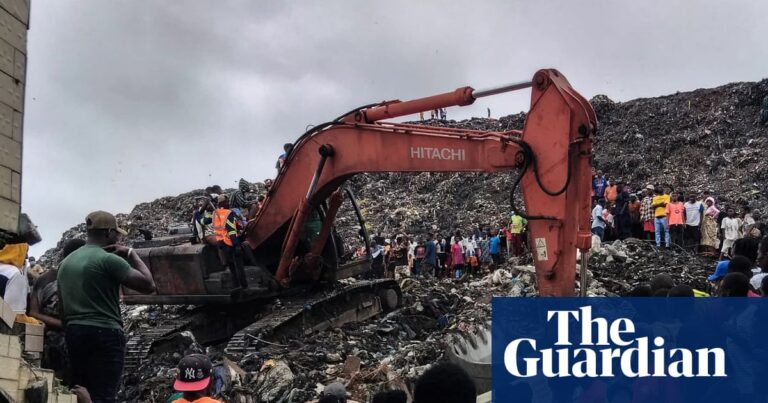
In the ravaged coastal town of La Guaira, a chilling hush falls over the twisted metal and pulverized concrete that was once a vibrant 12-storey apartment building. Rescuers, their faces grim, frantically signal for absolute silence. Vehicles cease movement. Voices quiet. Even the heavy diggers momentarily power down, their hydraulic sighs replaced by an unnerving quietude. Ears pressed to freshly drilled holes in the slab, torches probing the darkness, they strain to catch any glimmer of life from beneath the immense debris.
This agonizing tableau unfolds in one of the epicenters of last week’s cataclysmic twin tremors, a devastating Venezuela earthquake that has claimed at least 1,700 lives. Interim President Delcy Rodríguez has grimly dubbed it the nation’s “most brutal natural catastrophe.” Yet, amidst the profound grief and the monumental scale of destruction, a simmering rage is boiling over: residents are vociferously accusing the government of criminal negligence in its disaster response.
Anger Mounts Over Venezuela Earthquake Response
Miguel Oscar Nunez, a man etched with desperation, stands vigil beside the collapsed structure, his sole child, 34-year-old Angel, trapped somewhere within. His hope, a fragile thing, dwindles with each passing moment of silence from the rescuers. “My son, like hundreds of others, is trapped under the rubble,” Miguel declares, his voice cracking with a potent mix of sorrow and fury. “But we need more support from authorities urgently to dig them out. It’s possible that the earthquake has not killed him, but can you imagine if he is killed because of the negligence of the authorities?”
The sentiment is echoed by Kevin Montilla, whose wife and 16-year-old daughter were home when disaster struck. He criticizes a response he labels “frustrating and impotent,” noting that initial rescue efforts were carried out by community members alone, while police merely observed. Days, precious and irreplaceable, slipped away before official teams from Venezuela and Colombia, accompanied by vital machinery like diggers and cranes, finally arrived. This crucial delay has fueled the outcry regarding the government’s preparedness and immediate action.
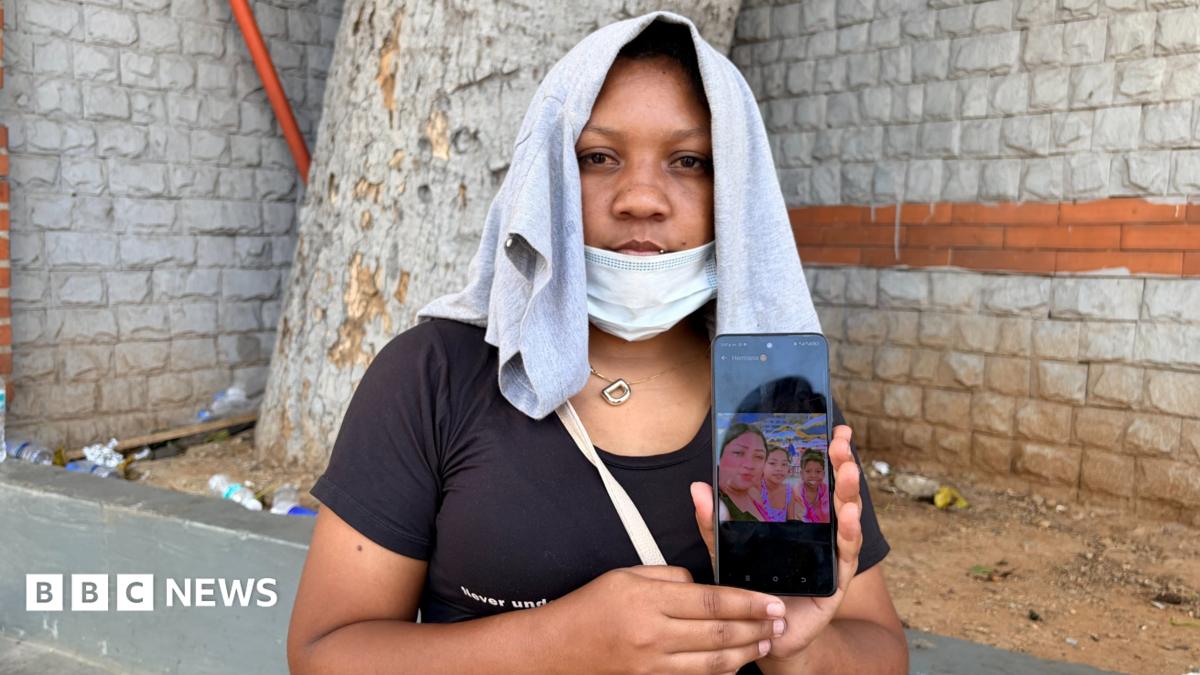
Tragically, some regions remain entirely unreached. Deilisbeth Herreira, a single mother, desperately searches for her daughters, 12-year-old Greydelys and 13-year-old Graybelys, at a La Guaira hospital. Her voice choked with tears, she laments, “I have help from no one. No machines or rescuers have been sent to dig through the rubble. It’s like you’ve been left on your own to find your loved ones.” Her harrowing tale underscores a widespread feeling among the populace: they feel profoundly abandoned by the state in their gravest hour.
Along the battered coastline, the Bello Horizonte complex bears witness to the widespread devastation, two high-rise apartment blocks reduced to an apocalyptic heap. Here, ordinary families and brave volunteers, armed with rudimentary spades and crowbars, dig tirelessly through the debris. The air is thick with a “horrible stench,” as described by William Rodrigues, who is tirelessly searching for his uncle. He reiterates a common complaint: “Help arrived very late in most places, and in some, it has still not arrived.” For those seeking more information on how disaster relief operations are typically organized, resources from international relief efforts can provide valuable context.
In a beacon of hope against the odds, 60-year-old Juan Avendo and his nephew Enyer Musics, whose own home was destroyed, recounted a remarkable rescue. Hearing screams from under the rubble of Bello Horizonte, they tirelessly clawed through the debris with their bare hands, ultimately pulling a woman out alive. This heroic, community-driven initiative stands in stark contrast to the delayed official response. The first government rescue team, Venezuelan firefighters, arrived nearly two days post-quake, on Friday, followed by international assistance from El Salvador and the US. Yet, by Sunday, the search operation was controversially called off, leaving hundreds, Juan estimates, still entombed. The true scale of this disaster, and the final tally of those lost in this devastating Venezuela earthquake, may forever remain unknown.
About the Author