
Bangkok fire investigation finds locked doors and flammable decor as deaths climb to 30
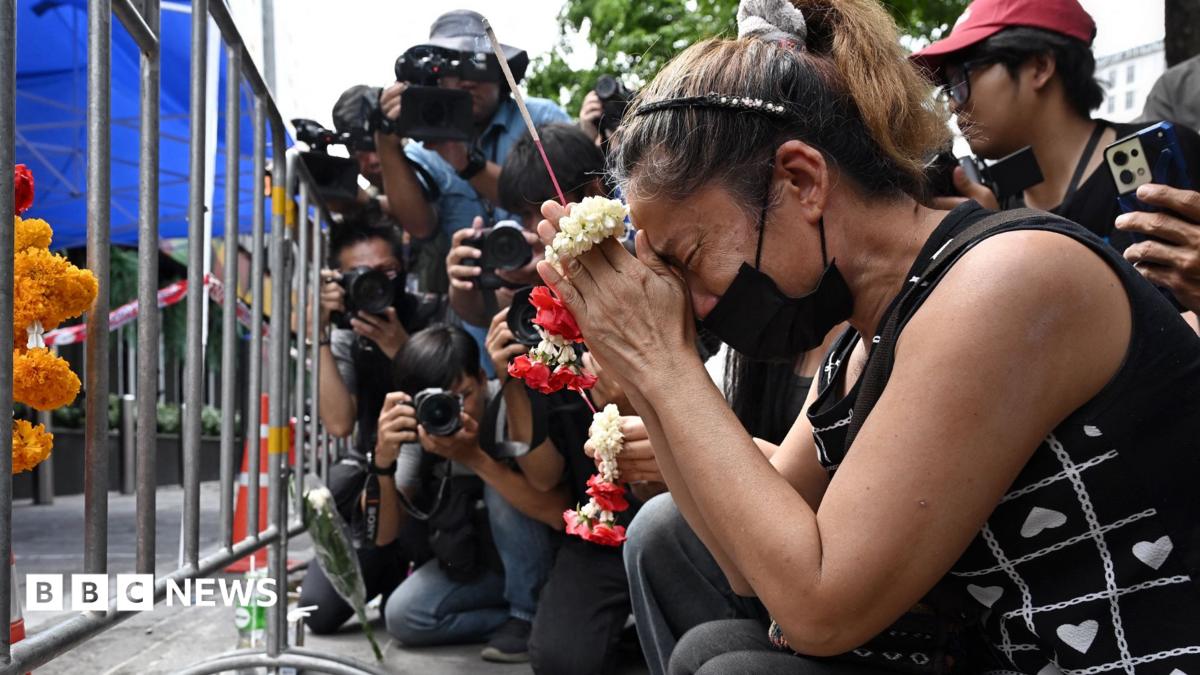
In a chilling turn of events, a comprehensive Bangkok Fire Investigation is currently underway, revealing a horrifying tapestry of negligence that contributed to a deadly inferno at a popular bar last Sunday. As the tragic death toll climbs to 30, survivors recount harrowing tales of locked doors and unmarked emergency exits, while authorities point to highly flammable decorative materials that fueled the rapid, devastating spread of the blaze.
The incident, which has left scores injured – 24 critically – unfolded with terrifying speed. First responders discovered a significant number of victims huddled in the bar’s restrooms, a desperate, futile attempt to escape a fire that, experts believe, cut off their only routes to safety. Police General Kittiratt Phanphet grimly observed that these findings “indicate a lack of caution and disregard for the safety of the patrons.”
Negligence Uncovered in Bangkok Fire Investigation
Preliminary inquiries suggest the conflagration ignited from a short circuit in an air conditioner, instantly plunging the entire venue into darkness. Yet, patron testimonies paint a grim picture of the establishment even before the crisis: a notoriously dim space with a confusing, winding path to crucial amenities like bathrooms, and poorly marked exits. Phatsara Khamloet, a previous visitor in May, vividly described her struggle to navigate the “winding route” to the bathroom, highlighting the severe lack of clear egress signage.
Busakorn Saensuk, a fire safety expert from the Engineering Institute of Thailand, conducted a thorough inspection of the charred remains of Rong Beer Na Lat Phrao. Her findings are stark: a crucial door near the restrooms was locked, while the primary entrance doors were partially blocked by furniture and other impediments. She posits that patrons, instinctively fleeing the approaching flames, would have converged at the rear restrooms, only to find themselves tragically trapped.
“If the emergency signs were lit, people would have been able to see how the door was locked and may have been able to unlock it,” Busakorn lamented, underscoring a fundamental failure in basic safety protocols. Compounding the catastrophe, the stage was lavishly adorned with extremely flammable plastic flowers, and the ceiling plastered with combustible foam. Survivors described the stage becoming a raging inferno within mere seconds, claiming the lives of two members from the indie band Thotsakan, who were performing at the time.
Beyond the direct burns, the insidious danger of toxic smoke looms large. Worsak Kanok Nukulchai, a structural engineering professor, suggests many victims likely succumbed to inhaling noxious fumes — carbon monoxide and hydrogen cyanide, often termed the “toxic twins” of fire smoke — long before the flames reached them. This deadly cocktail, he explains, is a rapid byproduct of fire reacting with such highly combustible materials.
Further complexities have emerged surrounding the bar’s licensing. It was registered as a “restaurant with live music,” not an “entertainment venue,” a distinction that shockingly exempted it from stringent fire-retardant material requirements. This critical loophole has become a central point in the ongoing Bangkok Fire Investigation. In response, Bangkok’s Metropolitan Administration has announced a comprehensive review of existing regulations governing construction and decoration materials in both entertainment venues and restaurants, a move long overdue in the eyes of many safety advocates.
Disturbingly, this is not the first such incident involving the venue’s owner. According to PBS Thai, the proprietor of Rong Beer Na Lat Phrao previously owned another pub in Thailand’s Yasothon province, which was also destroyed by fire in December 2019. Fortunately, that earlier incident, occurring during daylight hours, resulted in no casualties. For further context on global fire safety standards, one might consult various industry publications to understand best practices and regulatory frameworks that could prevent such tragedies.
The mounting evidence from the Bangkok Fire Investigation paints a grim picture of systemic failures and a devastating disregard for human life. As the city mourns, the clamor for accountability and urgent regulatory reform grows louder.