
At least 132 killed in Colombia’s largest earthquake in years
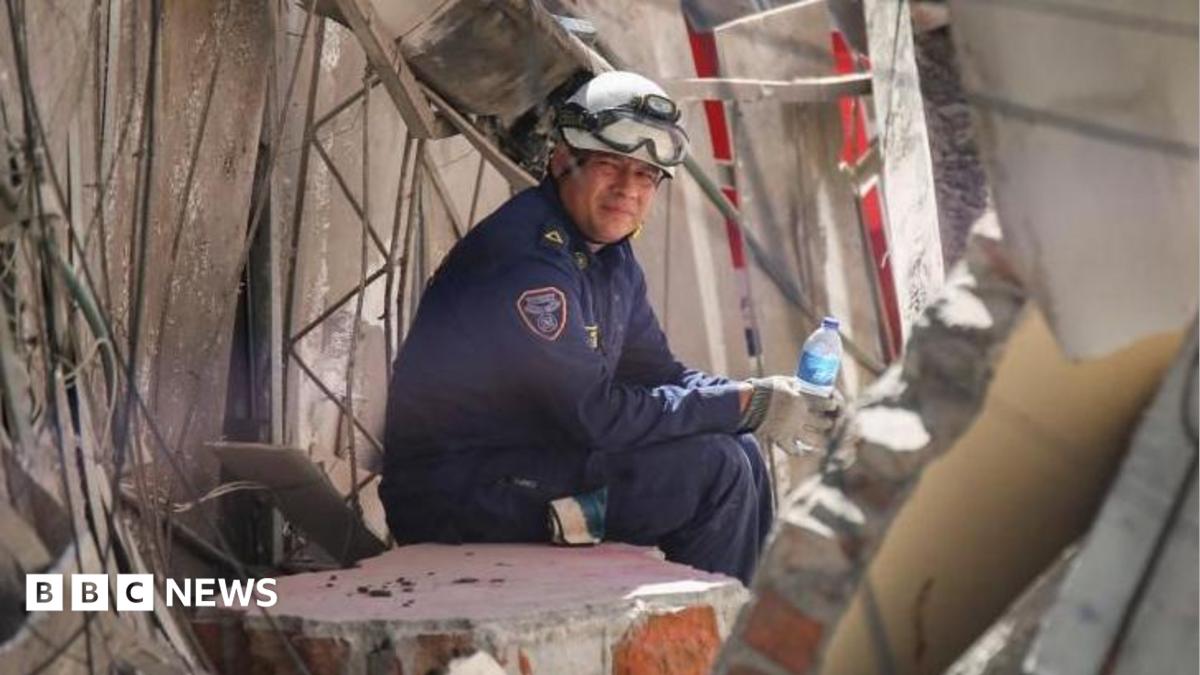
A cataclysmic 7.4-magnitude **Colombia earthquake** has ripped through the nation, leaving an immediate trail of destruction and a grim tally of at least 132 lives lost. In the wake of this seismic catastrophe, the government has swiftly declared a state of emergency, a move underscoring the profound scale of the unfolding humanitarian crisis. As rescue teams scramble amidst the rubble, fears are mounting that the death toll, already staggering, will inevitably climb higher as more victims are discovered trapped beneath crumbled structures.
The monstrous tremor, one of the most powerful to strike Colombia in years, erupted at 07:34 local time (12:34 GMT) on Monday. Its epicenter, chillingly located near the tranquil village of San José del Palmar in Chocó province, lay at a considerable depth of 103 kilometers (64 miles). This profound depth, while often leading to fewer immediate surface hazards, paradoxically unleashes energy in a way that can prove devastatingly destructive to infrastructure. The violent shaking reverberated for hundreds of miles, impacting vast swathes of western Colombia, casting a pall of terror over millions.
Devastation Across Western Colombia Earthquake Zones
The human cost of this disaster is starkly evident, particularly in urban centers. Pereira, nestled within Colombia’s famed coffee-growing region, has borne the brunt of the onslaught, reporting over 40 fatalities within its metropolitan area and a staggering 65 collapsed buildings. Hopes dim for those believed to be entombed within 15 of these structures, prompting authorities to enforce a strict curfew until Tuesday morning. Further south, Cali, a major urban hub, witnessed 32 buildings reduced to rubble.
Personal accounts paint a harrowing picture. Dan Cutler, a 29-year-old Londoner visiting Cali, vividly recounted being jolted awake: “I’ve never experienced anything like it.” He and his partner fled their hotel in pajamas, fortunate to find only superficial cracks, plaster, and paint peeled from the walls, rather than structural collapse. In Manizales, which also reported deaths, journalist and meteorologist Luis Felipe Molina credited the city’s stringent seismic-resistant building codes for his home’s resilience, though he described glass shattering and widespread screams around him. “It was a terrible and terrifying experience,” he confessed.
Beyond the immediate human tragedy, critical infrastructure has suffered gravely. Regional airports, including those serving Pereira, Manizales, and Quibdó, have reported significant damage, crippling vital transportation links. Even in Bogotá, the nation’s sprawling capital, trees swayed violently, and traffic lights danced, with reports of building cracks, though no major infrastructure failure has yet emerged. The sheer force of the quake extended its reach far beyond Colombia’s borders, triggering tremors felt across neighboring Venezuela, Ecuador, and Panama, a chilling reminder of the interconnectedness of our planet’s geological phenomena. For more detailed information on seismic activity, you can visit the U.S. Geological Survey website.
The Response and Aftermath of the Colombia Earthquake
President Abelardo de la Espriella, barely days into his new tenure, faces an immediate, monumental challenge. His declaration of a national disaster unlocks special powers for emergency response and budget reallocation, a critical step as initial assessments reveal more than 1,500 homes damaged. The international community has quickly mobilized, with US Secretary of State Marco Rubio pledging support and EU chief Ursula von der Leyen confirming the deployment of the Copernicus satellite for rescue operations. El Salvador’s President Nayib Bukele also extended solidarity and offered personnel and equipment for the desperate search efforts. This catastrophic **Colombia earthquake** unfolds less than two months after Venezuela suffered twin quakes that claimed over 6,300 lives, adding a layer of regional concern to this latest tragedy.