
Saskatchewan storm season close to breaking records as tornado totals rise
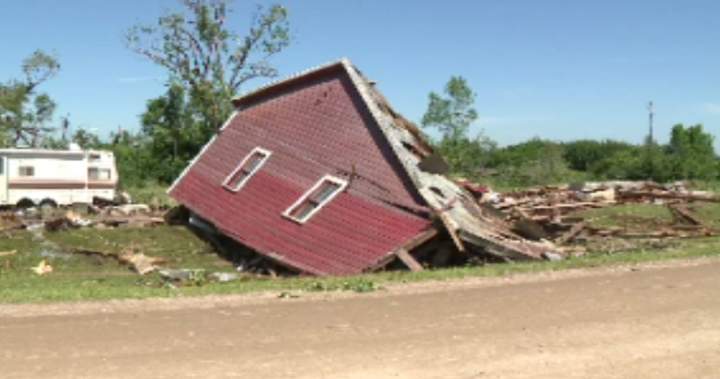
Saskatchewan is currently experiencing an unparalleled onslaught of severe weather, pushing the province precariously close to an all-time record for confirmed Saskatchewan tornadoes. The summer of 2026 has unfurled with an intensity that has left meteorologists and residents alike pondering the “why” behind this furious, relentless display of nature’s power. Indeed, the very air hums with an ominous energy as the count of rotational storms climbs, signaling a season unlike any in recent memory.
The numbers themselves are staggering. Environment Canada confirms a remarkable 27 tornadoes have already touched down this year. An astonishing twelve of those materialized on a single Friday, tearing across communities like Speers, Dundurn, and Redberry Lake. Furthermore, at least five additional potential tornadoes, including tantalizing reports of twin funnel clouds near Glaslyn, remain under meticulous investigation. This extraordinary outbreak has undeniably punctuated what was already shaping up to be an exceptionally volatile storm season across the Prairies.
Understanding the Surge in Saskatchewan Tornadoes
So, what fuels this seemingly endless succession of violent weather? Experts point to a complex interplay of meteorological factors. David Sills, a prominent figure with the Northern Tornado Project, observes, “We seem to be in a pattern that is conducive to tornadic storms and just holding there.” He’s not wrong; the Prairies have accounted for roughly half of Canada’s total tornadoes so far this year.
Terri Lang, a meteorologist with Environment Canada, elaborates further, identifying a crucial trifecta of ingredients. A substantial carryover of moisture from an unusually wet spring has saturated the landscape. This, combined with the intense heat of summer, creates a potent cocktail for severe storm development. Adding to this volatile ballet is the widespread agricultural growth: “Farmers will probably call it corn sweat,” Lang remarks, highlighting the immense moisture crops release into the atmosphere once they finally receive enough hydration to flourish.
This profusion of moisture follows several years of pronounced dryness, even drought-like conditions, across much of the Prairies. The current transition from a La Niña to an El Niño year also plays a significant role, potentially amplifying these atmospheric conditions. All these elements coalesce, setting the stage for what could become a truly record-shattering year for Saskatchewan tornadoes. The existing record, a formidable 33 tornadoes, was established in 2012. Lang doesn’t mince words: “It could be that year that we break that number.”
Given the persistent threat, preparedness is paramount. Lang strongly advises everyone, especially those venturing out for boating or camping in the coming weeks, to have a robust safety plan in place. Staying informed about local weather alerts and understanding how to react when severe weather strikes can be life-saving. For comprehensive guidance on preparing for all types of adverse weather, consult official government weather advisories and safety resources provided by Environment and Climate Change Canada.