
Can Yemen’s government forces sustain their offensive against the Houthis?
Introduction & Key Takeaways
The protracted Yemen conflict has entered a volatile new phase, testing the viability of the internationally recognized government’s latest military initiatives. As the Houthi movement persists in its campaign to disrupt vital supply routes, the strategic calculus for the Dawn of Yemen operation is increasingly under threat. Analysts are now closely monitoring whether government forces, backed by regional powers, can maintain momentum amidst severe logistical blockades.
- Houthi missile strikes have directly impacted government infrastructure, including a recent attack near the presidential palace in Aden.
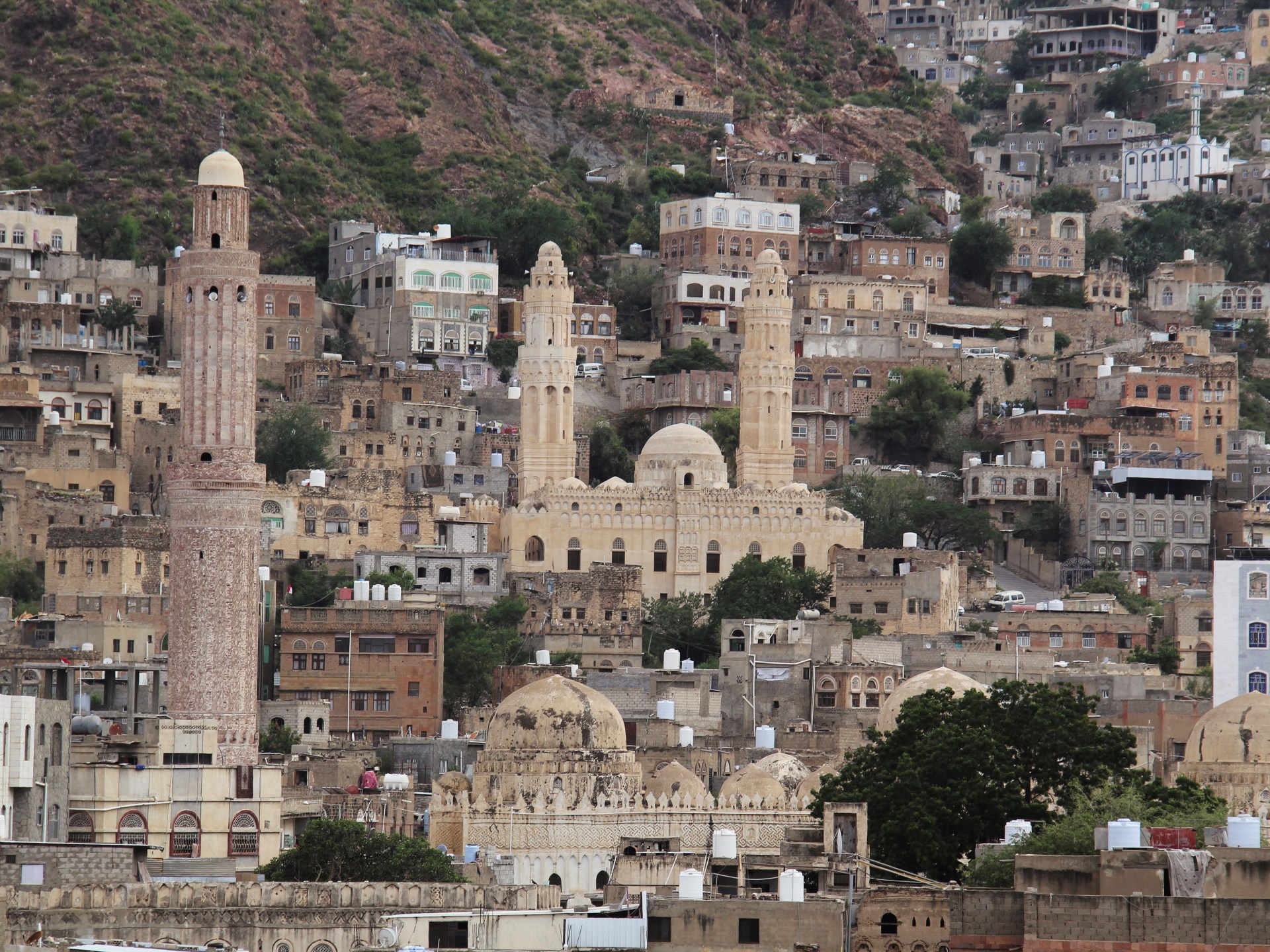
- The siege of Taiz remains a critical bottleneck, with fuel and food prices surging as traditional supply lines are severed.
- Success hinges on the ability of disparate anti-Houthi factions to unify their command structures under the Supreme Military Committee.
Background & Context
What just happened in the region signals a dangerous escalation. Following the launch of the Dawn of Yemen operation, the Houthi rebels have utilized their established tactical network to counter the government’s push to reclaim territory, including the capital, Sanaa. The recent capture of the port of Mocha by Houthi forces serves as a stark reminder of their resilience in the face of ground-based opposition. For more context on regional instability, refer to this historical overview of the conflict. The situation is further complicated by the ongoing challenges documented in internal reports on the healthcare crisis escalating in Yemen’s besieged Taiz, which illustrates the devastating human toll of these logistical failures.
Root Cause & Deep Dive Analysis
The core of the issue lies in the precarious nature of military logistics in a fractured landscape. The Yemeni government maintains that it employs a strategy of decentralization to bypass blockades, utilizing secondary routes through mountainous terrain. However, the geographic reality of Taiz, which is currently effectively cut off, proves that such flexibility has inherent limits. The Houthis, bolstered by external support, focus their strikes on high-value targets to maximize economic and political pressure on the coalition. This tactic aims to force a stalemate by increasing the operational cost of the government’s offensive. The government’s reliance on Saudi air support serves as a necessary, yet potentially insufficient, counterbalance to these persistent Houthi advancements.
Strategic Implications & Future Impact
The long-term viability of the anti-Houthi coalition is the primary concern for global stakeholders. While the Supreme Military Committee was established to integrate disparate military branches, historical deep-seated divisions remain a persistent obstacle. The inability to fully coordinate field units in real-time has already resulted in tangible losses along the Red Sea coast. If the government cannot move past these internal fragmentations, the broader campaign against the Houthi forces could suffer from a terminal lack of cohesion. International observers, including those tracking global geopolitical tensions, recognize that the outcome of this struggle will dictate the political future of the Arabian Peninsula for years to come.
Conclusion & What to Watch Next
As the Yemeni government pushes forward with its offensive, the focus will shift toward its ability to secure high-ground positions around Taiz and protect its supply arteries. The next few weeks are critical. If the government can demonstrate a more unified command and effectively neutralize Houthi drone and missile capabilities, they may yet reclaim the initiative. However, should supply routes remain compromised and internal friction persist, the prospects for a decisive government victory will continue to dwindle. The international community should watch the coordination of the Supreme Military Committee as the ultimate litmus test for this renewed military push.