
Healthcare crisis escalating in Yemen’s besieged Taiz
Introduction and Key Takeaways
The humanitarian situation in Yemen, specifically the ongoing healthcare crisis in Taiz, has reached a catastrophic inflection point. As localized fighting intensifies, the city remains trapped in a state of suspended animation, starved of vital resources and medical infrastructure. This global health concern highlights the devastating impact of modern conflict on civilian populations. Understanding the dynamics of this siege is essential for grasping the broader geopolitical instability currently plaguing the Arabian Peninsula.
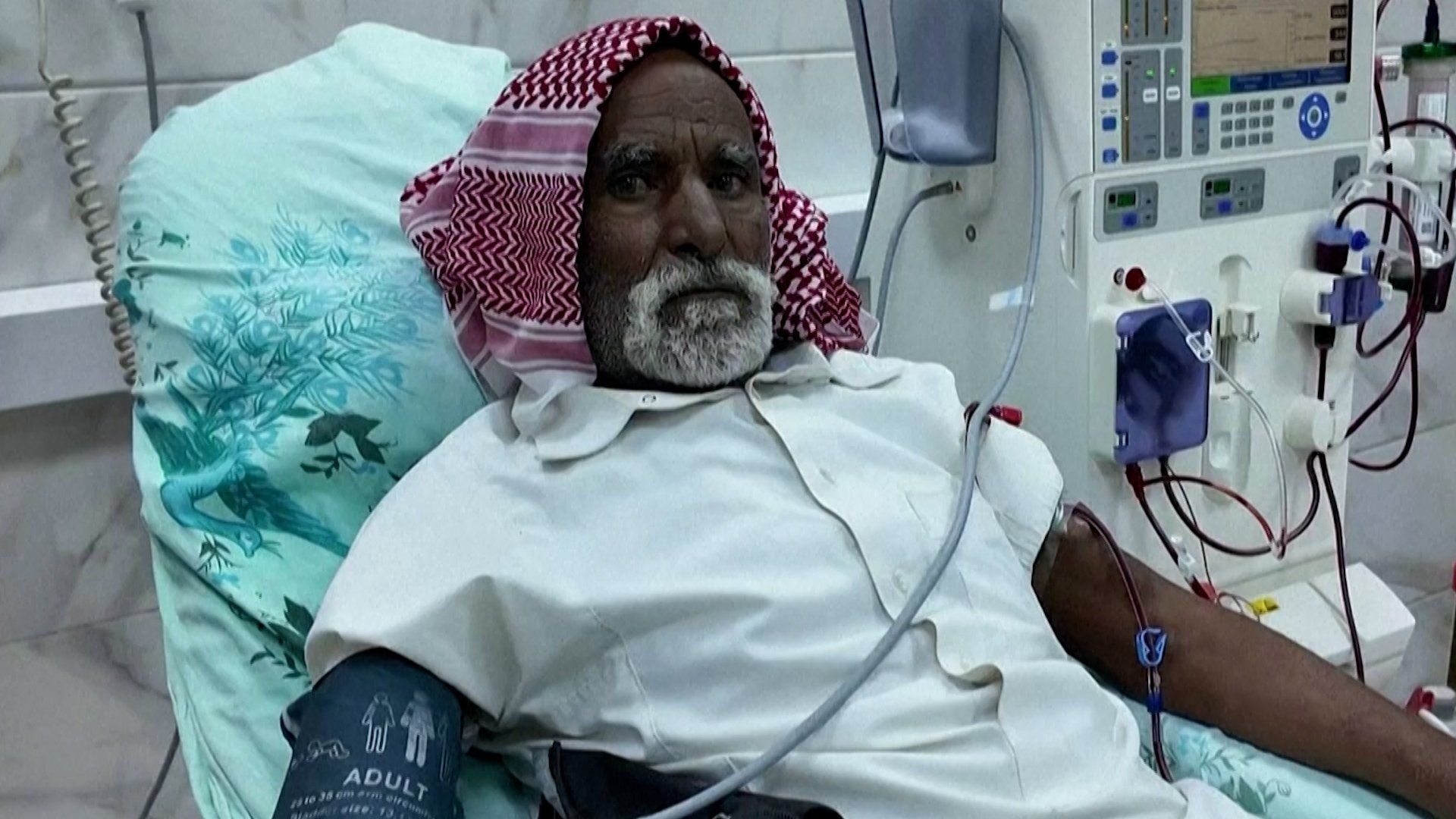
- The blockade of Taiz has effectively paralyzed the city, restricting the flow of essential medical supplies and food.
- Healthcare workers are operating under impossible conditions, lacking everything from basic anesthesia to life-saving oxygen.
- The civilian population bears the brunt of the political impasse between Houthi forces and the internationally recognized government.
- The international community faces renewed pressure to mediate a lasting ceasefire to facilitate humanitarian aid.
Background and Context: What Just Happened?
For years, Taiz has been a focal point of the Yemeni civil war, a conflict that often escapes global headlines but remains one of the world’s most persistent disasters. The city, once a vibrant educational and cultural hub, has been transformed into a chessboard for opposing military factions. Recent spikes in violence have solidified the blockade, creating a bottleneck that prevents aid convoys from reaching the most vulnerable neighborhoods. As noted in broader reports on geopolitical fallout in the region, the instability caused by warring proxies continues to degrade infrastructure that was already fragile prior to the current flare-up.
Root Cause and Deep Dive Analysis
Why has Taiz become the epicenter of this specific tragedy? The root cause lies in the strategic value of the city as a gateway to the southern and northern territories. The siege is not merely a military tactic, but a political instrument designed to force submission through attrition. In the absence of sustained diplomatic intervention, the healthcare crisis in Yemen has become a systemic failure. Hospitals that once served thousands now struggle to operate on minimal fuel, often forcing doctors to choose which patients receive limited support. This creates a ripple effect where preventable diseases, exacerbated by a lack of clean water and sanitation, flourish in the urban center.
Strategic Implications and Future Impact
The geopolitical ramifications of the Taiz crisis extend far beyond the city limits. If the international community fails to address the healthcare crisis in Yemen, the resulting instability could undermine fragile regional peace efforts. Furthermore, the reliance on external humanitarian aid makes the city a barometer for global empathy. If the blockade persists, we may witness a mass migration of civilians fleeing the interior, potentially shifting demographic pressures onto neighboring regions and creating a secondary refugee emergency. The long-term consequence of this neglect is the total erosion of the nation’s human capital, as a generation of youth faces interrupted education and chronic malnutrition.
Conclusion and What to Watch Next
As the standoff continues, the eyes of the world must remain on Taiz. The immediate priority must be the establishment of secure humanitarian corridors that operate independently of military objectives. Beyond the delivery of immediate aid, long-term stability requires a fundamental shift in how the warring parties view the civilian cost of their maneuvers. We must watch for upcoming diplomatic summits, specifically those involving regional stakeholders who possess the influence to pressure a softening of the blockade. The healthcare crisis in Yemen serves as a somber reminder that in the calculus of war, the most basic human rights are often the first items discarded.