
Cockroach Party protest intensifies after Wangchuk forcibly hospitalised
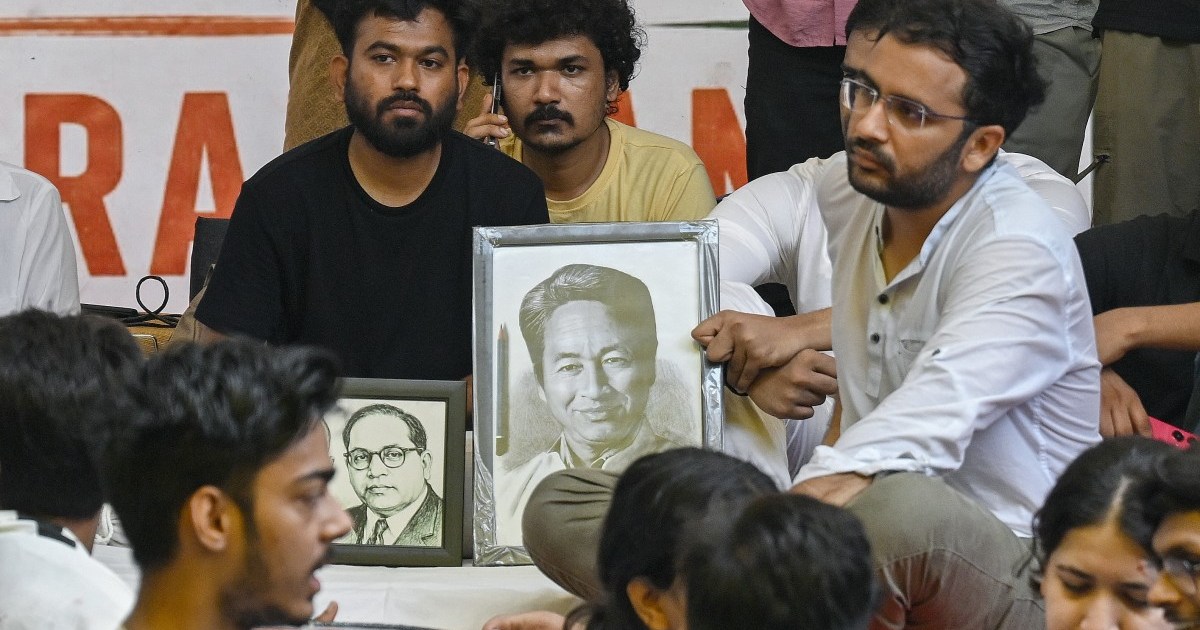
NEW DELHI – A significant escalation has gripped the political landscape as the Cockroach Party protest intensified dramatically following the forced hospitalization of prominent activist Sonam Wangchuk. After an grueling 21-day hunger strike, authorities moved Wangchuk against his will, sparking outrage and a potent response from the youth-led movement.
The already volatile situation grew more heated when Abhijeet Dipke, the dynamic founder of the Cockroach Janta Party, initiated a solidarity fast. His act of defiance was met with a jarring incident; Dipke was reportedly splashed with ink, a symbolic and unsettling attack that further galvanized the protesters. Such actions underscore the rising tensions surrounding this compelling grassroots movement.
Understanding the Cockroach Party Protest
The ‘Cockroach Janta Party,’ a distinctly youth-led political outfit in India, has emerged as a vocal force. Their demonstrations, now collectively known as the Cockroach Party protest, highlight pressing issues, though the specific demands aren’t detailed in the immediate incident reports. This party’s unique name itself suggests a resilient, persistent, and perhaps overlooked, force in Indian politics, often challenging established norms.
The forced removal of a hunger-striking activist like Wangchuk, coupled with the assault on a party founder, paints a stark picture of the challenges faced by dissenters. Such events frequently draw international scrutiny, prompting conversations about the principles of peaceful dissent and the treatment of activists.
As the Cockroach Party protest continues to simmer, observers anticipate further developments. The commitment shown by both Wangchuk and Dipke, despite the personal risks, illustrates the deep conviction driving this unique political movement. The coming days will reveal whether these escalating tensions lead to dialogue or further confrontation.