
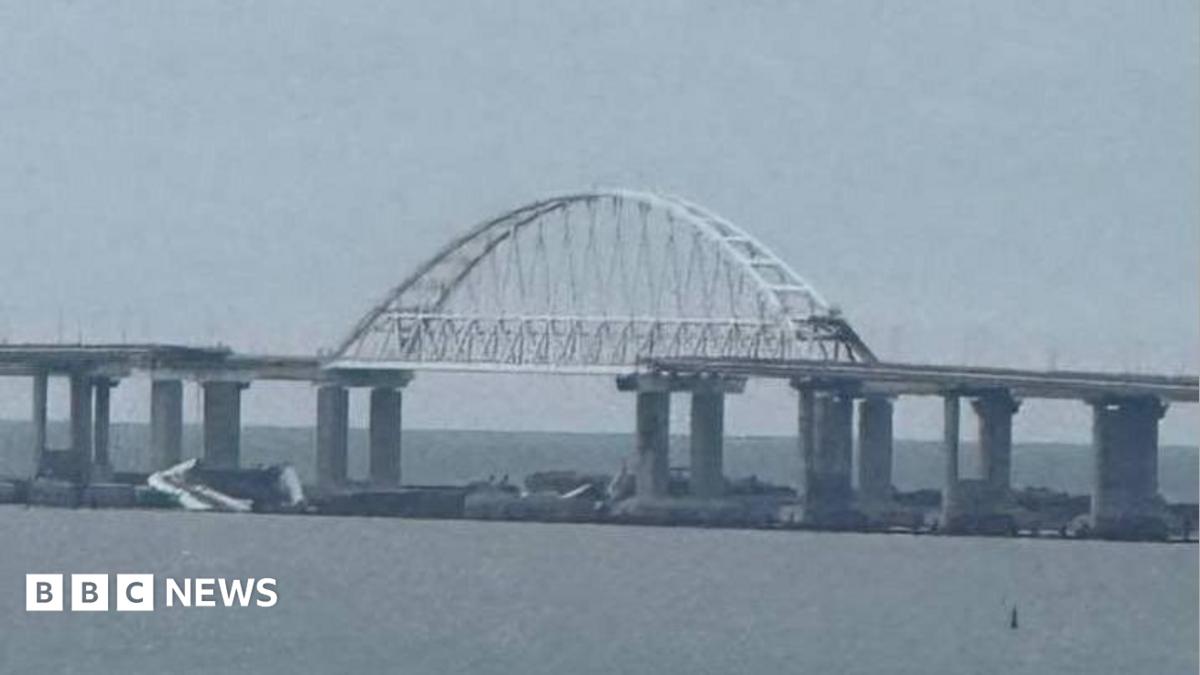
Crimea bridge shut after Ukrainian strike, as Russia hits Kyiv crossings
Introduction & Key Takeaways
The recent tactical escalation in the ongoing Russia-Ukraine conflict has seen a massive Crimea Bridge strike, effectively severing a critical logistics artery for Moscow. This development marks a significant shift in the strategic landscape of the war, occurring just days before high-level diplomatic discussions involving Russia, the United States, and China. This article explores the immediate consequences, the geopolitical ripple effects, and the broader context of this infrastructure-focused offensive.
- The Kerch Bridge, a symbolic and strategic asset for the Kremlin, has suffered major structural damage due to drone activity.
- Russia responded with retaliatory strikes on infrastructure in Kyiv, disrupting transit and civilian life.
- These events coincide with intense diplomatic pressure, as global powers convene to discuss potential paths toward peace.
- The destruction of logistics lines remains a core objective for Kyiv to influence the political cost of the occupation.
Background & Context (What Just Happened?)
The Crimea Bridge, also known as the Kerch Bridge, has served as a central nervous system for Russian forces in the region since it was unveiled by President Vladimir Putin in 2018. Following the 2014 annexation, its construction symbolized Moscow’s intent to permanently integrate the peninsula. However, throughout the current full-scale invasion, it has remained a primary target for Ukrainian forces. The latest incident involved a sophisticated drone strike, resulting in the collapse of a road section, while the railway line remains under assessment.
The timing is deliberate. As noted in recent international reporting, this strike comes as global leaders prepare for sensitive multilateral talks. For Kyiv, the bridge is more than just concrete and steel; it is a vital supply line for troops operating in the south. By creating a physical void in this logistics chain, Ukraine is attempting to force a reassessment of the Kremlin’s operational capacity.
Root Cause & Deep Dive Analysis (Why Did This Happen?)
The logic behind the Crimea Bridge strike is grounded in the attrition strategy that both sides have adopted. Ukraine has consistently targeted Russian energy infrastructure, oil refineries, and supply lines to weaken the Kremlin’s economic engine. By targeting the bridge, Kyiv aims to impose a double burden on Moscow: the massive financial cost of rebuilding and the undeniable political embarrassment that a high-profile, state-touted project can be incapacitated during a period of intense global scrutiny.
Simultaneously, Russia’s retaliatory strikes on the Dnipro River crossings in Kyiv illustrate a desperate attempt to maintain internal stability by punishing the Ukrainian capital. The destruction of these crossings disrupts the daily lives of millions, mirroring the tactics used by Moscow to isolate and terrorize urban centers. The volatility of the situation has left many observers wondering if the political leadership in the region can survive such persistent instability, a theme explored in discussions regarding the political future of controversial leaders.
Strategic Implications & Future Impact (What Does This Mean Globally?)
The Crimea Bridge strike signals a departure from conventional territorial gains, shifting toward a war of endurance and symbolic victories. As the conflict drags into its next phase, the involvement of third-party nations, including North Korea, has complicated the geopolitical chess board. The mention of potential North Korean ballistic missile support for Russia adds a dangerous layer to an already volatile regional theater. With the US pushing for security guarantees, the prospect of a breakthrough hinges on whether these physical attacks can be halted in favor of negotiated outcomes.
Conclusion & What to Watch Next
The current state of affairs is one of extreme fluidity. As Russia faces the fallout of the bridge damage and Ukraine grapples with damaged urban infrastructure, the international community remains on edge. The upcoming meeting in Shenzhen between world leaders will serve as a bellwether for whether these tactical strikes will lead to a wider diplomatic framework or further escalation. Monitoring the railway operations on the bridge and the success of humanitarian efforts in Kyiv will be critical in the coming weeks.