
‘Do You Feel You Are A Lord?’: Bombay HC Raps FDA Over Crackdown On 5 Restaurants On MCA Premises
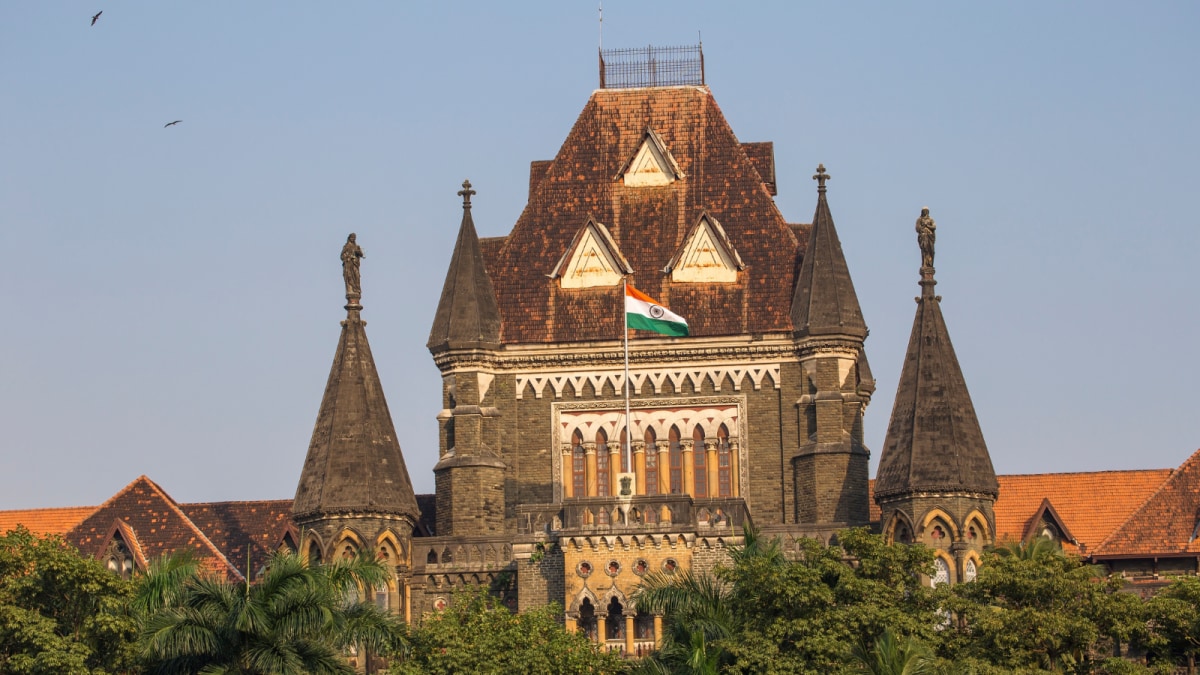
In a significant judicial intervention that has sent ripples through regulatory circles, the Bombay High Court on Saturday delivered a stinging rebuke to the Maharashtra Food and Drugs Administration (FDA), unequivocally setting aside its orders to suspend the food licenses of five popular eateries located on the Mumbai Cricket Association’s (MCA) Bandra Kurla Complex (BKC) premises. The court accused the state’s food watchdog of acting with “undue haste” and failing to adopt a “pragmatic approach” in its conduct, effectively halting what it termed a disproportionate FDA restaurant crackdown.
This judicial reprimand marks a critical moment for regulatory oversight in Maharashtra, highlighting the judiciary’s increasing scrutiny of administrative actions. The high-stakes legal battle unfolded as the MCA sought relief against the FDA’s drastic measures, initially prompted by alleged hygiene violations and operational irregularities. What began as a routine inspection escalated into a full-blown legal challenge, exposing underlying tensions between strict enforcement and reasonable application of the law.
The Genesis of the FDA Restaurant Crackdown
The saga commenced when the FDA moved to suspend the licenses, citing two primary concerns. Firstly, alleged hygiene deficiencies, which, upon re-inspection, proved to be largely resolved, with the establishments demonstrating an impressive 88% compliance with food safety regulations. Secondly, and perhaps more contentious, was the FDA’s assertion that the eateries, despite having licenses issued in the MCA’s name, were being operated by a third-party entity, M/s Shirke Infrastructure. This administrative technicality became a focal point for the agency’s persistent suspension.
The Bombay High Court, represented by a division bench comprising Acting Chief Justice Ravindra Ghuge and Justice Gautam Ankhad, had previously urged the FDA to reconsider its stance, advocating for a more balanced perspective. Yet, the FDA remained unyielding, stubbornly upholding its suspension orders. This unwavering position, even in the face of significant compliance improvements, proved to be the tipping point for the judiciary.
Judicial Indignation and The Call for Pragmatism
The court’s frustration was palpable, echoing in powerful, direct language. Justice Ghuge sternly questioned the FDA’s overzealousness, demanding, “Do you feel you are a lord and you can do anything?” This pointed query underscored the bench’s concern over an apparent arrogance of power, suggesting a departure from the spirit of public service that regulatory bodies are meant to embody. The judges further admonished the FDA for taking a “pedantic instead of a pragmatic view,” especially after having been given explicit directions to reconsider.
“We are tired of scolding the department and officers all the time. It is now time to pass stinging orders. We will issue contempt action against the concerned officers. Let them convince us or go to jail,” the bench declared, an unmistakable warning shot fired across the bow of bureaucratic inflexibility. This bold declaration serves as a stark reminder that even powerful state agencies are accountable for their actions and must adhere to principles of proportionality and due process. The court’s decision to vacate the suspension and permit the eateries to resume operations immediately reflects a prioritisation of livelihood and fair treatment over rigid administrative adherence to minor technicalities.
Crucially, while allowing the restaurants to reopen, the High Court directed the FDA to separately examine the operational issues related to M/s Shirke Infrastructure. This bifurcated approach underscores a nuanced understanding: addressing genuine safety concerns expeditiously while giving due process to complex contractual arrangements.
Broader Implications for Regulatory Conduct
This ruling is not merely a victory for the MCA and the five restaurants; it establishes a vital precedent for how regulatory bodies like the FDA must operate across India. It reinforces the principle that punitive actions, especially those impacting livelihoods, should be proportionate to the offense and backed by sound reasoning, not just bureaucratic whim. The court’s emphasis on a “pragmatic view” suggests that agencies should prioritize public safety through corrective measures rather than immediate, often devastating, closures, particularly when compliance levels are high. Such judicial oversight can significantly impact future food safety crackdowns, promoting transparency and accountability. For a broader understanding of how societal issues often reflect deeper systemic shortcomings, one might consider the ongoing discourse around topics like public discontent with systemic failures. The legal scrutiny of regulatory actions, as seen in this FDA restaurant crackdown case, is a cornerstone of democratic governance.
The Maharashtra FDA, like the nation’s apex food regulatory body, has a critical role in ensuring public health and safety. However, the esteemed judicial institution has unequivocally stated that this role must be discharged with a balanced hand, respect for due process, and a clear understanding that regulations are tools for public good, not instruments of arbitrary power. Businesses and consumers alike will be watching closely to see if this judicial directive leads to a perceptible shift in the FDA’s enforcement strategies going forward.