
Ebola outbreak in Democratic Republic of Congo now deadliest in country’s history
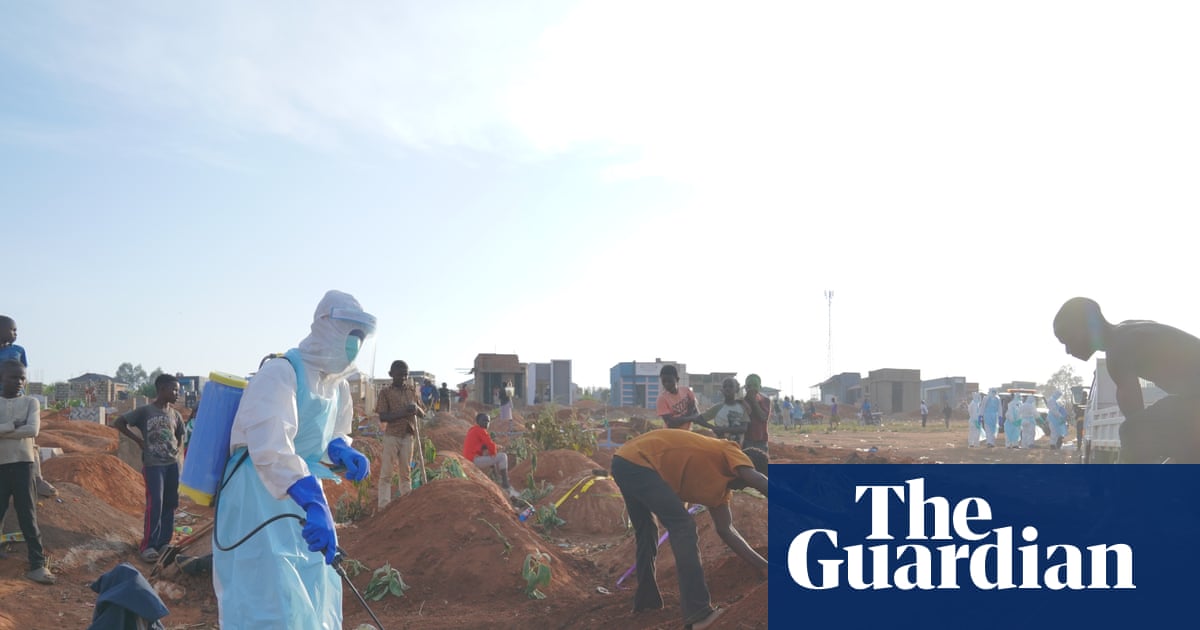
A chilling milestone has been reached in Central Africa. The Democratic Republic of Congo is grappling with its most devastating DRC Ebola outbreak to date, with official figures revealing a heart-wrenching toll of at least 2,325 lives lost. This unprecedented surge grimly surpasses the death count from the 2018-20 epidemic, plunging the nation deeper into crisis.
Congo’s public health institute recently reported 4,945 confirmed cases, with 101 new detections in a mere 24 hours. The United Nations issued a dire warning, stating starkly that “Ebola is winning in the Democratic Republic of the Congo,” claiming a life every 30 minutes. Six of the DRC’s 26 provinces are now affected, particularly along the north-eastern border, with Ituri province bearing the brunt of over 3,400 cases. This harrowing DRC Ebola outbreak has rapidly become the fastest-growing in the virus’s recorded history.
The Unyielding Nature of the DRC Ebola Outbreak
A significant hurdle in containment efforts is the absence of approved vaccines or treatments specifically targeting the rare Bundibugyo strain, identified as responsible for this current, brutal surge. Public health specialist Thomas Parisch, recently on the ground with Médecins Sans Frontières, expressed profound concern. He noted, “Normally, as an outbreak progresses, the case fatality ratio should fall as contact tracing improves and patients are identified and treated earlier.” Yet, in a stark contrast, he observed, “Instead, we’re still seeing many cases detected very late, when treatment is less likely to succeed, with many identified only after they die in the community.” This makes the battle against the virus an uphill climb. To understand more about this severe illness and its global impact, resources from the World Health Organization offer comprehensive details.
The crisis is not confined solely within DRC borders; neighboring Uganda has reported at least 20 cases, all within its capital, Kampala, signaling a worrying regional spread. In response to the escalating threat across both nations, the World Health Organization (WHO) formally declared the situation a public health emergency of international concern this past May. This classification underscores the gravity of the situation and the urgent need for coordinated international action. The DRC Ebola outbreak highlights the swift, unforgiving transmission pathways of the disease. Ebola spreads through direct contact with infected blood, bodily fluids, organs, or contaminated materials from both wild animals and human populations. Symptoms, often initially non-specific, can quickly escalate from fever and fatigue to severe vomiting, diarrhea, abdominal pain, rashes, and critical organ dysfunction.
As the death toll continues its tragic ascent, the world watches with bated breath. The resilience of the Congolese people and the dedication of global health workers are tested daily against an invisible enemy that shows no sign of relenting. Urgent, concerted efforts are paramount to turn the tide against this relentless epidemic.