
Ebola outbreak in Democratic Republic of the Congo now deadliest in country’s history
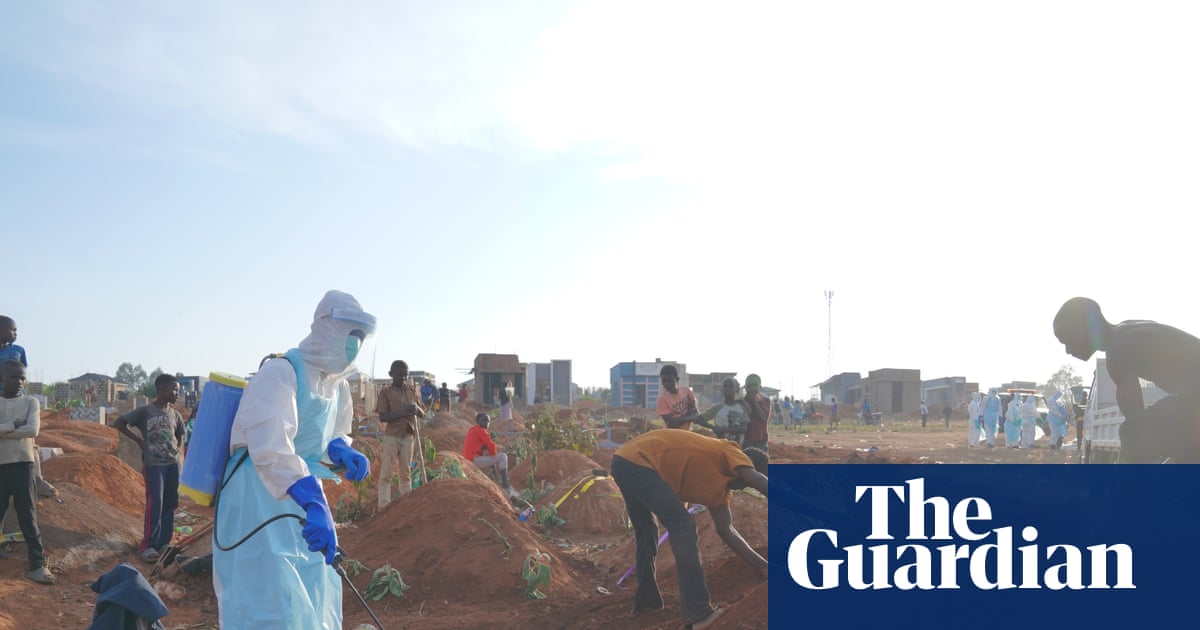
The Democratic Republic of Congo (DRC) is grappling with a devastating health crisis, as its current DRC Ebola outbreak officially surpasses all previous tolls, marking it as the deadliest in the nation’s history. Government data reveals a grim reality: at least 2,325 lives have been tragically lost, eclipsing the severity of the 2018-20 epidemic. The sheer scale is staggering, with confirmed cases now reaching 4,945, a horrifying surge that saw 101 new detections in just a single 24-hour period.
Alarmingly, the World Health Organization (WHO) warns this catastrophe is on track to dwarf West Africa’s monumental 2014-16 Ebola crisis, which saw over 28,000 cases and more than 11,000 fatalities across Guinea, Liberia, and Sierra Leone. Indeed, the UN recently painted a dire picture, stating, “Ebola is winning in the Democratic Republic of the Congo,” with a human life being extinguished approximately every 30 minutes due to the relentless disease.
Mounting Challenges in the DRC Ebola Outbreak Response
This 17th DRC Ebola outbreak has proven uniquely aggressive, shattering records for speed of transmission. While the 2014-16 West African crisis took nearly five months to claim 1,000 lives, this current epidemic tragically exceeded 2,000 deaths in under three months. The virus has ravaged six of the DRC’s 26 provinces, primarily along the nation’s northeastern border, with Ituri province — where the initial cases were identified — bearing the brunt of over 3,400 infections.
A major hurdle in containing this particular strain, known as Bundibugyo, is the unsettling absence of approved vaccines or treatments. While clinical trials for two potential therapies commenced last month in Ituri, and the WHO director-general confirmed testing of two specialized vaccines on individuals, the immediate impact remains to be seen.
Thomas Parisch, a public health specialist with Médecins Sans Frontières, expressed profound concern. He noted the perplexing trend: normally, as an outbreak progresses, the case fatality ratio should decline with improved contact tracing and earlier patient identification. “Instead,” Parisch lamented, “we’re still seeing many cases detected very late, when treatment is less likely to succeed, with many identified only after they die in the community.” This highlights a critical failure in community engagement and early intervention strategies, exacerbating the DRC Ebola outbreak‘s lethality.
Neighboring Uganda has reported a comparatively contained situation, with about 20 cases in Kampala and no recorded community transmission since June 21. Nevertheless, the severity of the situation prompted the WHO to declare the outbreak in both the DRC and Uganda a public health emergency of international concern in May, retrospectively tracing the virus’s origins back to February.
Ebola, transmitted from wild animals to humans, spreads through direct contact with infected bodily fluids and contaminated materials. Initial symptoms often mimic common ailments: fever, fatigue, muscle pain, headache, and sore throat. These rapidly escalate to vomiting, diarrhea, abdominal pain, rashes, and severe kidney and liver dysfunction, painting a harrowing clinical picture.