
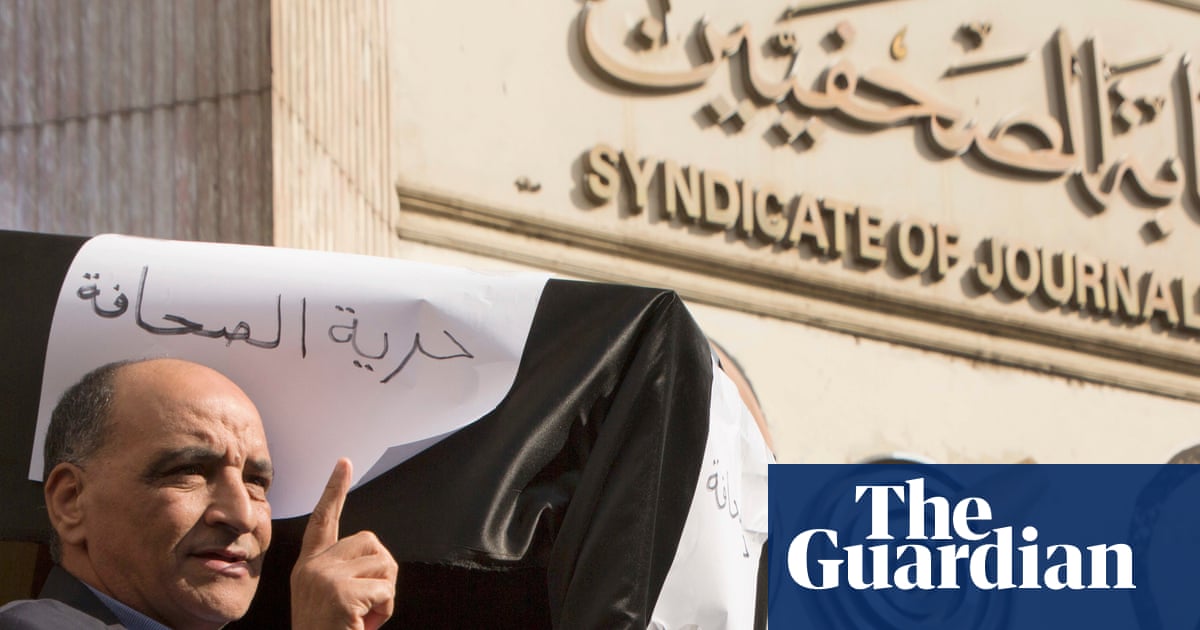
Egyptian journalists plan weekend protest over detention of six colleagues
Introduction & Key Takeaways
The arrest of six journalists from the independent investigative outlet Matsadaash has ignited a firestorm of controversy in Egypt. As the nation prepares for organized protests, the case has become a focal point for international concerns regarding press freedom in the Middle East. The central issue revolves around accusations of terrorism-related offenses, which the detainees and their legal representatives vehemently deny, citing systemic torture and coerced confessions. This case of Egypt press freedom violations underscores the intensifying pressure on independent media platforms operating within restricted political environments.
- Six staff members from the Matsadaash fact-checking platform are currently facing terrorism-related charges.
- Detainees allege being subjected to physical abuse, electric shocks, and the forcing of scripted confessions.
- The Egyptian government denies these allegations, labeling the journalists as affiliates of the outlawed Muslim Brotherhood.
- Protests are planned in Cairo to defend the rights of independent media practitioners.
Background & Context (What Just Happened?)
The situation escalated last week when plainclothes officers detained the six journalists, including Abdallah Qadri and Mohamed Ashraf Abu Emeira, from their homes and public spaces. The authorities, acting under the framework of national security, accused the group of operating without a license and disseminating false information. The outlawed movement mentioned by officials has long been a primary justification for state crackdowns on civil society. Following these arrests, other journalists, such as Rasha Azab, have faced aggressive questioning by state security, indicating that the crackdown is not limited to a single newsroom.
Root Cause & Deep Dive Analysis (Why Did This Happen?)
To understand why this is happening, one must look at the narrowing space for independent discourse in Egypt. Journalists are frequently caught between state mandates and the realities of precarious employment. Investigative platforms, which thrive on transparency, often pose a challenge to established narratives. The allegations of forced confessions, described as “repeated takes” in front of professional filming crews, point to a highly coordinated effort by security services to curate a specific public image regarding these detainees. This approach, which mirrors historic patterns of state suppression, aims to discredit the legitimacy of independent fact-checkers while simultaneously creating a chilling effect for other writers in the region.
Strategic Implications & Future Impact (What Does This Mean Globally?)
The international community is watching this development closely. Organizations monitoring human rights, such as this global watchdog, often highlight that when states move against digital investigative platforms, the goal is often the total control of information flow. By charging journalists with terrorism, the state moves the conversation from one of press rights to one of national security, effectively silencing public debate. If this strategy succeeds, it could set a dangerous precedent, discouraging independent reporting across the MENA region. Furthermore, as we have analyzed in our recent coverage of media suppression trends, the usage of legal instruments to target online content creators is becoming a sophisticated tool of modern authoritarianism.
Conclusion & What to Watch Next
As the planned protests approach, the eyes of the public and international observers will be on Cairo. The core question remains whether the Egyptian government will allow for a transparent investigation into the torture claims, or if the focus will remain on the prosecution of the Matsadaash staff. This event serves as a stark reminder of the fragile nature of Egypt press freedom in a time of political instability. Future updates will likely hinge on the findings of legal proceedings and the scale of domestic backlash against these arrests. Maintaining a focus on Egypt press freedom is essential for those tracking the health of democracy and the safety of journalists globally.