
Fake threat call to Halifax high school came from outside Canada: Police
Introduction & Key Takeaways
The recent Halifax school threat has highlighted an alarming trend in digital-age criminal activity, where anonymous actors utilize international boundaries to facilitate hoaxes. By leveraging technology to bypass local jurisdiction, these perpetrators disrupt public safety and drain municipal resources. Key takeaways from this incident include:
- The threat was confirmed as a hoax originating from outside of Canada.
- Law enforcement is now forced to coordinate across international borders, specifically with agencies in Florida.
- The distinction between a ‘lockdown’ and a ‘hold and secure’ protocol remains a vital pillar of educational safety.
- Resource strain on local police departments is significant when responding to fabricated emergencies.
Background & Context (What Just Happened?)
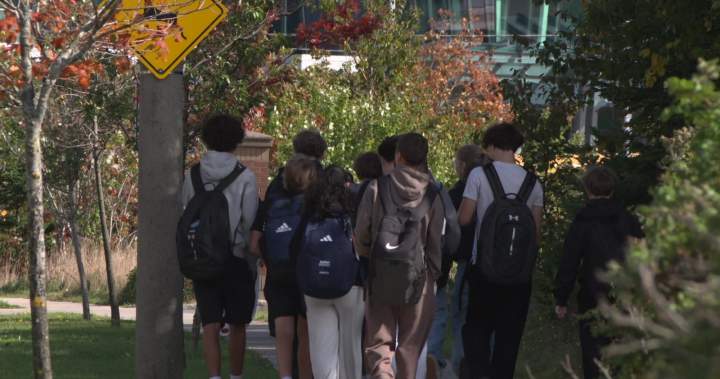
On a Thursday afternoon, Halifax West High School became the epicenter of a high-stakes security operation after receiving a telephoned threat. The caller claimed to be on-site and armed, necessitating an immediate lockdown. Students and staff were sequestered according to established safety protocols while police systematically cleared the building. The tension was palpable as students, such as Dylan Bugdal, recounted the panic of returning from lunch to find their school cordoned off by officers. While the event was eventually deemed safe by 3:45 p.m., the psychological impact on the student body was substantial. This incident mirrors growing concerns about the vulnerability of public institutions to remote, malicious actors who weaponize fear without ever stepping foot in the country.
Root Cause & Deep Dive Analysis (Why Did This Happen?)
The prevalence of swatting or hoax calls targeting schools often stems from the accessibility of anonymized telecommunication tools. By routing calls through foreign servers or using VOIP services, individuals can mask their true location, making immediate attribution nearly impossible for local authorities. The phenomenon of swatting has moved beyond isolated domestic incidents and has become a globalized nuisance. It exploits the mandatory and rapid response times of police, who must prioritize the immediate physical safety of children above the probability that the threat is illegitimate. The Halifax Regional Police are now entangled in a complex investigation that requires cooperation from law enforcement agencies as far away as Florida, illustrating how jurisdictional hurdles provide a protective veil for digital pranksters.
Strategic Implications & Future Impact (What Does This Mean Globally?)
The Halifax school threat incident signals a broader strategic challenge for Canadian public security. As our educational systems become more digitized, the surface area for potential attacks expands. The economic and social costs are significant, as these incidents not only disrupt learning but also consume thousands of dollars in police, paramedic, and fire service deployment. Furthermore, the reliance on international collaboration reveals a dependency on foreign intelligence and cooperation, which can be inconsistent. Moving forward, authorities must likely invest in more advanced verification technologies to filter incoming emergency calls. Without such advancements, the ability of remote actors to hold local communities hostage through fear will continue to compromise the sanctuary of our schools.
Conclusion & What to Watch Next
While the immediate threat at Halifax West was resolved without violence, the ripple effect of such hoaxes continues to resonate. The public and school boards are left to grapple with the reality that their safety, in part, depends on foreign police responsiveness. Observers should monitor the ongoing investigation for any legislative push toward better cross-border tracking of telecommunication abuse. Ultimately, maintaining the delicate balance between necessary security protocols and the need for a normal educational environment remains a persistent hurdle for Halifax and other cities globally.