
‘First Step Towards Justice’: Pellet Gun Victim Credits Rahul Gandhi For Getting FIR Filed
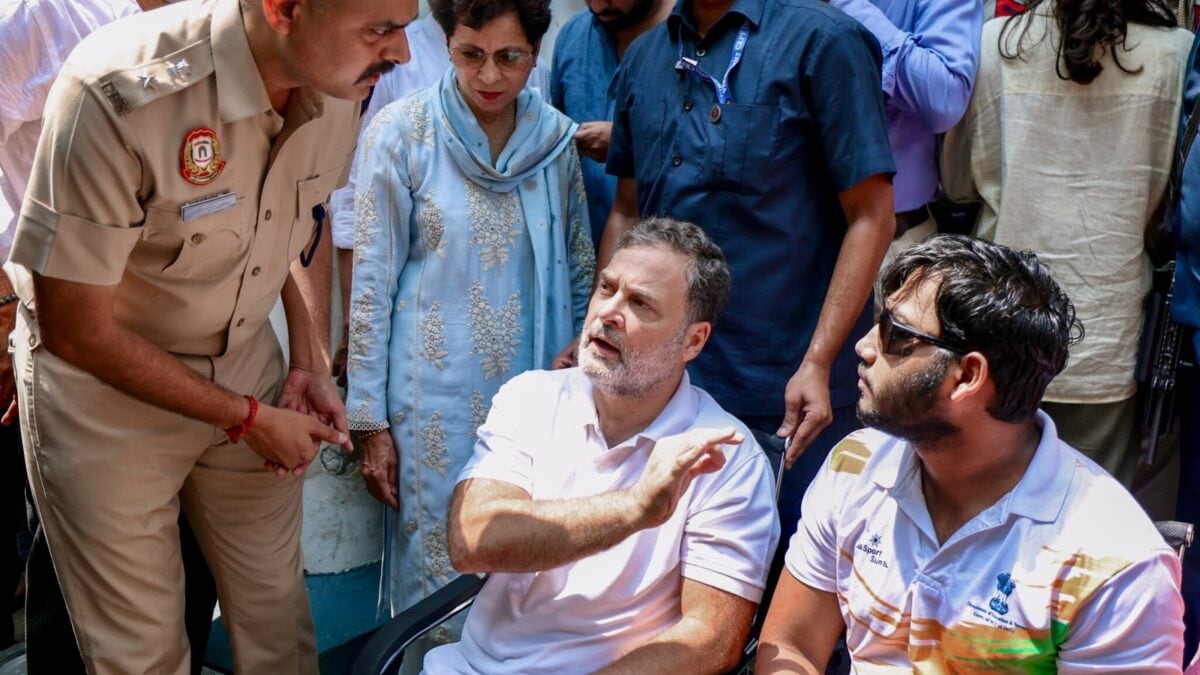
In a compelling narrative that underscores the arduous path to justice for ordinary citizens, Sahil Lochav, a 19-year-old victim of pellet gun shelling, has publicly credited Leader of Opposition Rahul Gandhi for his pivotal intervention. This intervention ultimately led to the registration of a First Information Report (FIR) regarding the incident, a crucial legal document that Lochav alleged police authorities had deliberately stonewalled for days. The incident highlights not just the plight of a single individual, but also the broader challenges faced by citizens in securing timely legal recourse and the impact of political advocacy in navigating bureaucratic inertia.
The Ordeal of a Pellet Gun Victim
The harrowing incident unfolded on July 20, when Sahil Lochav was struck by pellets, suffering severe injuries. The immediate aftermath saw him rushed to Delhi’s Lady Hardinge Hospital, a critical facility where initial treatment was administered. His condition, however, necessitated further specialized care, leading to his referral to the All India Institute of Medical Sciences (AIIMS) for surgery. Despite undergoing the procedure, the young man’s vision remains impaired, a permanent scar from the day’s violence. “But the vision in my eye is still not clear,” Lochav recounted with a palpable sense of grievance, emphasizing the lasting impact of his injuries.
Following the traumatic event and his subsequent medical interventions, Lochav, through his legal counsel, meticulously compiled a seven-page complaint detailing the circumstances of the pellet gun firing. This comprehensive document was formally submitted on August 14, marking the beginning of his protracted struggle to have an official police complaint filed. What should have been a straightforward process under Indian law, where police are mandated to register an FIR upon receipt of information about a cognizable offense, devolved into a bureaucratic nightmare.
The Tangled Web of Police Inaction
Lochav’s lawyer painted a stark picture of the systemic hurdles they encountered, alleging a persistent pattern of police deferral and buck-passing. Their initial approach to the Connaught Place police station was met with redirection to the Parliament Street police station, ostensibly because the incident bore a connection to the sensitive Jantar Mantar area – a frequent site for public demonstrations and protests. Ironically, upon reaching Parliament Street, officials then redirected them back to Connaught Place, asserting that the jurisdiction lay with the latter. This ceaseless shuttling between stations, coupled with prolonged waiting periods and outright refusal to accept the complaint, exemplifies a deep-seated procedural dysfunction that often leaves victims feeling helpless.
“They wouldn’t register the complaint. We were made to sit for a very long period,” Lochav’s lawyer explained, highlighting the frustration of navigating such systemic roadblocks. When conventional avenues proved futile, they attempted to approach the Crime Branch directly, only to be informed that direct submissions were not permissible there. The lawyer further corroborated Lochav’s claims by referencing the medico-legal case (MLC) report from Lady Hardinge Hospital, which explicitly documented “punctured wounds and blood oozing out,” providing irrefutable medical evidence of the assault.
Rahul Gandhi’s Decisive Intervention
The tide began to turn when Rahul Gandhi learned of Lochav’s plight. The political leader, known for his interventions in cases of public grievance, personally reached out to inquire about the young man’s health. It was during this conversation that Lochav revealed the shocking truth: despite weeks having passed since the incident and repeated attempts, an FIR had yet to be registered. Gandhi’s response was immediate and resolute. “He immediately said, ‘Let’s meet tomorrow; I will go and get your FIR filed,’” Lochav recounted, a clear indication of the swift political will brought to bear on the stagnant administrative process.
The next day, true to his word, Rahul Gandhi accompanied Sahil Lochav, engaging directly with police authorities to ensure the complaint was processed. This high-profile intervention cut through the red tape that had ensnared Lochav for weeks. The FIR was finally registered, albeit after an additional eight hours of bureaucratic wrangling even with Gandhi’s presence. “I want to thank him for helping me so much. This FIR is a first step towards justice,” a relieved Lochav stated, emphasizing the crucial role played by the political figure in galvanizing police action. This singular act of political support brought a glimmer of hope to the pellet gun victim.
A Wider Conversation on Police Accountability
This incident is more than just a personal victory for Sahil Lochav; it reignites a vital conversation surrounding police accountability in New Delhi and across India. The initial reluctance of the police to register the FIR, despite clear medical evidence and persistent efforts by the victim, raises serious questions about their adherence to legal protocols and commitment to serving the public. The fact that political intervention was seemingly required to initiate a fundamental legal procedure is a troubling indicator of systemic issues.
The use of pellet guns for crowd control has been a contentious issue in India, particularly in regions prone to unrest, drawing widespread criticism from human rights organizations due to their potential for grievous, often blinding, injuries. Lochav’s case is a stark reminder of these dangers and the need for stricter guidelines or alternative, less lethal methods for managing public gatherings. This situation brings to mind other instances where public demonstrations and their aftermath have highlighted critical issues of governance, such as the persistent Jantar Mantar protests, which often reflect wider systemic failures.
Ultimately, while Lochav’s FIR marks a significant personal milestone, it also casts a spotlight on the imperative for institutional reforms to ensure that all citizens, regardless of their access to influential figures, can access justice promptly and fairly. The experience of this pellet gun victim serves as a potent symbol for many who seek justice against bureaucratic indifference.