
Five charged in Liberia after more than 200kg of cocaine seized in drug bust
Monrovia, Liberia – A staggering discovery at Monrovia’s international airport has sent shockwaves across the nation, leading to a significant Liberia drug bust. Authorities have now charged five individuals in connection with the seizure of over 200 kilograms of cocaine, a haul falsely declared as mundane seasoning cubes and valued at an estimated $19 million (£14.2 million).
The monumental shipment, intercepted on June 8th, remained under wraps until a recent weekend press briefing finally unveiled details and the identities of the accused. Inspector General Gregory Coleman described the operation as a “serious transnational cocaine trafficking operation” that exploited Liberia’s aviation and logistics infrastructure, revealing links to a similar shipment processed just weeks prior in May.
The Impact of the Liberia Drug Bust
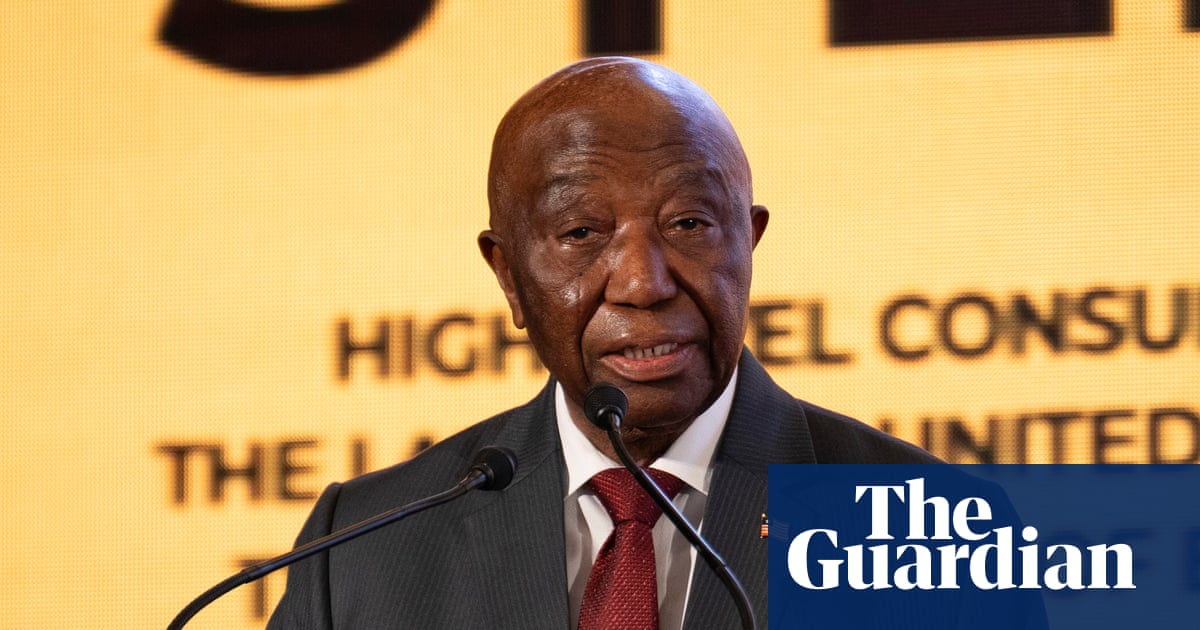
The news ignited a firestorm of public outcry throughout Liberia, prompting President Joseph Boakai to swiftly mandate a joint investigation by the police and the national anti-drug agency. In a firm declaration, President Boakai asserted, “Liberia will not be used as a safe haven, transit point, warehouse, financial centre or operational base by criminal networks engaged in narcotics trafficking.” His words resonate deeply, signaling a resolute stance against organized crime.
However, the initial delay in publicly naming the suspects fueled intense speculation and sparked a heated debate within parliament. Inspector General Coleman faced a special senate hearing amidst public fears that powerful figures might be attempting to interfere with the investigation.
Addressing these concerns, Coleman ultimately announced that evidence pointed to the complicity of the logistics company responsible for handling the illicit cargo. The charges brought against the suspects include transportation, possession, and illicit trafficking of controlled substances, alongside criminal conspiracy. The operations manager of the implicated firm is now in custody in Monrovia, while international arrest warrants, in collaboration with Interpol, are being prepared for those still at large. Intriguingly, one suspect, believed to have been in China during the bust, has yet to return to Liberian soil. Prosecutors even divulged the Dutch phone number and Birmingham postcode of a UK-based individual implicated in the scheme.
This major Liberia drug bust regrettably underscores a growing concern: West Africa, with its vast and often permeable land and sea borders, is increasingly serving as a critical staging post for the flow of narcotics from South America to European markets. This trend is not isolated.
Only in October 2022, a staggering 520 kilograms of cocaine, worth an astounding $100 million (£74.86 million), were seized at Monrovia seaport. Furthermore, one of the suspects recently named was reportedly released from prison earlier in 2024 after an arrest linked to another drug case. The region’s struggle against this illicit trade is undeniable. For more insights into the challenges faced by West African nations, consider exploring further reports.
In neighboring Sierra Leone, for instance, a Guardian investigation revealed in February 2025 that one of Europe’s most wanted drug dealers has sought refuge in Freetown since at least 2022, even reportedly engaging in a serious relationship with the president’s daughter. These regional connections highlight the pervasive nature of transnational crime.
Earlier in May, a monumental international effort involving Spanish, US, and Dutch officials resulted in Europe’s largest-ever cocaine bust, confiscating 45 tonnes valued at €812 million (£694 million). The Comoros-flagged vessel involved in this record seizure had reportedly departed Freetown, listing Libya as its official destination. Another significant drug shipment originating from Freetown was also intercepted en route to Spain in February, painting a grim picture of the routes criminals exploit.