
Footage of Tibet floods isn’t being shown in China – and we know little about victims there
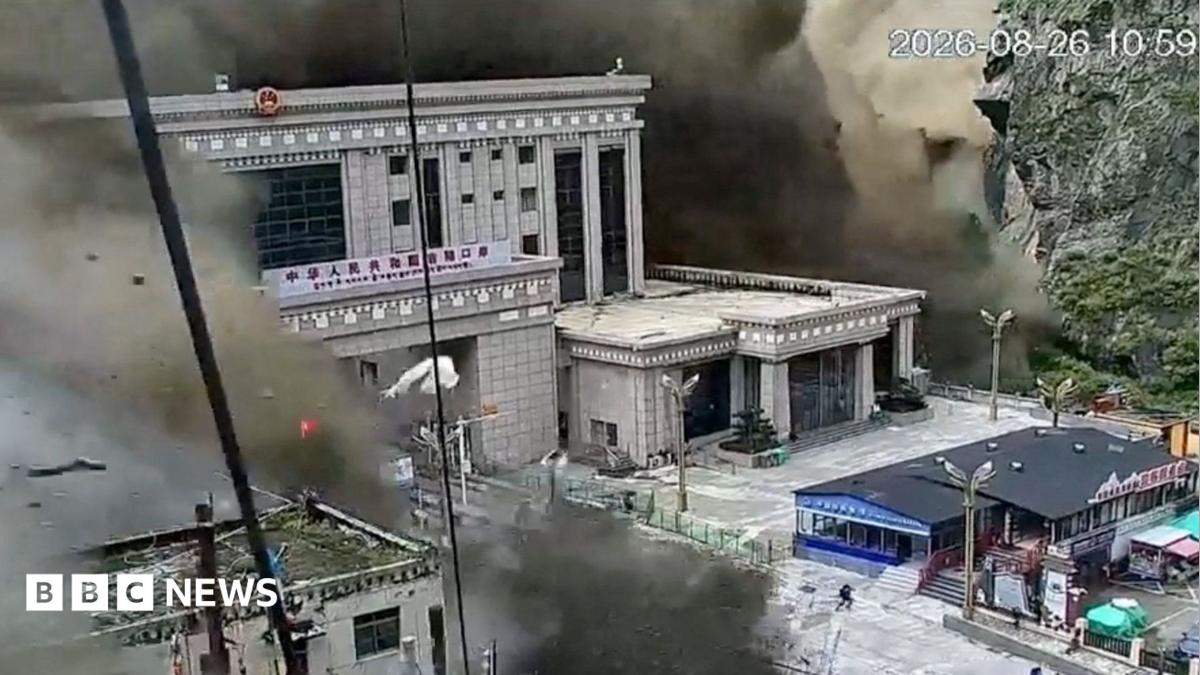
A deluge of water, unleashed by a catastrophic flash flood, ripped through Gyirong Port — a vital border crossing nestled between Nepal and Tibet. The raw, terrifying footage of this natural disaster, showing torrents of mud and water consuming infrastructure and forcing hundreds to flee for their lives, swiftly circulated across global social media platforms and news networks. Yet, in a striking display of information control, the dramatic scenes of the Tibet floods remained largely unseen and unheard within China’s meticulously managed digital landscape. This glaring disparity in coverage has shone an unforgiving light on Beijing’s persistent efforts to control narratives, especially concerning the historically sensitive Tibetan region, even in the face of profound human tragedy.
While the world witnessed the full, devastating scale of the disaster, with hundreds reported dead and countless more missing since Wednesday, China’s state-run media offered a starkly different, almost sterile, account. A solitary still-frame image made its way onto the national news, and locating any substantive video or even detailed textual reports on the heavily censored Chinese internet proved an arduous, if not impossible, task. The silence was deafening, a palpable void where harrowing eyewitness testimonies and urgent calls for information should have resonated.
The Digital Iron Curtain: Why Information on Tibet Floods is Suppressed
Beijing has indeed mounted a substantial rescue operation, deploying hundreds of emergency personnel and convening high-level meetings, including one chaired by President Xi Jinping himself, to coordinate relief efforts. Daily updates are released regarding the missing, the dead, and the precarious situation of a barrier lake threatening further overflow, a concern also highlighted in reports like ‘High risk’ of lake breaching and causing second flood, warns China. However, the official narrative largely focuses on heroic rescue imagery — specialist teams scaling treacherous mountains and navigating raging rivers — without delving into the human stories behind the devastation. There are no survivor accounts, no desperate pleas from anxious families, no user-generated content depicting the deadly moments or their aftermath. For foreign journalists, gaining access to Tibet is already a bureaucratic maze, often proving more challenging than reporting from even the most closed-off nations.
The reasons behind this calculated media blackout are deeply rooted in China’s fraught history with Tibet. Annexed by Beijing in the 1950s, Tibet has long been a region of fierce resistance to Chinese Communist Party rule. Protests have been brutally suppressed, and international bodies have repeatedly accused China of grave human rights abuses in the region, including the severe curtailment of religious freedoms and cultural identity. The exiled spiritual leader, the Dalai Lama, is routinely denounced as a separatist by Beijing.
Stability Above All: Beijing’s Prioritization of Control
This deep-seated sensitivity means the very name ‘Tibet’ acts as a potent trigger for China’s vast internet censorship system, often referred to as the Great Firewall of China. During moments of crisis, like these devastating Tibet floods, Beijing’s anxieties are amplified. Premier Li Qiang’s swift visit to the affected area, inspecting debris removal, underscores the government’s concern, not merely for the disaster itself, but for its potential to destabilize the carefully curated image of national harmony.
The Communist Party’s overarching priority is the maintenance of ‘stability’ – a cornerstone of President Xi Jinping’s governance. A major disaster, particularly in a region with a history of dissent and where faith plays a central role in community life, could easily spark discontent. This concern is not left to chance; the party apparatus works relentlessly to pre-empt any such outcome. Local party offices issued explicit directives urging members to assist in relief efforts while simultaneously instructing them to “make every effort to maintain social order and ensure stability and public confidence in the disaster areas.” The message was clear: compliance would be rewarded, failure held accountable.
For Tibetans living abroad, seeking information about their loved ones amidst the silence has become an agonizing ordeal. Rights activists confirm that speaking to journalists or posting unapproved content online can lead to detention or arrest within the region, effectively stifling independent voices. The International Campaign for Tibet has commended first responders but unequivocally called upon Chinese authorities to “disclose complete and verifiable information about the damage and casualties,” lamenting the removal of first-hand accounts from social media.
The lack of transparency following these horrific Tibet floods extends beyond a mere information gap; it represents a deliberate act of control, shaping perception and suppressing potential dissent. While relief efforts are undoubtedly critical, the absence of open communication, survivor stories, and independent reporting leaves the world – and crucially, the people of China – largely in the dark about the true human cost of this tragedy. This situation is reminiscent of other regional crises, such as the Nepal Glacier Collapse, where comprehensive details are vital for understanding the full impact.
Ultimately, the story of the Tibet floods is not just about a natural catastrophe, but about the profound implications of state control over information, even when human lives hang in the balance. It’s a stark reminder that while floods may sweep away physical structures, the suppression of truth can erode something far more fundamental: trust and human connection.