
‘High risk’ of lake breaching and causing second flood, warns China
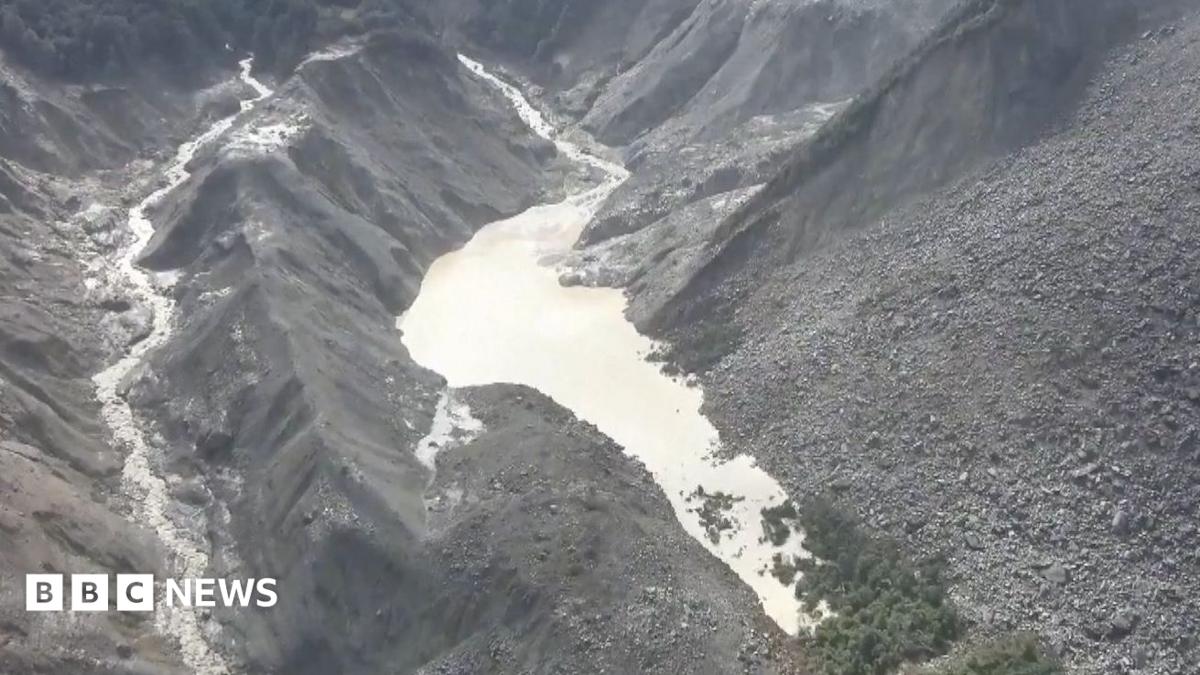
A chilling warning has emanated from China, sending ripples of apprehension across the Himalayan region. Authorities have declared a “high risk” of a newly formed barrier lake near the Nepal-Tibet border breaching its banks, a perilous development that could unleash a devastating second wave of floods downstream. This grave pronouncement follows closely on the heels of a catastrophic flash flood that recently ravaged the same area, leaving a trail of destruction and significant loss of life in its wake. The precarious situation demands urgent attention and concerted efforts to avert further tragedy, particularly as the region braces for more adverse weather.
Understanding the Peril: The Barrier Lake Phenomenon
For those unfamiliar, a barrier lake is a body of water impounded by a natural dam, often formed by a landslide, glacial debris, or other geological events that block a river’s course. In this instance, the lake has emerged at the confluence of the Chhochen Khola and Purepu Tsangpo rivers, a critical geographical juncture near the Langtang Lirung peak. This mountain is believed to be the origin point for the collapsed glacier that precipitated Wednesday’s initial deadly flash flood. Scientists suggest the initial calamitous event was likely triggered by the dramatic collapse of a mountain glacier into a river, a process that can lead to this volatile geological phenomenon known as a glacial lake outburst flood.
The sheer volume of water accumulating in this nascent barrier lake is staggering. As of Friday, state broadcaster CCTV reported an estimated 2.5 million cubic metres of water had already pooled. Forecasts from officials painted an even graver picture, anticipating an additional three million cubic metres to flow into the lake between Thursday and the weekend. Compounding this precarious scenario, state media has warned of heavy rain in the coming days, which would inevitably exacerbate the pressure on the natural dam and heighten the risk of an catastrophic overflow.
The Immediate Threat and Forecast
The urgency of the situation cannot be overstated. China’s Ministry of Water Resources confirmed that the barrier lake had already begun to overflow on Thursday, a clear indication of the immense pressure building within its makeshift confines. This continuous overflow is what prompted the initial suspension of most Chinese emergency services’ operations near Gyirong Port, the vital land crossing connecting Nepal and China that bore the brunt of Wednesday’s devastation. Workers were halted approximately 7km (4 miles) from the port, out of grave concern that further overflows or debris flows could occur at any moment, imperiling rescue personnel.
By Friday afternoon, however, state media offered a glimmer of hope, reporting that the “risk from the upstream barrier lake had come under control,” allowing rescue operations to tentatively resume. This development, while positive, underscores the dynamic and unpredictable nature of such events. Authorities have deployed engineering teams to meticulously monitor the lake’s water levels and prevailing atmospheric conditions. Drones have become indispensable tools, delivering vital equipment and supplies to remote and inaccessible areas, showcasing the blend of human resolve and technological ingenuity in the face of immense natural power.
Wider Regional Impact and Environmental Concerns
Beyond the immediate threat, Nepali authorities have issued their own urgent warnings regarding the potential for further blockages and subsequent floods along the Bhote Koshi and Trishuli rivers. Residents and travelers have been sternly advised to maintain a safe distance from these waterways until further notice, highlighting the far-reaching geographical impact of the initial disaster and the subsequent risks. The initial catastrophic flash floods claimed several hundred lives in Nepal, with hundreds more still unaccounted for. On the Tibetan side of the border, the casualty figures are equally harrowing, with over 550 individuals reported missing, nearly half of whom are foreign nationals. The human toll serves as a stark reminder of the devastating power of nature and the vulnerability of communities nestled within these majestic, yet volatile, mountain ranges.
The tragedy serves as a poignant illustration of the interconnectedness of global environmental systems. Experts increasingly point to earlier flood event likely being driven by broader climatic shifts, with rapidly melting glaciers contributing to a heightened frequency of these natural hazards in vulnerable mountain ecosystems. The region, already prone to seismic activity and extreme weather patterns, finds itself grappling with a complex interplay of natural forces and human consequences, demanding international cooperation and long-term strategies for resilience and adaptation. The continuous monitoring of this evolving barrier lake is paramount, as the future of countless lives downstream hangs in a delicate balance.