
Germany says US troop withdrawal ‘foreseeable’ as Nato seeks clarification
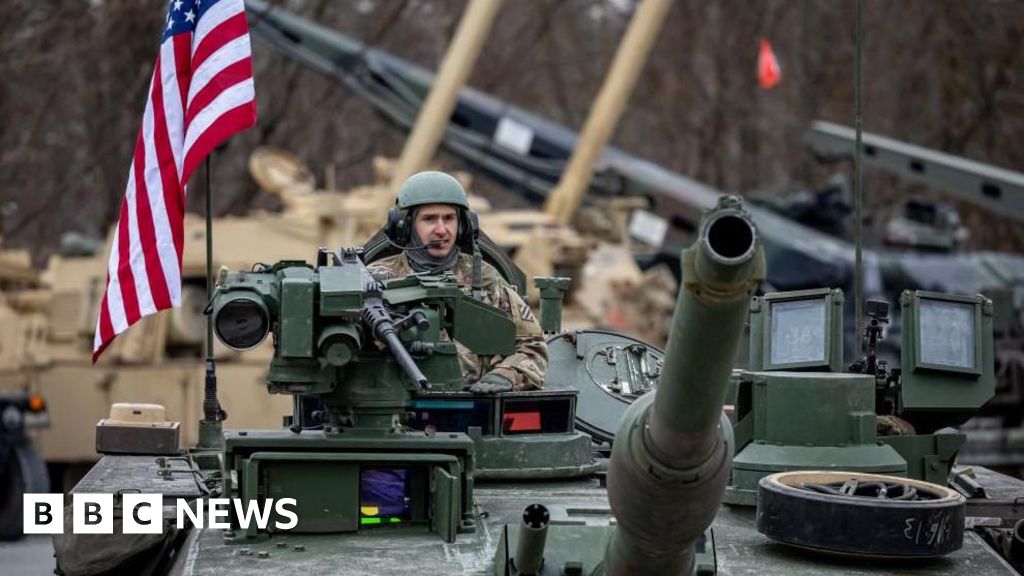
BERLIN – Germany’s Defense Minister, Boris Pistorius, has characterized the impending US troop withdrawal of 5,000 personnel from German soil as “foreseeable.” This declaration comes amidst frantic efforts by the NATO military alliance to secure immediate clarification from Washington regarding the move, which threatens to reshape the delicate balance of European security.
Pistorius, speaking to the DPA news agency, underscored a crucial point: “The presence of American soldiers in Europe, and particularly in Germany, is in our interest and in the interest of the US.” His words highlight a longstanding mutual benefit now seemingly overlooked by the current White House administration. Meanwhile, NATO spokeswoman Allison Hart confirmed the alliance is “working with the US to understand the details of their decision,” signaling an urgent need for transparency.
The Precedent Behind US Troop Withdrawal
This latest directive from Washington follows a sharp exchange between President Donald Trump and German Chancellor Friedrich Merz. Trump reportedly reacted strongly to Merz’s assertion that the US had been “humiliated” by Iranian negotiators in the ongoing geopolitical struggle. Such comments appear to have precipitated an accelerated decision on the US troop withdrawal, which could see numbers slashed far beyond the initially reported 5,000, as hinted by Trump himself. “We’re going to cut way down, and we’re cutting a lot further than 5,000,” he stated over the weekend, offering no further specifics.
Germany currently hosts the largest US military contingent in Europe, boasting over 36,000 active-duty troops. This figure dwarfs deployments in other key allies like Italy (around 12,000) and the UK (10,000). Trump’s strategy appears to involve a broader redeployment, having previously floated the idea of reducing forces in Italy and Spain. Last year, a similar drawdown occurred in Romania, reflecting a strategic pivot towards the Indo-Pacific region, a move that has left many European allies unsettled.
Concerns are mounting within the 32-member NATO alliance that this unilateral decision could severely undermine the organization’s collective strength. Polish Prime Minister Donald Tusk issued a stark warning: “The greatest threat to the transatlantic community are not its external enemies, but the ongoing disintegration of our alliance.” To gain a deeper insight into NATO’s composition and purpose, one can explore further. Echoing this sentiment, two senior Republican lawmakers, Senator Roger Wicker and Representative Mike Rogers, expressed “very concerned” about the brigade’s removal, emphasizing that maintaining a robust deterrent in Europe remains firmly in America’s interest.
Germany Steps Up to a New Reality
In the face of potential American disengagement, Berlin is taking proactive steps. Defense Minister Pistorius emphasized Europe’s imperative to assume greater responsibility for its own security. Germany, he noted, is “on the right track,” citing significant increases in military expenditure. Once criticized by Trump for being “delinquent” in its defense contributions, Germany under the Merz government projects an expenditure of €105.8bn (£91bn) by 2027, pushing its defense spending to 3.1% of GDP when factoring in aid to Ukraine. This dramatic shift underscores a clear message: Europe is preparing for a new era of self-reliance, spurred partly by the contentious US troop withdrawal discussions.
The Pentagon confirmed Defence Secretary Pete Hegseth ordered the withdrawal, anticipating completion within six to twelve months. This development follows a period where Trump, a vocal critic of the NATO alliance, has chastised allies for their reluctance to participate in operations to reopen the Strait of Hormuz amidst escalating tensions with Iran.