
Newborn twins fight for survival as conflict fuels Yemen’s hunger crisis
Introduction and Key Takeaways
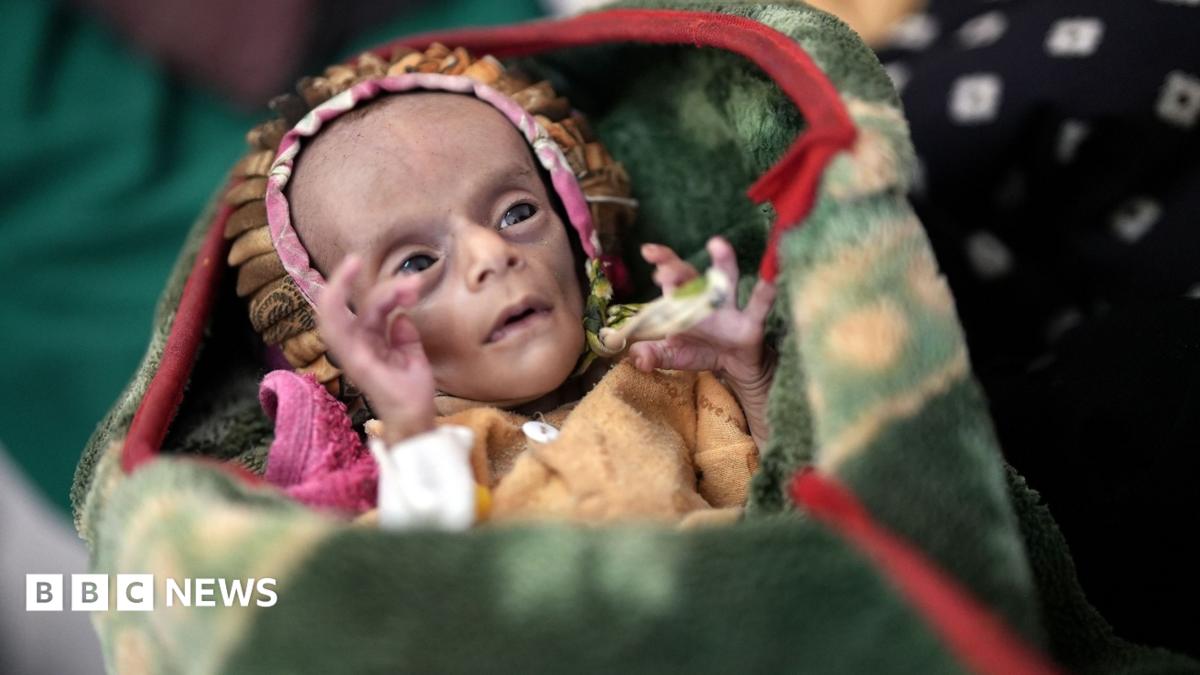
The humanitarian catastrophe in Yemen has reached a harrowing new zenith. As conflict intensifies across the nation, newborn twins Raghad and Raad Hassan stand as the tragic faces of a crumbling infrastructure and an escalating hunger crisis. Their fight for survival in a resource-starved Aden hospital highlights the lethal synergy between geopolitical instability and public health collapse. This crisis, while rooted in years of civil war, has recently gained a terrifying momentum due to a total breakdown of informal ceasefires.
- The collapse of informal ceasefires has led to over 250,000 new displacements in just three months.
- Approximately 800,000 individuals currently lack access to essential, life-saving international aid.
- Medical facilities are operating under extreme strain, with severe equipment shortages and patient overflow.
- The United Nations continues to report that food insecurity is now a primary driver of child mortality.
Background and Context: The Yemen Hunger Crisis
The Yemen hunger crisis is not a sudden phenomenon, but rather the result of a long-standing, multi-layered civil war. The conflict, pitting Houthi rebels against internationally recognized government forces, has transformed large swaths of the country into battlefields. When the Houthi forces advanced toward the Kahboub mountains, the displacement of families like the Hassans became inevitable. Forced to flee with nothing but the clothes on their backs, families are finding that the journey to safety is often more dangerous than the conflict they escaped.
Root Cause and Deep Dive Analysis
Why is the situation worsening now? The answer lies in the total rupture of temporary peace agreements. As military fronts shift, particularly around the crucial port of Aden and the besieged city of Taiz, the supply lines for food and medicine have been severed. In the case of the Hassan twins, their condition was exacerbated by the hyper-inflation of basic commodities. As a shepherd who lost his livelihood, their father can no longer afford even the most basic baby formula. This economic paralysis turns common illnesses and premature births into life-or-death struggles. Local hospitals, struggling with reduced international funding, are effectively forced to act as triage centers for a population that has been left entirely destitute.
Strategic Implications and Future Impact
The geopolitical ramifications of this instability are vast. As the region remains in a state of flux, the persistent lack of aid creates a vacuum of influence and despair. When the global community fails to provide sustained support for malnutrition units, the long-term impact on the regional demographic is devastating. An entire generation of children, suffering from the physical and cognitive effects of early-childhood malnutrition, will inevitably struggle with development, creating a cycle of poverty and dependence that will haunt the region for decades to come. The inability to secure medical equipment, such as ventilation machines, underscores how a lack of political resolve results in tangible casualties on the ground.
Conclusion and What to Watch Next
The survival of children like Raghad and Raad is emblematic of the broader struggle for humanity in a theater of war. As observers, we must monitor whether international humanitarian aid corridors can be reopened or if the current geopolitical deadlock will lead to further regional deterioration. The situation in Aden remains a barometer for the nation; if hospitals there continue to turn away patients due to a lack of resources, the outlook for millions remains dire. We are witnessing the slow-motion tragedy of a nation consuming its own future, one child at a time.