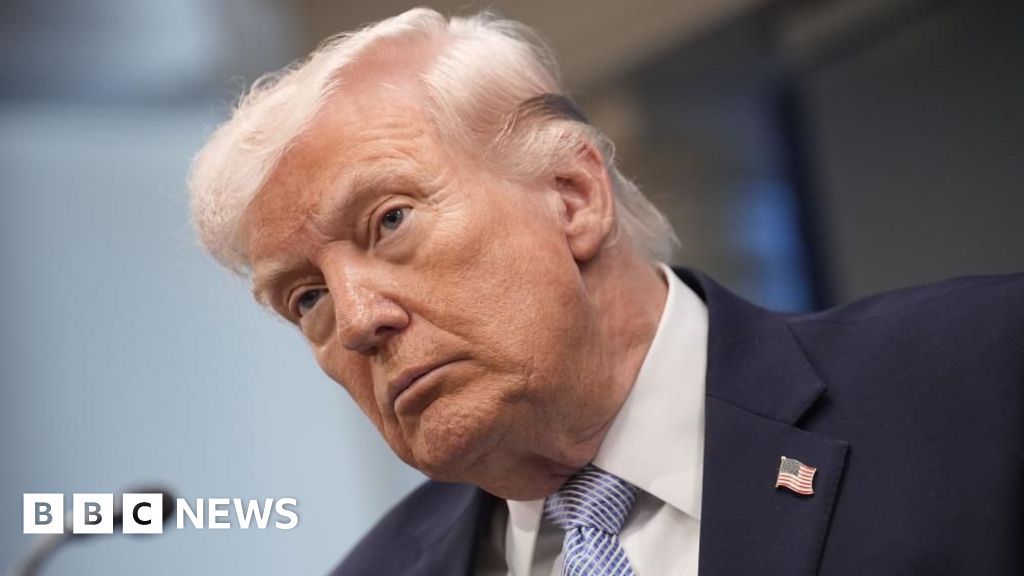
A diplomatic tightrope walk culminated in a tense, last-minute announcement from President Donald Trump: a provisional Iran ceasefire had been struck. This unexpected truce, revealed via social media just hours before a threatened US strike, offers a tenuous reprieve in a spiraling confrontation with Tehran. The world watches, holding its breath, as two weeks of intense negotiations now loom.
Washington buzzed with apprehension as Trump’s 8:00 PM EDT deadline approached, a stark ultimatum promising “massive strikes” against Iranian infrastructure if no agreement materialized. Suddenly, a digital declaration from the President himself: the US and Iran were “very far along” with a “definitive” peace agreement, and he had agreed to a two-week pause to allow negotiations to proceed.
This dramatic pivot allowed Trump to escape a perilous decision point, where he faced either an unthinkable escalation or a perceived climb-down. The initial market reaction was swift, with the price of a barrel of oil dropping below the $100 mark for the first time in days and US stock futures soaring in after-hours trading, signaling a collective sigh of relief that the immediate crisis might be averted.
Beyond the Immediate Iran Ceasefire: Lingering Doubts
However, the deal’s fragile nature quickly became apparent. Iran’s agreement hinges on halting hostilities and fully opening the Strait of Hormuz to commercial shipping traffic, yet Tehran simultaneously insists on its “dominion” over the crucial waterway. This Iran ceasefire merely buys time, a pause before potentially tougher talks, and hardly a permanent settlement.
Trump’s incendiary rhetoric leading up to the deadline, including a chilling threat of Iranian “civilization” being obliterated, shocked observers globally. Such a declaration from an American president is unparalleled in modern history, fundamentally reshaping international perceptions of US leadership. Even if this temporary reprieve blossoms into lasting peace, the geopolitical landscape has been irrevocably altered. A nation once seen as a force for stability around the globe now frequently upends international norms.
Domestically, the reaction was swift and sharp. Democrats, led by figures like Congressman Joaquin Castro, questioned the President’s fitness, with some even calling for his removal. Senator Chuck Schumer minced no words, daring Republicans to “own every consequence” if they failed to back an end to the conflict.
Even within his own party, Trump faced unusual criticism. While many remained steadfast, prominent Republicans like Congressman Austin Scott and Senator Ron Johnson voiced strong disagreement with the President’s threats, labeling them “counter-productive” and a “huge mistake.” Senator Lisa Murkowski was equally direct, stating the threat “cannot be excused away as an attempt to gain leverage.”
The White House, predictably, will frame this as a victory, arguing the “leverage worked.” For a president facing dwindling approval and economic headwinds, any de-escalation offers political breathing room. Trump himself claimed the US had “met and exceeded” all military objectives, citing degraded Iranian forces and eliminated leaders. For ongoing updates on global affairs, readers can always follow the latest developments.
Yet, many core objectives remain elusive. The disposition of Iran’s enriched uranium, the very foundation of its nuclear weapons program, is unknown. The nation still wields influence over regional proxies, such as the Houthi rebels in Yemen. Furthermore, Iran’s foreign minister outlined a demanding 10-point plan following the truce, including US military withdrawal from the region, the lifting of economic sanctions, compensation for war damages, and Iran maintaining control over Hormuz – conditions Trump is unlikely to ever accept. The long-term costs of this conflict, and particularly the rhetoric preceding this Iran ceasefire, are still being tabulated.
About the Author