
Iran says deal with Oman on Strait of Hormuz is in final stages
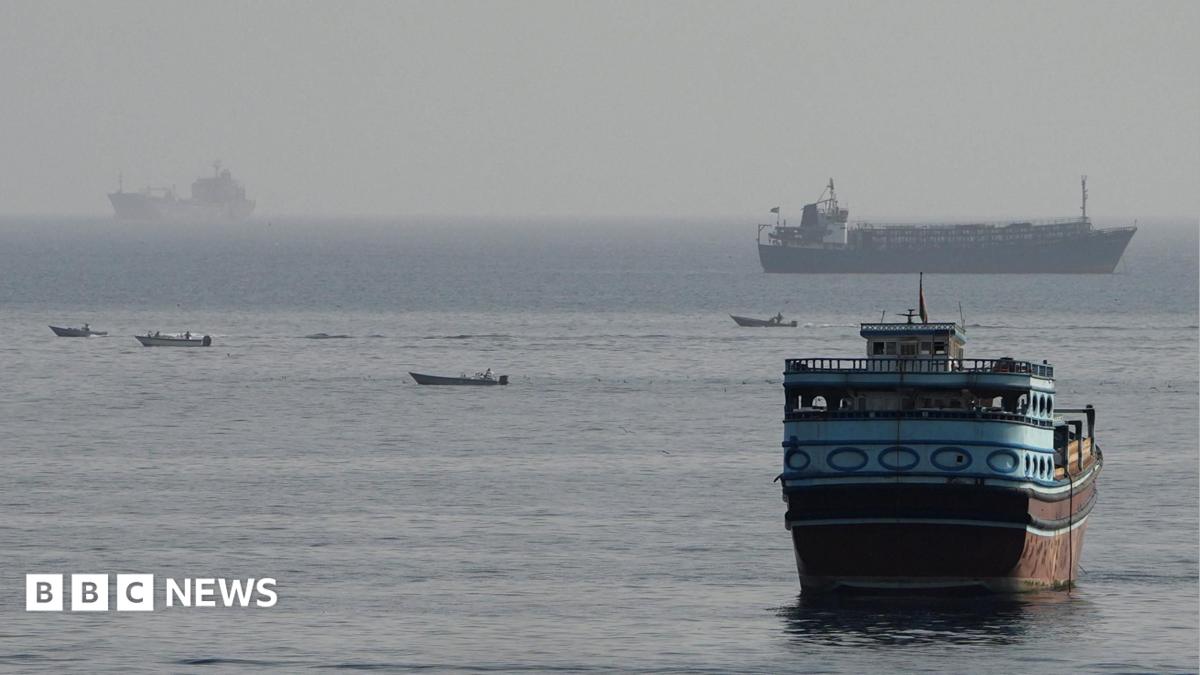
In a development poised to reshape global energy flows, Iran has announced it is on the cusp of finalizing a significant Strait of Hormuz deal with neighboring Oman. This agreement, which could establish a designated shipping route through the critical waterway, comes amidst heightened regional tensions and persistent concerns regarding maritime security.
Foreign Ministry spokesman Esmaeil Baqaei, speaking to state media, confirmed the pact was in its “final stages.” He offered scant details on the specifics of the arrangement, leaving many questions unanswered about its practical implementation. However, Baqaei concurrently issued a stark warning: any deal with Oman would not, in itself, guarantee safe passage, citing the lingering impact of the United States’ naval blockade on Iranian ports.
The US and Oman have, notably, remained silent on Iran’s assertions. Since a joint US-Israeli assault on Iran in February, Tehran has largely obstructed the Strait of Hormuz, a choke point through which approximately one-fifth of the world’s crude oil and liquefied natural gas (LNG) traditionally traverses. The ongoing closure has sent shockwaves through global markets, prompting fears of severe supply disruptions.
The Diplomatic Chess Game and the Strait of Hormuz Deal
Just days prior to Iran’s announcement, US President Donald Trump issued a stern ultimatum, threatening “very hard” repercussions if the strait remained closed for much longer. These remarks followed statements from senior US officials hinting at progress in negotiations to resume shipments. Yet, Iran staunchly maintains it is not, and has no intention of, engaging in direct talks with Washington.
According to Baqaei, the “geographical coordinates of the route” have already been mutually agreed upon with Oman. Deputy Foreign Minister Kazem Gharibabadi later clarified to Iran’s official Irna news agency that this proposed route would be temporary, potentially operating for a period of two to four months. The lack of detailed information fuels speculation about the true scope and fragility of this emerging accord.
The economic ramifications of the prolonged standoff are undeniable. Oil prices, though showing a slight dip on Thursday, have experienced significant volatility. Global benchmark Brent crude registered a modest 0.3% decrease to $79.24 (£58.84) in early Asian trading, reflecting the market’s anxious monitoring of the situation in the Persian Gulf. This vital maritime artery, responsible for transporting roughly 20% of the globe’s oil and LNG, has seen traffic dwindle dramatically since the conflict began. Iran has unequivocally stated that all passage requires prior clearance, enforcing this directive with force against vessels that have disregarded its orders.
A central point of contention between Tehran and Washington revolves around Iran’s controversial demand for transit fees. Tehran reportedly seeks fees ranging from 5% to 7% of cargo values, while Oman is said to be negotiating for approximately 3%. Washington, conversely, advocates for fee-free passage, underscoring the deep ideological and economic chasm separating the two powers. Furthermore, reports indicate the proposed Strait of Hormuz deal would grant Tehran oversight of ships entering the Gulf.
This isn’t the first attempt at de-escalation. A Memorandum of Understanding (MoU) signed in June between Iran and the US, aiming to cease hostilities and reopen the strait within 60 days, swiftly unraveled. Diplomatic talks collapsed, leading to a swift resumption of tit-for-tat attacks. The US continues to enforce a naval blockade on Iranian ports, complementing another blockade imposed by Yemen’s Iran-backed Houthis on Saudi Arabian ports in the Red Sea since July 20th.
The origins of this latest conflict trace back to widespread US and Israeli strikes on Iran on February 28th. Iran’s swift retaliation against Israel and US allies in the Gulf effectively sealed the Strait of Hormuz. Tragically, these initial strikes also claimed the life of then-Supreme Leader Ayatollah Ali Khamenei, who was succeeded by his son, Mojtaba Khamenei. The younger Khamenei, wounded in the attacks, has not been seen publicly since, fueling whispers and concerns about his well-being and influence. President Masoud Pezeshkian acknowledged on Wednesday that communicating with Khamenei was “difficult at the moment,” though he stressed his presence remains a “very great source of strength.” The shrouded figure of the new Supreme Leader adds another layer of complexity to the already labyrinthine geopolitical landscape.
For more detailed information on international maritime operations and trade routes, you can visit the official website of the International Maritime Organization.