
Can Iran enforce a restricted zone in the Strait of Hormuz?
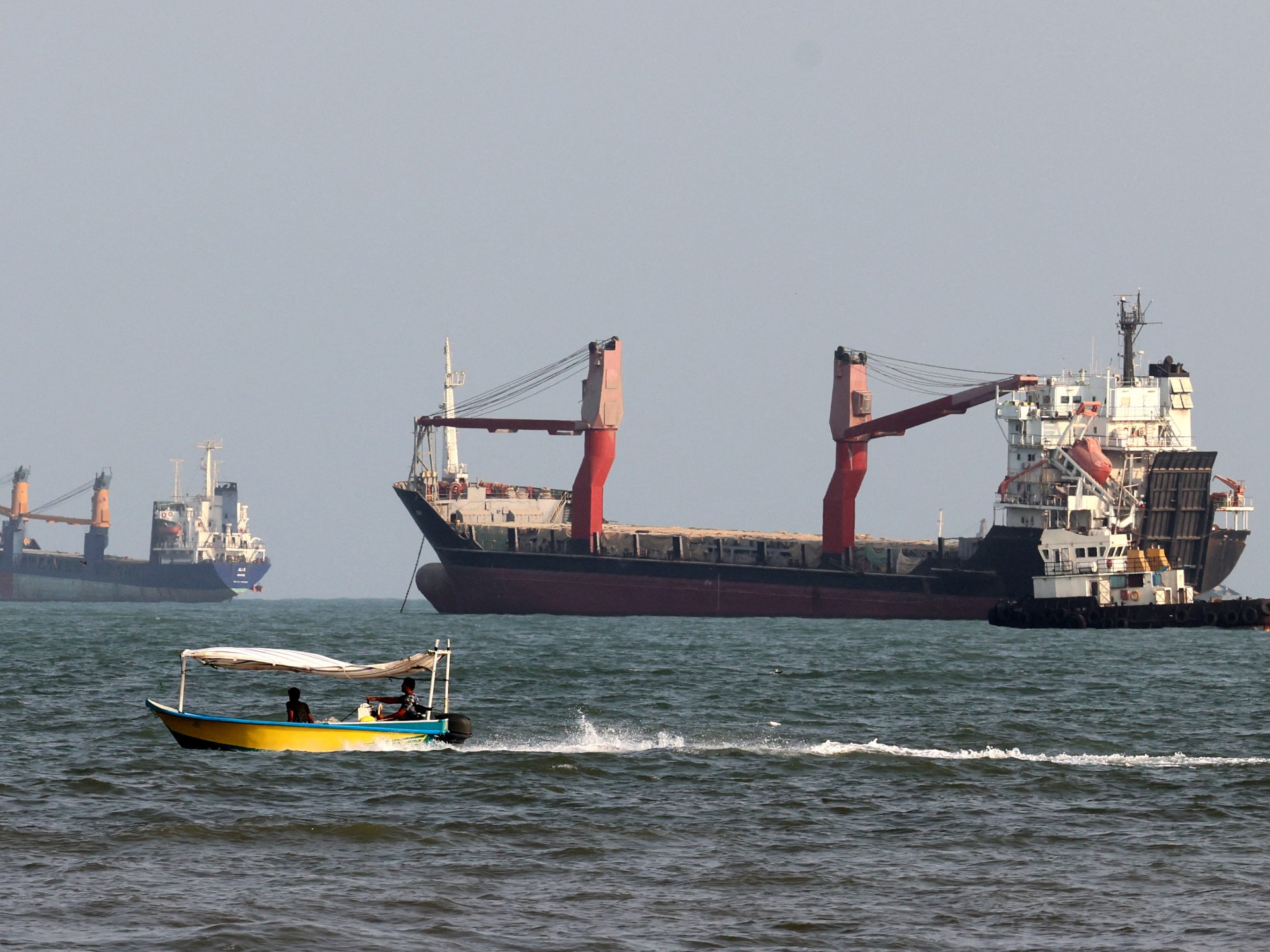
The geopolitical chessboard of the Middle East has seen another audacious move, with Iran announcing its intention to establish a new restricted zone around the Strait of Hormuz. This critical waterway, a global energy chokepoint through which a significant portion of the world’s oil and gas traverses, is once again at the epicentre of escalating tensions between Tehran and Washington. This declaration comes amidst a renewed flurry of on-and-off naval confrontations, turning the vital maritime passage into a high-stakes arena for both economic and military posturing.
Escalation in the Strait of Hormuz: A Dangerous Game
The latest uptick in hostility follows the expiration of a 60-day memorandum of understanding (MoU) signed on June 17, which had offered a brief, fragile reprieve from months of military skirmishes. Its collapse plunged the region back into uncertainty, igniting a dangerous cycle of reciprocal attacks. Iran’s military forces reportedly targeted US warships and oil tankers, accusing them of attempting to circumvent a Tehran-imposed blockade. Conversely, a robust US naval blockade of Iranian ports has severely choked Iran’s vital oil and trade lifelines. The fundamental disagreement over ultimate control of the Strait of Hormuz—a leverage point consistently utilized by Iran—was the undoing of the two-month truce.
Oil tankers, silent behemoths of global commerce, have inadvertently become the latest pawns in what some analysts describe as a broader US-Israel strategy against Iran. Tehran has consistently issued stern warnings to vessels traversing unauthorized routes through the Strait, especially as reports surfaced of increasing defiance. Before this intensified conflict, an astonishing 20 percent of the world’s daily oil and gas supplies flowed through this narrow, yet immensely significant, passage. The implications of any sustained disruption are, quite simply, global.
Tehran’s Ambitious Restricted Zone
The specifics of Iran’s proposed restricted zone remain somewhat veiled, adding to the prevailing uncertainty. Mohsen Rezaei, Secretary of Iran’s Supreme National Security Council, stated the zone would be announced imminently. “This zone will start from the US Navy’s blockade line and include areas of the Persian Gulf,” he declared, according to state media. “Any ship entering this new zone will be placed on the sanctions list [of Iran].” Rezaei elaborated that the zone would “begin from the line of the US naval blockade, extend toward the Strait of Hormuz, and from this side continue into the Persian Gulf.”
Crucially, Tehran has been less forthcoming about the precise geographical demarcation or the practical consequences of being placed on its “sanctions list.” Such vagueness, whether intentional or not, amplifies deterrence and injects greater risk into commercial navigation. Rezaei indicated that new maps, detailing shipping routes collaboratively developed with Oman, would soon be approved. “The maps of a new international corridor which lies in Iranian and Omani waters and in which Iran will have management have been agreed and should be signed in the coming days,” he asserted. His stark ultimatum underscored Iran’s position: “We will only commit to the Strait of Hormuz being open when they [the Americans] stop the sabotage, threats and attacks on Iran.” This echoes previous statements, like Deputy Foreign Minister Kazem Gharibabadi’s declaration last month about a temporary maritime route agreement with Oman, hinting at shared management in these turbulent waters.
The World Responds to Iran’s Claims
The international community’s response to Rezaei’s specific announcement of a new restricted zone has been largely muted, perhaps awaiting further clarity. However, broader tensions continue to simmer. Washington vehemently refuted an Iranian claim on Sunday that a US vessel had unlawfully entered a restricted area and subsequently faced attack. US Central Command (CENTCOM) spokesperson Captain Tim Hawkins unequivocally dismissed the Iranian account as “a total lie.” This public denial follows closely on the heels of the US targeting three Iranian oil tankers, which it alleged were financing regional proxy groups. In a tit-for-tat escalation, Tehran responded by striking other tankers and launching a ballistic missile toward US warships patrolling near the Strait of Hormuz. Such conflicting reports and retaliatory actions keep the global community on edge, highlighting the fragility of peace in this vital corridor.
Navigational Dilemmas: Competing Routes and Reduced Traffic
Iran has long sought to dictate navigational terms in the Strait. As early as April, Tehran published a map of its preferred routes, pushing vessels significantly closer to the Iranian coastline. This attempt at control clashed with a separate corridor advocated by Oman, developed in conjunction with the International Maritime Organization (IMO), a United Nations agency responsible for global shipping safety. Oman’s proposal, a southern corridor, aimed to re-establish safe passage. When a Liberian-flagged tanker, the Stoic Warrior, opted for a route near the coasts of the UAE and Oman, bypassing Iran’s dictated path, the Islamic Revolutionary Guard Corps (IRGC) swiftly objected. They declared their route as “the only authorised route” and warned of “unacceptable and extremely dangerous” consequences for non-compliance. These conflicting directives create dangerous ambiguity for maritime traffic, forcing shipping companies to weigh geopolitical risks against economic imperatives.
The impact on commercial shipping has been stark. Before recent escalations, approximately 20 million barrels of crude oil flowed through the waterway daily. US Energy Secretary Chris Wright noted current transits hover around nine million barrels per day. Even with bypassing pipelines, flows are estimated at “two-thirds or more of pre-conflict levels.” Wright confidently asserted, “Iranians are still causing trouble, but the United States Navy is winning that battle.” This claim found some corroboration from the UK Maritime Trade Operations (UKMTO) Centre, reporting 59 ships traversing the Strait in a recent 48-hour period. However, other maritime tracking firms present a more sobering picture. Kpler, a marine analytics firm, reported an average of merely 10 commodity ships daily over a recent 10-day span – the lowest since May. Before renewed hostilities in February, over 130 ships navigated the Strait daily. The sheer disparity in figures underscores the fractured reality of maritime activity and the undeniable chill cast over global trade. The nuclear program, once the ostensible casus belli for renewed US-Israeli pressure, has notably receded from daily headlines, overshadowed by the immediate crisis in the Strait.
The Feasibility of Enforcement and Strategic Ambiguity
The critical question remains: can Iran militarily enforce this expanded restricted zone, particularly against vessels enjoying the protection of the formidable US Navy? Tehran has certainly demonstrated its capacity to render passage through Hormuz perilous, prompting many ships to divert. Since March, a grim tally of at least 19 seafarers have lost their lives, and dozens of ships have suffered attacks. However, enforcing a significantly broader zone against a militarily superior adversary is an entirely different proposition.
Stephen Zunes, a respected authority and founding chair of Middle Eastern Studies at the University of San Francisco, expressed skepticism regarding Iran’s ability to enforce such a comprehensive zone. “It’s hard to see how they will really be able to enforce it. Iranian ships and planes trying to enforce that would be very vulnerable to US attacks,” Zunes told Al Jazeera. He posited that Iran’s announcement might serve primarily as a warning, aiming to instill sufficient risk for shipping companies to reconsider unapproved passage. Zunes also speculated on potential ulterior motives, suggesting Iran might be seeking to provoke a wider US military response. Such a scenario, he argued, could offer Tehran political advantages, “justifying attacks” on neighboring Gulf states and US military installations, while simultaneously fostering a “rally around the flag” effect among its populace amidst mounting economic hardships. The complexities of this geopolitical standoff extend beyond mere shipping routes; they delve into the heart of regional power dynamics and international law. The Strait of Hormuz is not merely a geographic feature but a geopolitical hotbed, crucial to global stability.
Furthermore, Zunes highlighted a possible linkage between Iran’s restricted zone plan and its ongoing negotiations with Oman regarding shipping routes. If a mutually agreeable deal emerges from these talks, one that satisfies US concerns, Iran might “pull back” from aggressively enforcing its proposed zone. Conversely, if negotiations falter, Tehran would have “something ready to try to make it more problematic for Washington” to reject the deal with Oman. This strategic ambiguity allows Iran to maintain leverage, keeping its adversaries guessing while attempting to carve out a more favorable position in the intricate maritime geopolitics of the Persian Gulf.