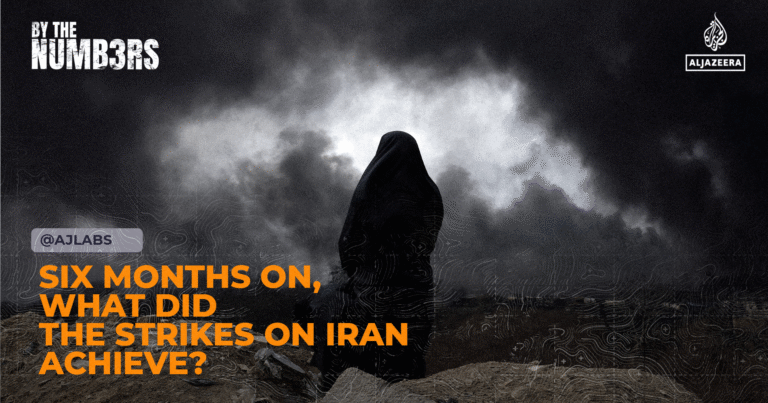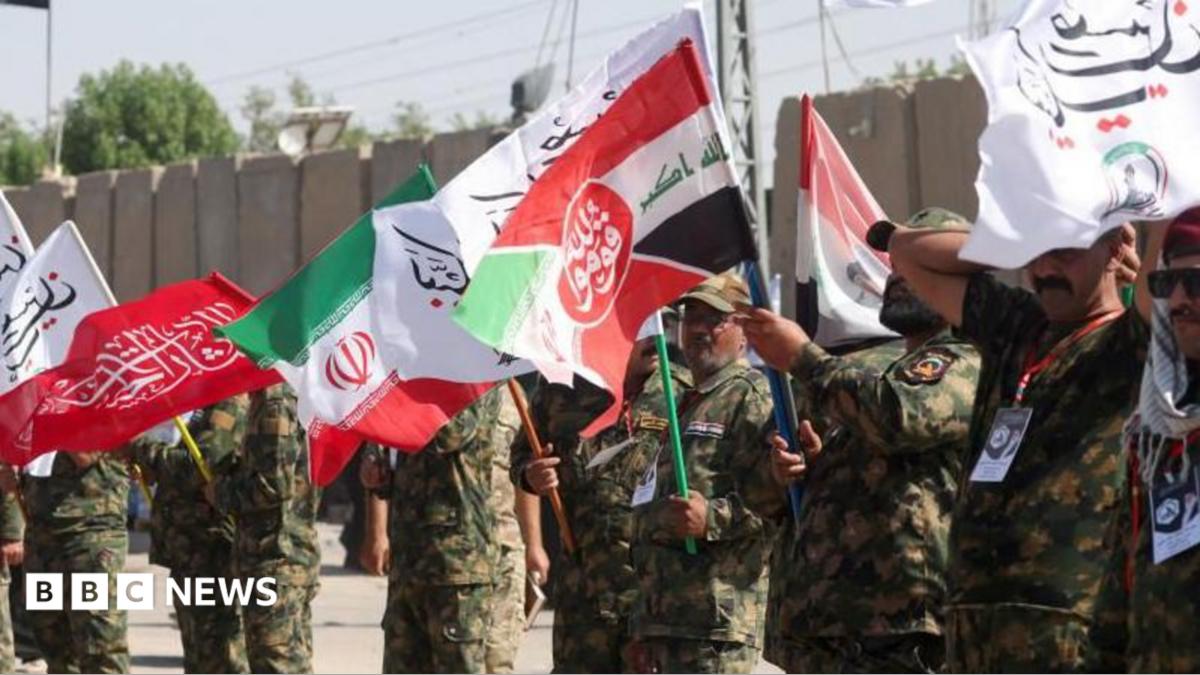
The geopolitical chessboard of the Middle East trembles once more. A harrowing new chapter in the global geopolitical analyses of regional instability has unfurled, plunging nations into an intensified US Iran conflict. Tehran, with calculated ferocity, has unleashed fresh barrages upon American military installations situated across its Gulf neighbors, while Washington, in a symmetrical show of force, hammered sites deep within Iranian territory overnight. This perilous exchange, marking the sixth successive day of renewed hostilities, strains to breaking point any lingering hopes for a fragile preliminary peace agreement.
Iran asserted its forces had targeted locations spanning Jordan, Kuwait, and Bahrain. Simultaneously, the US military disclosed its own six-hour fusillade of strikes across multiple sites, declaring its intent to “degrade Iran’s ability to threaten innocent mariners” within the crucial Strait of Hormuz. This latest escalation follows a stern admonition from US President Donald Trump, who publicly warned Iran to “better behave” or face heightened military repercussions should negotiations remain stalled.
The Deepening US Iran Conflict: Strikes and Blockades
President Trump had, just days prior, amplified his threats, indicating a willingness to target Iran’s energy infrastructure if diplomatic talks continued to languish. Mohammad Bagher Ghalibaf, Iran’s chief negotiator, defiantly conveyed to state media that Tehran had “no reason” to uphold any pact failing to serve its national interests. He underscored that Iran’s national security was intrinsically tied to maintaining what he termed “Iranian arrangements” in the Strait of Hormuz.
In its retaliatory maneuvers, US Central Command (Centcom) confirmed American forces had zeroed in on Iranian command centers, air defense systems, and coastal surveillance facilities. These targets included strategic points like the port city of Bandar Abbas and Greater Tunb Island. Iranian state media reported widespread explosions and the activation of air defenses across Tehran. Moments later, Gulf allies of the US reported being under attack; Kuwait’s military intercepted drone assaults, and Bahrain’s interior ministry urged its populace to seek shelter and maintain calm.
The Iranian military, for its part, also claimed to have struck US communication systems and vital fuel storage facilities in Jordan during this latest round of intense strikes. These actions only serve to exacerbate an already volatile US Iran conflict, making a resolution seem ever more distant.
Strait of Hormuz: A Global Economic Chokepoint
Amidst the escalating tensions, the Strait of Hormuz, that indispensable waterway off Iran’s coast, remains effectively closed. Tehran had initially blocked the strait in response to what it deemed US-Israeli provocations. The US, in turn, announced the resumption of a blockade on Iranian ports, a measure previously lifted under a memorandum of understanding reached just last month. The very next day, Centcom reported firing upon and disabling an unladen, Curacao-flagged oil tanker purportedly attempting to breach the newly imposed blockade of an Iranian port.
Iran’s Revolutionary Guard Corps swiftly issued a grave warning: if the US blockade persisted, Washington should anticipate the closure of other vital oil and gas export routes beneficial to the United States and its allies. The specific routes under threat were not detailed. The ongoing dispute over the Strait of Hormuz has sent global oil prices skyrocketing, a direct consequence of tanker traffic grinding to a virtual halt through this paramount shipping lane.
Despite the pervasive hostility, an unexpected glimmer of détente emerged. President Trump welcomed what he perceived as a potential olive branch from Tehran – the release of Dena Karari, an American detainee held since December 2024. “The United States of America appreciates this gesture of Goodwill by Iran!” Trump posted on his Truth Social platform. Ms. Karari, according to her attorney Jared Genser, was en route back to the US.
About the Author