
Iran war live: Tehran warns neighbours against joining US economic war
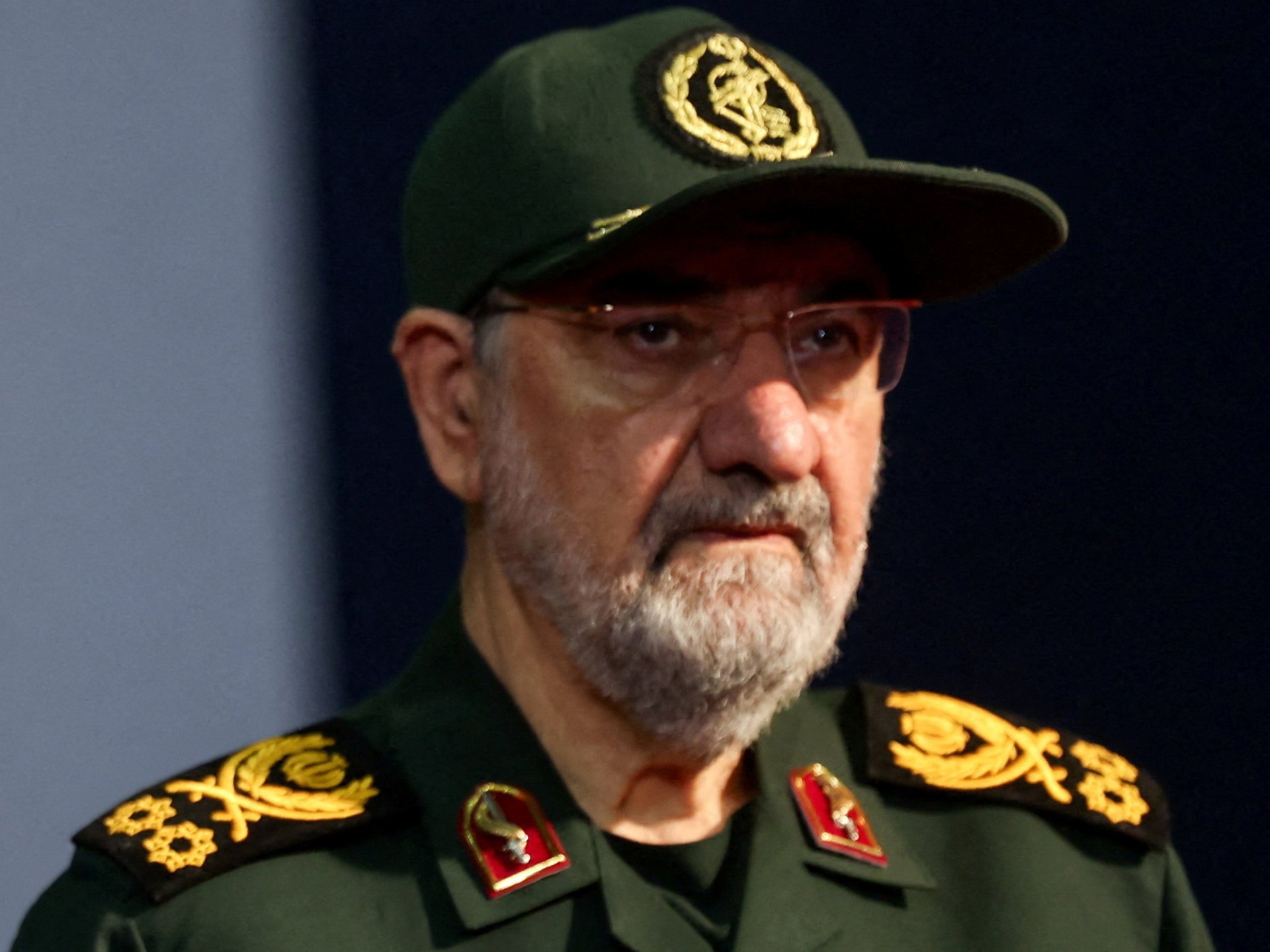
A chilling declaration has emanated from Tehran, intensifying an already volatile geopolitical landscape. Iran’s security chief, Mohsen Rezaei, has issued a stark Iran War Warning to any state contemplating allegiance with the United States’ economic sanctions against the Islamic Republic. Rezaei explicitly stated that any nation aligning itself with Washington’s punitive measures would be deemed an adversary, thereby exposing their interests to direct retaliatory actions from Tehran. This potent pronouncement underscores a period of profound and dangerous escalation in the Middle East, demanding immediate global attention.
The backdrop to this audacious warning is a deeply fractured relationship, exacerbated by the recent assassination of Iran’s late Supreme Leader Ayatollah Ali Khamenei. Khamenei, a towering figure in Iranian politics, was reportedly killed on February 28 during what Iranian officials describe as Israeli and U.S. airstrikes on Iran. His farewell ceremony on July 3, 2026, attended by international delegates, served as a poignant reminder of the simmering tensions that have now burst into open threats. The leadership vacuum and the circumstances of his demise have undoubtedly fueled a renewed sense of resolve, and perhaps desperation, within Iran’s strategic circles, manifesting in Rezaei’s uncompromising rhetoric.
Escalating Tensions and the Iran War Warning
Mohsen Rezaei’s declaration is not merely diplomatic posturing; it signals a critical shift in Iran’s defensive strategy. Facing crippling economic pressure from renewed and expanded US sanctions, Tehran appears to be drawing a clear red line for its regional neighbours. The implications are enormous for countries in the Persian Gulf, who frequently find themselves navigating the treacherous waters between their economic ties with the West and their geographic proximity to Iran. For these nations, Rezaei’s statement presents an agonizing dilemma: acquiesce to US demands and risk Iranian reprisal, or defy Washington and face its wrath.
The US, for its part, has not softened its stance. President Donald Trump recently fueled the fires of contention by reposting a map on his Truth Social account, provocatively marking the Strait of Hormuz as “NEW US Territory.” This astonishing claim followed a rally where he asserted that he viewed the vital waterway as “American territory.” Such statements are perceived by Iran as not just provocative, but a direct challenge to its sovereignty and regional influence, pushing the delicate balance of power further towards the brink of conflict. This unilateral declaration, coupled with the existing sanctions regime, forms the core of the ongoing economic war that Iran is fiercely pushing back against.
The Geopolitical Chessboard: Neighbors on the Brink
Regional players, from Saudi Arabia and the UAE to Qatar and Kuwait, are now in an unenviable position. Their economies are inextricably linked to global oil markets, and the stability of the Strait of Hormuz is paramount to their prosperity. Any move to actively support US sanctions could be interpreted by Tehran as a hostile act, potentially leading to targeted disruptions of their oil infrastructure or shipping lanes. The delicate balance they have painstakingly maintained is now under immense pressure, forcing them to re-evaluate alliances and strategies.
The Strait of Hormuz: A Flashpoint
The Strait of Hormuz, a narrow maritime choke point between the Persian Gulf and the Arabian Sea, remains perhaps the most critical flashpoint in this escalating crisis. Roughly one-fifth of the world’s total oil supply passes through this strait daily, making it indispensable for global energy security. Iran has, on numerous occasions, threatened to close the strait in retaliation for perceived aggression or crippling sanctions, a move that would send shockwaves through the global economy. President Trump’s audacious claim regarding the strait’s status adds an unprecedented layer of complexity, raising serious questions about international maritime law and freedom of navigation. For a deeper understanding of how economic disputes can escalate, one might look at past international trade disagreements, such as when Canada once stated its intention to match US tariffs ‘dollar for dollar’ in a tit-for-tat trade spat.
The Shadow of Economic Warfare
The US policy of “maximum pressure” through economic sanctions aims to cripple Iran’s economy, forcing it to capitulate on its nuclear program and regional ambitions. However, Tehran views these sanctions as an act of economic warfare designed to destabilize the regime and inflict hardship on its populace. Rezaei’s recent warning serves as a defiant counter-measure, signaling that Iran will not passively endure this economic siege. Instead, it is prepared to actively defend its interests and retaliate against those perceived as collaborators. This is a critical aspect of Iran’s current posture, emphasizing its readiness to engage in a broader conflict if its perceived vital interests are continually threatened. The weight of this economic warfare weighs heavily on its population, making the leadership’s stance all the more resolute.
This dynamic has far-reaching consequences. Investment in the region could dry up, shipping lanes could become riskier, and the specter of military confrontation looms larger than ever. International bodies and diplomatic channels are now under immense pressure to de-escalate the situation before rhetorical threats transform into kinetic action. The current situation demands cautious diplomacy and a concerted effort to prevent a regional conflict that could have devastating global ramifications. The Iran War Warning is not to be taken lightly; it is a clear articulation of a nation pushed to its limit, ready to defend itself against what it perceives as existential threats.
The path forward is fraught with peril. The assassination of a supreme leader, coupled with provocative territorial claims and explicit threats of retaliation, creates a dangerously combustible environment. The world watches with bated breath as Iran’s neighbors grapple with an impossible choice, and global powers weigh their options in the face of an unfolding crisis that threatens to engulf the entire Middle East.