A seismic shift in the volatile landscape of the occupied West Bank has just unfolded. Israel, through its hardline Finance Minister Bezalel Smotrich, has seized critical planning and construction powers over Hebron’s ancient Ibrahimi Mosque from Palestinian authorities. This audacious move, announced on Tuesday, June 17, 2026, effectively dismantles key provisions of the 1997 Hebron Agreement, igniting a firestorm of controversy and deepening geopolitical tensions. The implications of this asserted Ibrahimi Mosque Control are profound, signaling a unilateral assertion of Israeli sovereignty in an area long governed by delicate, albeit strained, bilateral arrangements.
What Does This Mean for Ibrahimi Mosque Control?
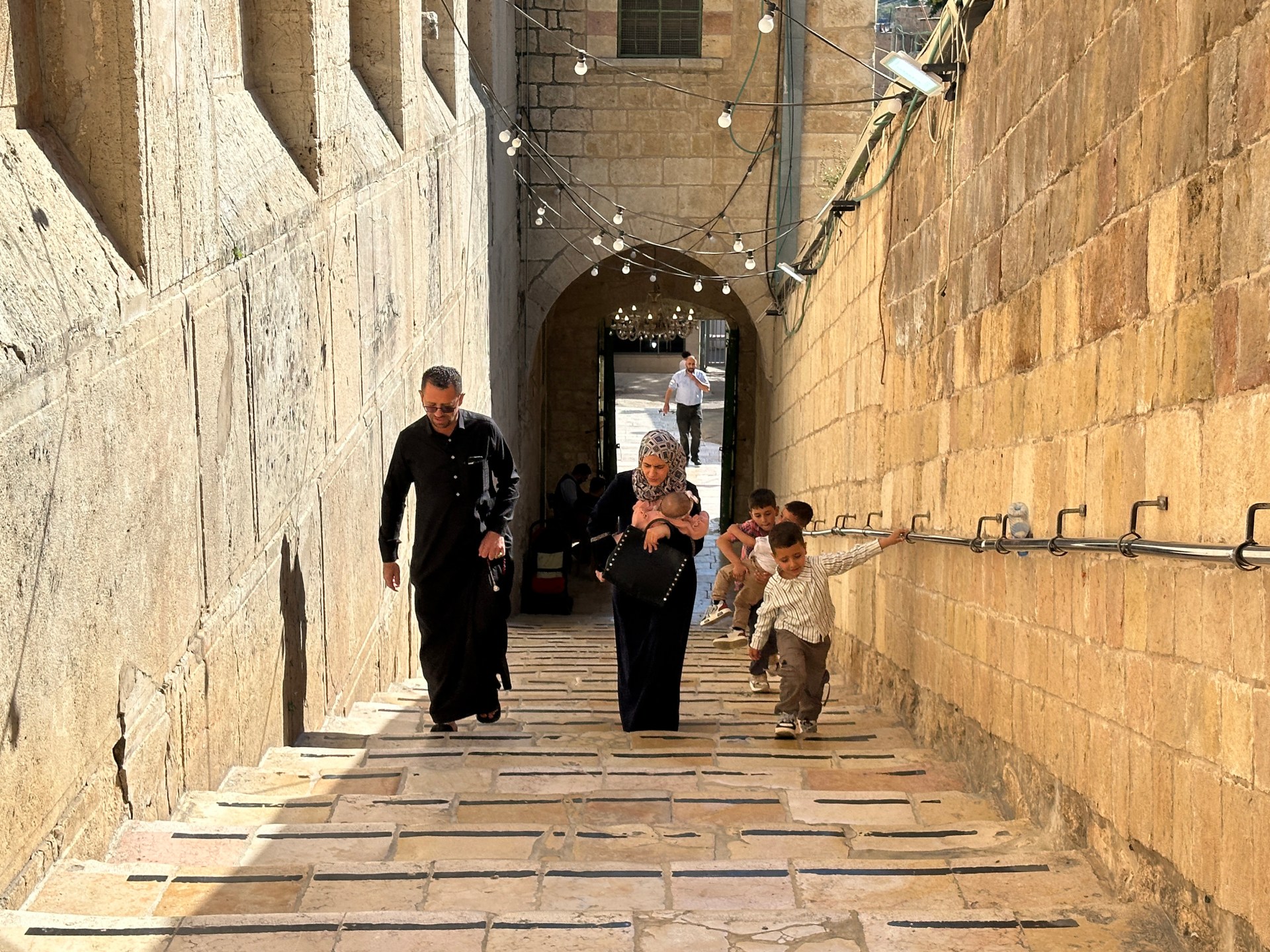
The Ibrahimi Mosque, revered by all three Abrahamic faiths, stands in the Old City of Hebron. Known to Jews and Christians as the Tomb of the Patriarchs, it is believed to be the burial site of Abraham, Isaac, Jacob, and their wives. Muslims, who also hold Abraham in high esteem, built the mosque in the 14th century, expanding upon Herod’s first-century BC outer walls. Its dual religious significance has historically made it a flashpoint, demanding careful management.
Under the now-contested 1997 Hebron Agreement, the city was bifurcated into H1 (Palestinian control) and H2 (Israeli security control). Crucially, the agreement stipulated that the Palestinian Authority would retain oversight of planning and construction throughout the entire city, including the H2 zone where the Ibrahimi Mosque resides. Smotrich’s declaration unilaterally abolishes these specific clauses, transferring these vital powers directly to Israeli authorities. This decision, according to Smotrich, an outspoken proponent of West Bank annexation, is a “historic step” aimed at deepening “Israeli sovereignty” in the territory.
Reactions have been swift and uniformly condemnatory from the Palestinian side. Yousef Al-Jabari, Hebron’s Palestinian mayor, denounced the decision as a “racist decision aimed at stripping the Hebron municipality of its powers.” Palestinian President Mahmoud Abbas’s office labeled the seizure an “infringement upon the political and legal status of Hebron” and a blatant violation of international law. Indeed, UN bodies and most nations consider Israeli settlements in the West Bank illegal under international humanitarian law.
For years, observers have highlighted Hebron as the most volatile city in the West Bank. Chris Doyle, director of the Council for Arab-British Understanding, called the move “extremely dangerous,” emphasizing that any change in existing arrangements favoring the intensification of Israeli occupation would carry severe consequences. Critics suggest this latest assertion of Ibrahimi Mosque Control by Israel further undermines prospects for a viable Palestinian state.
This development follows earlier steps approved by Israeli Prime Minister Benjamin Netanyahu’s security cabinet to simplify land purchases for settlers and grant Israeli authorities more enforcement capabilities in the West Bank. Smotrich, himself a settler, openly advocates for annexing the West Bank and draws significant support from ideologically driven settlers who refer to the region as “Judea and Samaria.” The ongoing expansion of settlements has unfortunately coincided with a documented increase in settler attacks against Palestinians.
Beyond Hebron, a pattern of creeping changes to the control and access of Palestinian and Islamic holy sites is evident. The Al-Aqsa Mosque compound in Jerusalem, for instance, frequently faces restrictions, expulsions, and searches imposed by Israeli authorities, often under the guise of security measures. This consistent erosion of Palestinian control over their cultural and religious heritage points to a broader, worrying trend.
About the Author