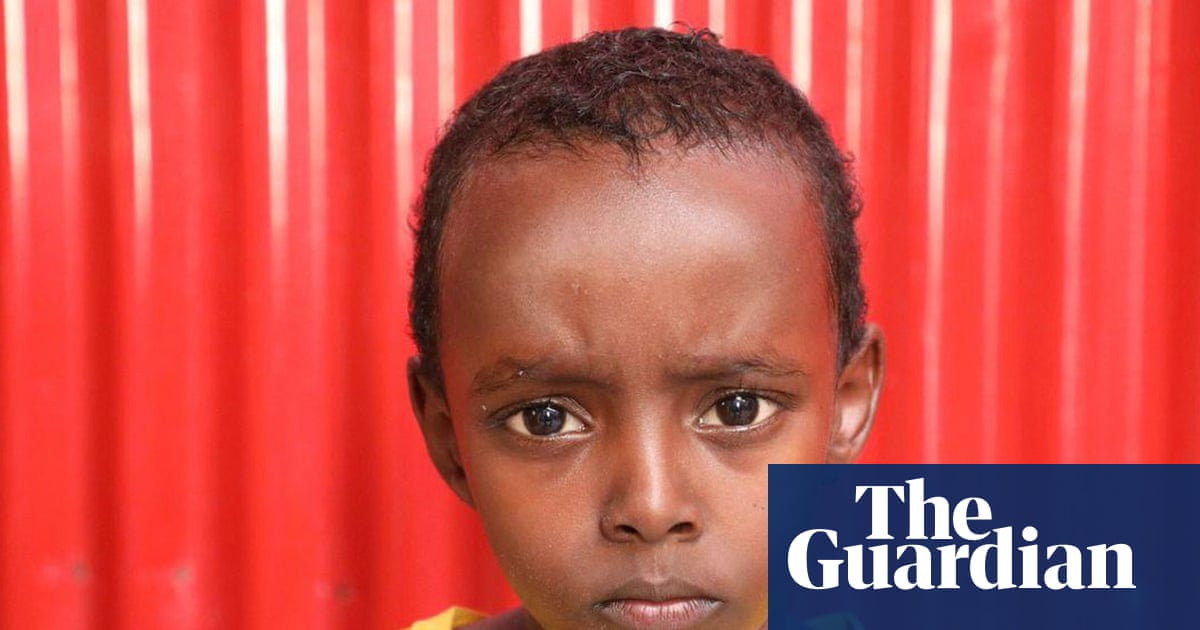
A tragic tableau unfolds in Somalia, where a seven-year-old Somali boy, Abdiqadir Salah, clings to the hope of walking again. Shrapnel, remnants of a devastating US airstrike, is lodged precariously in his back and thigh, demanding an urgent, life-saving operation. Yet, a crushing $1,000 price tag stands between this innocent child and the vital treatment, a sum his family simply cannot afford.
His mother, Marian Haji Abdi Guled, voices a profound despair echoing through conflict zones worldwide: “What’s worse than being a mother who can’t do anything for her wounded children?” This poignant question underscores a desperate reality faced by countless families in the wake of military actions where accountability remains elusive.
The Plight of the Somali Boy and US Denial
Six months ago, a US airstrike in Jamaame ripped through the lives of many, claiming 12 civilians, including eight children. Abdiqadir was among the wounded, struck by a missile outside his family home on November 15, 2025. Marian recounts a horrifying scene: “All three of my children were laying on the ground covered in blood,” as shells rained down incessantly. She fled with her injured offspring into the desolate countryside, terrified of further drone attacks. Her eldest, Mohamed, 16, sustained shrapnel wounds to his fingers, while daughter Sumaya, 14, had metal fragments in her head, since removed. But Abdiqadir’s injuries are more severe, more insidious.
Abdiqadir’s X-rays, viewed by a leading newspaper, reveal shrapnel still nestled near his hip socket, a constant threat. Doctors at Kaafi hospital in central Mogadishu have delivered a stark prognosis: without immediate removal, these foreign bodies could irrevocably impair his ability to walk. The desperation in his mother’s voice is palpable. The family’s plight is compounded by the staggering cost of living in Mogadishu—nearly £190 a month for rent alone—making saving for the operation an impossible dream. She is trapped, unable to leave the capital where the only hope for her son’s mobility exists, yet unable to afford that very hope.
Crucially, the US vehemently denies any civilian casualties from the strike. This unwavering stance leaves victims like this Somali boy with no pathway to compensation, a bitter irony for a nation that once had a program to address civilian harm. Indeed, under the Trump administration, even the legal requirement to prevent and respond to such deaths was reportedly scrapped. For the Salah family, a sense of abandonment looms large, their pleas for assistance met with official silence.
The airstrikes, conducted alongside Somali ground forces under the US military’s Africa Command, suggest a complex operational landscape. However, witness testimonies consistently describe casualties stemming from drone-dropped bombs, not ground fire. Despite this, US officials have remained tight-lipped regarding the Somali forces’ exact role. Marian has no doubts, though. “It is the Americans who are responsible for our suffering,” she asserts, dismissing notions of infantry weapons. The US Department of War has yet to respond to detailed inquiries concerning the Jamaame airstrikes.
The continued suffering of this Somali boy serves as a potent, heartbreaking reminder of the devastating human toll of distant conflicts and the bureaucratic inertia that often follows. For more details on the incident, refer to a Guardian investigation which raised numerous questions regarding US intelligence and target selection, particularly how children in the open became targets.
About the Author