Nairobi, Kenya A seismic shift in the global tech outsourcing landscape has left more than a thousand low-wage Kenyan workers reeling. These individuals, many of whom were engaged in critical AI training tasks, found themselves abruptly dismissed following a sudden Meta contract termination with their employer, Sama. This startling development has ignited fierce debate among activists, shining an unforgiving spotlight on the fragile nature of tech employment in developing nations.
Sama, a Nairobi-based firm responsible for Meta’s content moderation and AI data annotation, announced the mass layoffs this past Thursday. The catalyst? Meta’s decision to sever ties after a barrage of troubling allegations surfaced last month. Reports indicated that some Kenyan data annotators were tasked with reviewing highly sensitive, private content captured by Meta’s AI smart glasses footage that included intimate personal moments such as users in restrooms or engaging in sexual acts. This ethical quagmire proved to be the undoing of a significant business relationship.
The Precipice of a Meta Contract Termination: Privacy Breaches and Past Woes
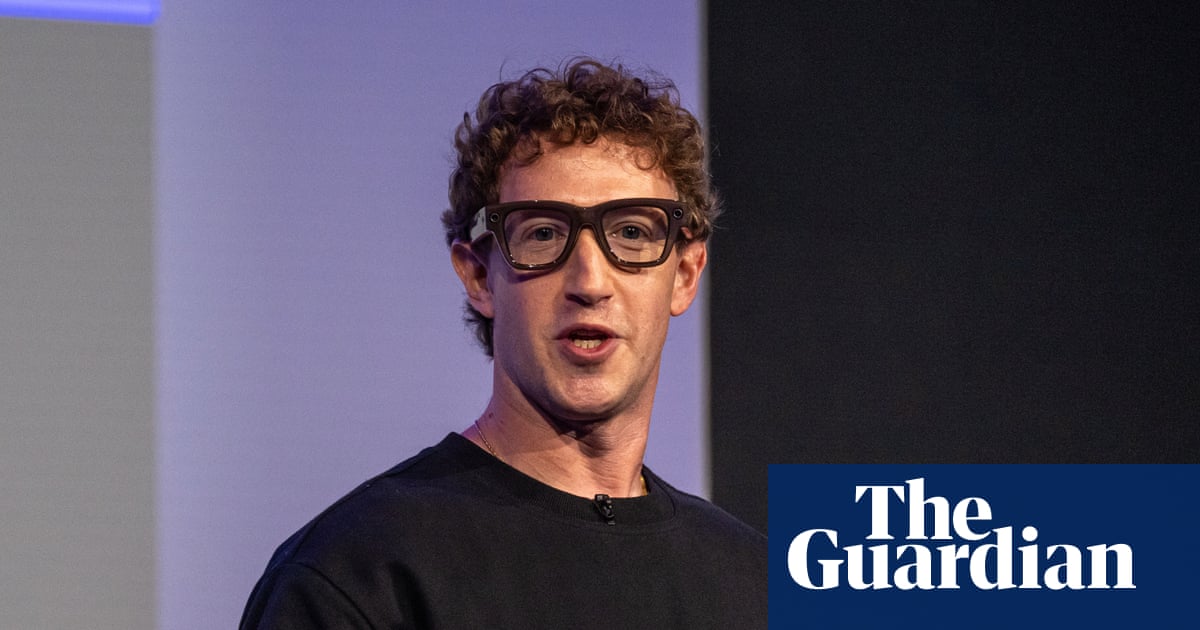
The controversy escalated when Meta temporarily halted its operations with Sama, pending an investigation into the aforementioned allegations regarding private smart glasses footage. Mark Zuckerberg, Meta’s chief executive, is frequently seen sporting these very Ray-Ban smart glasses. Meta’s official statement underscored user privacy: “Photos and videos are private to users. Humans review AI content to improve product performance, for which we get clear user consent. We’ve also decided to end our work with Sama because they don’t meet our standards.”
This isn’t Sama’s first brush with controversy concerning its Meta-related workforce. A previous wave of layoffs in 2024 saw 140 content moderators pursue a civil lawsuit, alleging severe PTSD, depression, and anxiety. Their suffering, they claimed, stemmed directly from exposure to horrific online content during their duties. The recent and definitive Meta contract termination compounds these existing anxieties within the workforce.
Sama, for its part, released a statement acknowledging the profound impact on its team. It claimed to be “a responsible corporate citizen,” asserting that its employees received living wages, full benefits, and access to comprehensive wellness resources, including medical benefits and on-site counselling. Yet, for the more than 1,000 workers now facing unemployment with a mere six days’ notice, such assurances offer little comfort.
Wider Repercussions: The Global South’s Precarious Tech Future
The Oversight Lab, an organization advocating for fair technology regulation across Africa, has condemned the layoffs as both devastating and shocking. They are actively advising the newly jobless workers on potential legal avenues. “The time has come for us to recognise that our current strategies are harming our youth, hurting our economy and in no way advance Kenya’s participation in the AI ecosystem,” the Lab declared, painting a grim picture of the current state of global tech operations.
Kauna Malgwi, a former Sama employee, echoed these sentiments, highlighting the systemic issues at play. “This issue is not confined to one company or contract. It shows how the global AI industry is shaped,” Malgwi lamented. “Power sits with large technology companies. Risk flows downward, affecting outsourced workers, often in the global south, who have the least protection and highest exposure.” This stark reality, brought into sharp focus by the Meta contract termination, underscores the urgent need for robust ethical frameworks and greater worker protections as AI increasingly reshapes the global economy.
About the Author