
Labour’s Angela Rayner says she has been cleared over UK tax affairs
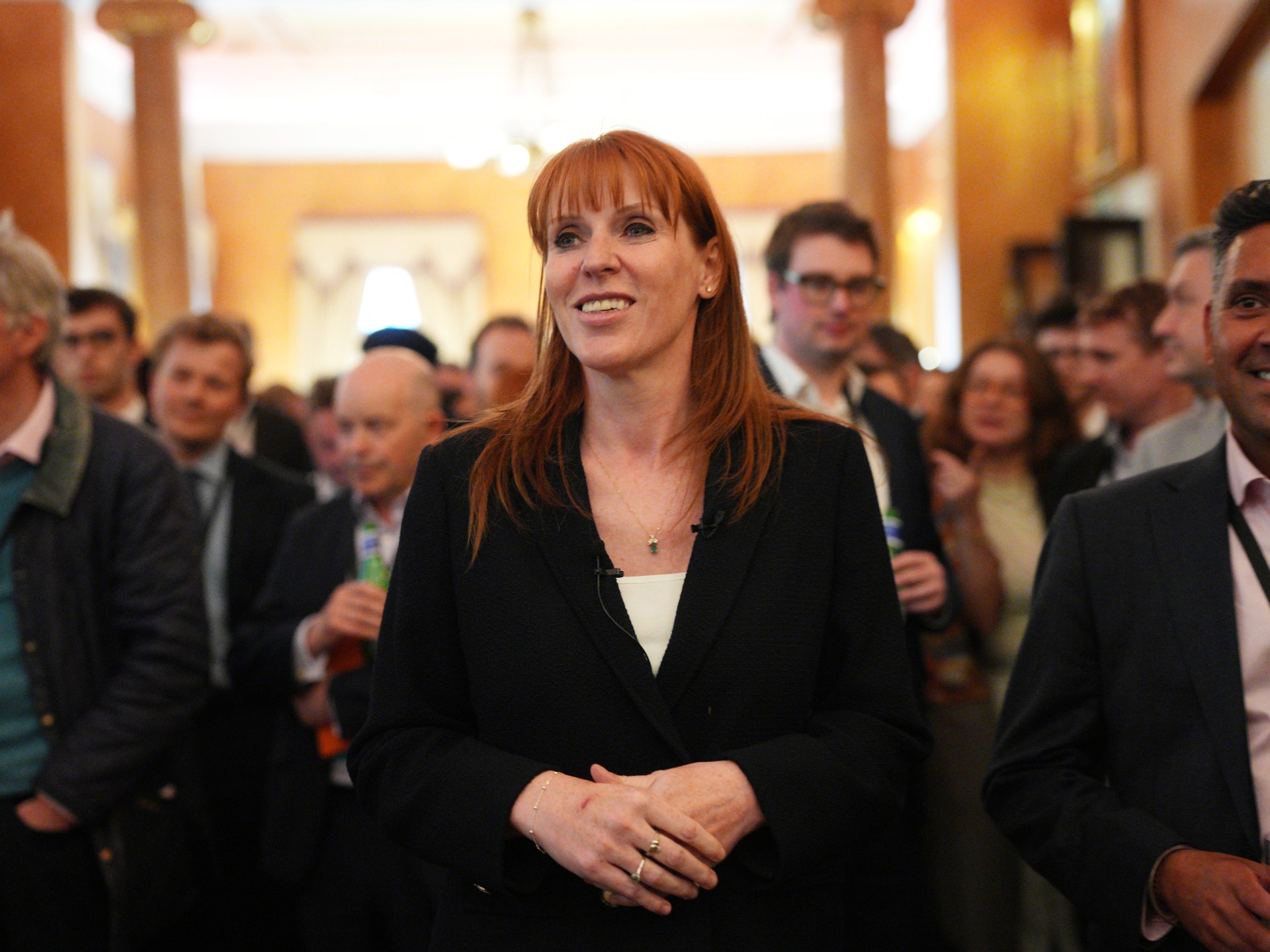
A seismic shift has just reverberated through Westminster. Angela Rayner, the formidable former Deputy Prime Minister, has confirmed her complete exoneration by Her Majesty’s Revenue and Customs (HMRC) regarding her personal tax affairs. This pivotal Rayner Tax Clearance, announced just yesterday, dramatically reshapes the battleground for the Labour Party’s future, potentially paving the way for her to challenge an increasingly embattled Prime Minister Keir Starmer.
Starmer, who clinched victory for Labour in the 2024 general election, now finds himself clinging precariously to power. His administration is reeling from a disastrous showing in recent local and regional polls, which saw the party suffer significant losses. The fallout has been swift and brutal: four junior ministers have resigned, and a staggering eighty-plus Members of Parliament have publicly urged their leader to step down. Despite this mounting pressure, Starmer remains defiant, vowing to persevere.
Whispers of a leadership contest have morphed into a roaring gale. While no formal challenge has been declared, media outlets widely report Health Minister Wes Streeting’s imminent resignation to launch his own bid for the top job. The clearing of Rayner’s name by tax authorities, however, injects another powerful contender into this volatile mix.
Impact of Rayner Tax Clearance on Labour Leadership
The significance of the Rayner Tax Clearance cannot be overstated. It removes a considerable ethical and political hurdle that might have hampered her ambitions. “I have been exonerated by HMRC of the accusation that I deliberately sought to avoid tax,” Rayner declared on X, adding, “I have always sought to act with integrity, and I believe politicians should be held to high standards – that is why I resigned from the government and cooperated fully with HMRC.”
Her statement signals not just relief but readiness. Speaking to The Guardian, Rayner openly stated her willingness to “play my part” should Streeting initiate a leadership election. This firm stance positions her as a serious contender, especially given her popularity among the Labour Party’s left wing, where she advocates for policies like a higher minimum wage and increased taxes on the affluent.
Pressure on Starmer intensified dramatically following last week’s election results, which brutally exposed voter discontent with the present Labour government. He has vehemently warned against any leadership contest, asserting it would plunge the government into “chaos.” Yet, under Labour Party rules, a challenger needs the backing of just 81 of the party’s 403 MPs in the House of Commons—a threshold already surpassed by those demanding Starmer’s resignation. The newfound clarity surrounding the Rayner Tax Clearance will only embolden those looking for an alternative.
While Streeting represents the centrist faction of the party, much like Starmer, Rayner draws strength from Labour’s more progressive elements. Other names, such as Greater Manchester Mayor Andy Burnham, also circulate, though his path to a leadership bid would require a complex return to Parliament. The current climate of instability, exacerbated by the recent tax development, ensures that all eyes remain fixed on the intricate workings of British governance as the Labour Party grapples with its future.