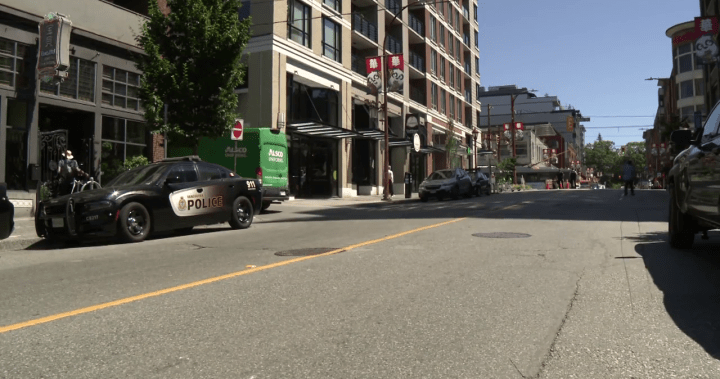
A coveted social housing flat in Walworth, London, once occupied by Sierra Leone’s First Lady, Fatima Jabbe-Bio, has been repossessed by Southwark Council, concluding a protracted 12-month investigation into its controversial occupancy. This decisive action underscores the council’s commitment to reclaiming properties for those with genuine housing needs.
For years, Fatima Jabbe-Bio, wife of Sierra Leonean President Julius Maada Bio, maintained the tenancy of the two-bedroom Walworth property, a listing that originated in 2007. Questions about her adherence to council housing rules, which stipulate that such properties must be a tenant’s principal residence, mounted following reports that she spent significant portions of the year residing at the presidential lodge in Freetown.
Southwark’s Executive Member for Council Homes, Reginald Popoola, confirmed the property’s recovery. “We can confirm we have taken possession of a property in Walworth following a 12-month investigation by our housing investigations team,” he stated. The reclaimed residence will now be allocated to a family from the council’s extensive waiting list, bringing it “back to its original purpose, which is to provide a safe and secure home for people with legitimate housing need.”
The Principal Residence Rule and the Social Housing Flat
The core of the dispute revolved around whether the First Lady’s occupation satisfied the ‘principal residence’ requirement. Neighbours reportedly observed her infrequent presence, fueling skepticism about the arrangement. This action follows widespread media scrutiny, including an initial report by a prominent national newspaper last year.
Despite the council’s move, Jabbe-Bio has publicly defended her position. In a recent BBC interview, the former model and actor asserted, “My children are all British citizens. I’m paying for my council house myself. I have not committed any crime.” There has been no suggestion that she faces any formal charges.
The recovery of this social housing flat comes amidst a dire housing crisis plaguing London. Southwark alone grapples with over 18,000 households on its social housing waiting list, with approximately 4,000 families enduring temporary accommodation. This stark reality intensifies pressure on local authorities to combat tenancy fraud and ensure fair access to limited resources.
Councils across the capital are intensifying efforts to tackle unlawful occupation. Southwark has successfully recovered 107 properties over the last two years through its robust housing investigations team, underscoring the critical need for every available social housing flat to serve its intended purpose.
About the Author