President Donald Trump has again declared an Iran ceasefire deal to be within reach, promising a swift end to the three-month-old conflict that has roiled global markets and deeply divided American public opinion. This dramatic announcement, made just days before a pivotal G7 summit, follows a tumultuous period of escalating threats and counter-strikes, raising both hopes and skepticism across the international community.
Trump’s Shifting Stance on Iran Ceasefire Deal
Trump’s boasts about an impending resolution are not new; indeed, similar claims have punctuated weeks of intense hostilities without concrete outcomes. The President, known for his unpredictable foreign policy maneuvers, had only recently ratcheted up his rhetoric, threatening “hard” strikes and a bold seizure of Iran’s critical Kharg Island oil facility. Such pronouncements followed a brutal exchange of blows that had rendered an earlier, fragile ceasefire utterly impotent. Yet, just as swiftly as these threats emerged, Trump appeared to pull back, citing a burgeoning agreement.
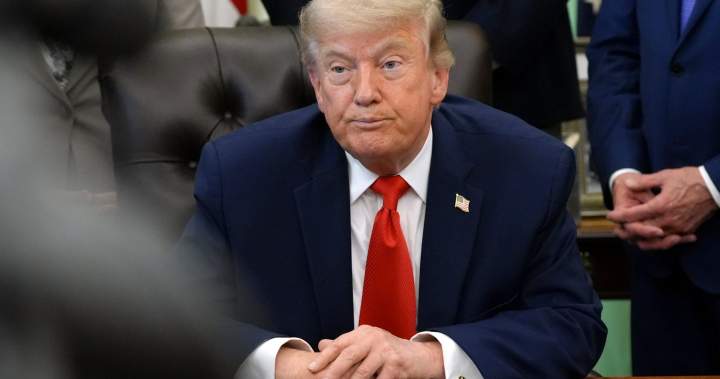
Speaking from the Oval Office, Trump asserted, “They’ve taken a pounding like very few people could take. And they want to make the deal a lot more than I do.” Details, however, remain frustratingly sparse. He suggested Iran’s Supreme Leader, Ayatollah Mojtaba Khamenei, rumored to be wounded and unseen publicly, was prepared to endorse a “very strong” yet “a little conceptual” agreement specifically designed to prevent Iran from developing nuclear weapons.
Ali Vaez, Iran director at the International Crisis Group, offered a stark assessment, suggesting Trump’s threat to escalate U.S. military action seemed in part aimed at demonstrating to the hawkish flank of his political base that he was willing to play “hardball” with the Iranians if they didn’t come to an Iran ceasefire deal soon. Indeed, Trump had previously backed away from similar infrastructure threats in March, leading to the temporary ceasefire. Intriguingly, even as the President publicly mused about further escalation, mediators from nations like Pakistan, Turkey, and Qatar were reportedly making quiet progress in their separate discussions with Tehran.
The situation grew further complicated by Iran’s unprecedented direct attack on Israel following Israeli strikes on Hezbollah targets in Lebanon. This aggressive move, a clear signal that attacks on Lebanon would no longer go unanswered, effectively raised the stakes for the U.S. and its commitment to Israel’s security. Vaez succinctly captured the President’s dilemma: “It really does appear to me that Trump wants to bring this to an end, but his real challenge is that he’s looking for a victory lap and an exit ramp and those two things are not necessarily compatible.”
Public Opinion and Global Pressure
Despite Trump’s earlier claims of having “won” the war — citing significant damage to Iran’s leadership and military assets — the Islamic Republic continues to exert pressure, notably by keeping the vital Strait of Hormuz largely closed. This chokehold on a waterway crucial for 20% of the world’s oil supply remains a major economic concern. Furthermore, Iran has steadfastly refused to re-engage in negotiations regarding its nuclear program, the stated casus belli for both Trump and Israeli Prime Minister Benjamin Netanyahu.
Trump, ever attuned to public perception, recently grumbled on Fox News about the media’s framing of the conflict. “They could wave the white flag of surrender… And the fake news would say it was a great victory for Iran,” he lamented, highlighting his frustration with the war narrative.
Meanwhile, the conflict’s unpopularity among Americans is palpable. Rep. Michael McCaul, R-Texas, suggested Iran might intentionally prolong the standoff, hoping to benefit from its proximity to upcoming midterm elections.
The upcoming G7 summit in the French Alps will undoubtedly place the ongoing war and the elusive Iran ceasefire deal at the forefront of discussions. Many leaders, including those from Britain, France, Italy, and Germany, have openly criticized Trump’s unilateral approach and the conflict’s damaging impact on the global economy. Yet, Trump expressed optimism, hinting that the “strait will officially open as soon as we sign,” possibly even during the European weekend. The world watches with bated breath to see if this time, a lasting resolution truly materializes. Respected geopolitical analysts continue to monitor the volatile situation.
About the Author