
Lord’s Cricket Ground set for first-ever women’s Test as England host India
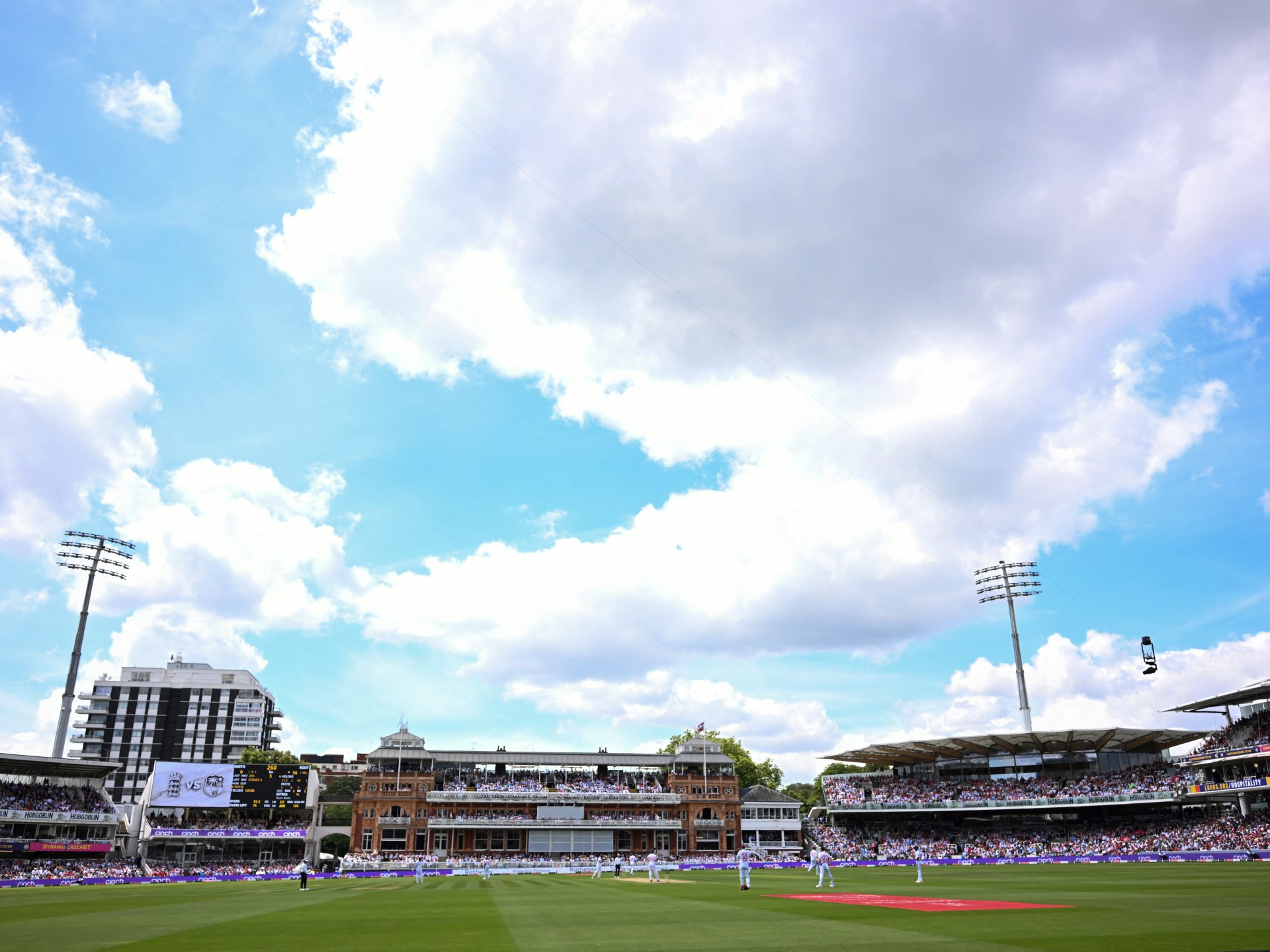
The hallowed turf of Lord’s Cricket Ground, steeped in 142 years of men’s Test match history, is poised for a monumental shift this Friday. England is set to lock horns with India in a groundbreaking four-day encounter, marking the venue’s inaugural Lord’s Women’s Test. This isn’t merely a match; it’s a profound statement, an epochal moment long overdue at the very “Home of Cricket.”
“It just boggles my mind that it is just the first Test match here at Lord’s for women,” exclaimed India coach Amol Muzumdar, his voice tinged with both disbelief and anticipation. “It is a great occasion, and we are looking forward to it immensely.” Indeed, the anticipation is palpable as players and fans alike prepare to witness history unfold.
A Legacy Forged: The Road to the Lord’s Women’s Test
While this marks the first multi-day contest for women at Lord’s, the venue did host its initial women’s fixture over five decades ago. On August 4, 1976, England triumphed over Australia in a one-day international, a significant event in itself. That pioneering England squad was captained by the legendary Rachael Heyhoe Flint, a formidable advocate for women’s cricket. Her legacy is so profound that a gate at Lord’s now bears her name, a testament to her enduring impact.
Imagine the scene: players in skirts, not trousers, gracing the prestigious ground. The thought of women even becoming members of the venerable Marylebone Cricket Club, the custodians of Lord’s, was then decades away. Megan Lear, England’s No. 5 from that 1976 clash, vividly recalled the experience to The Guardian, likening it to a “moon landing” for women cricketers. “It was like one small step for us women cricketers, but one giant leap towards the future of women’s cricket,” she stated, perfectly encapsulating the magnitude of that day.
Fast forward to today, and the landscape is unrecognisable. Cricket has professionalised, and women’s matches regularly draw capacity crowds. This forthcoming Lord’s Women’s Test follows closely on the heels of a packed house witnessing England’s recent T20 World Cup final defeat against Australia at the very same venue. Nine members of that World Cup squad, including captain Nat Sciver-Brunt (hoping to play despite a calf injury), are poised for this Test.
England coach Charlotte Edwards, herself a veteran who led England to the 2009 Women’s T20 World Cup title at Lord’s, acknowledged the meticulous preparation. “We’ve always known this has been on the calendar,” she remarked. “It’s a historic Test match for us as a group and for the Indian team, and we can’t wait to play in front of a lot of people again over the next four days.”
For young players like 18-year-old spinner Tilly Corteen-Colman, the moment resonates deeply. She recounted conversations with Edwards about a time when women weren’t even permitted in the iconic Long Room. “The first Lord’s Women’s Test is history in the making, so to be involved would be incredible. It would mean the absolute world,” she shared, embodying the hopes of a new generation.
Beyond its historical significance, this match also marks a poignant farewell. England’s trailblazing batter, Tammy Beaumont, will retire from international cricket after 17 years. With 260 appearances and the distinction of being the first English woman to score a Test double-century, Beaumont’s career has paved the way for many. “When I fell in love with playing cricket as a young girl, I barely knew that playing cricket for England was an option,” Beaumont reflected. “Our first ever women’s Test at Lord’s feels like the perfect occasion to sign off on a career that I could never have dreamt would be as special as it has been.” Her departure underscores not just the progress made, but also the enduring passion that fuels this sport.