
Turning A Blind Eye No More: India’s Envoy Welcomes Canada-US Action Against Crime Rings Linked To Nijjar Case
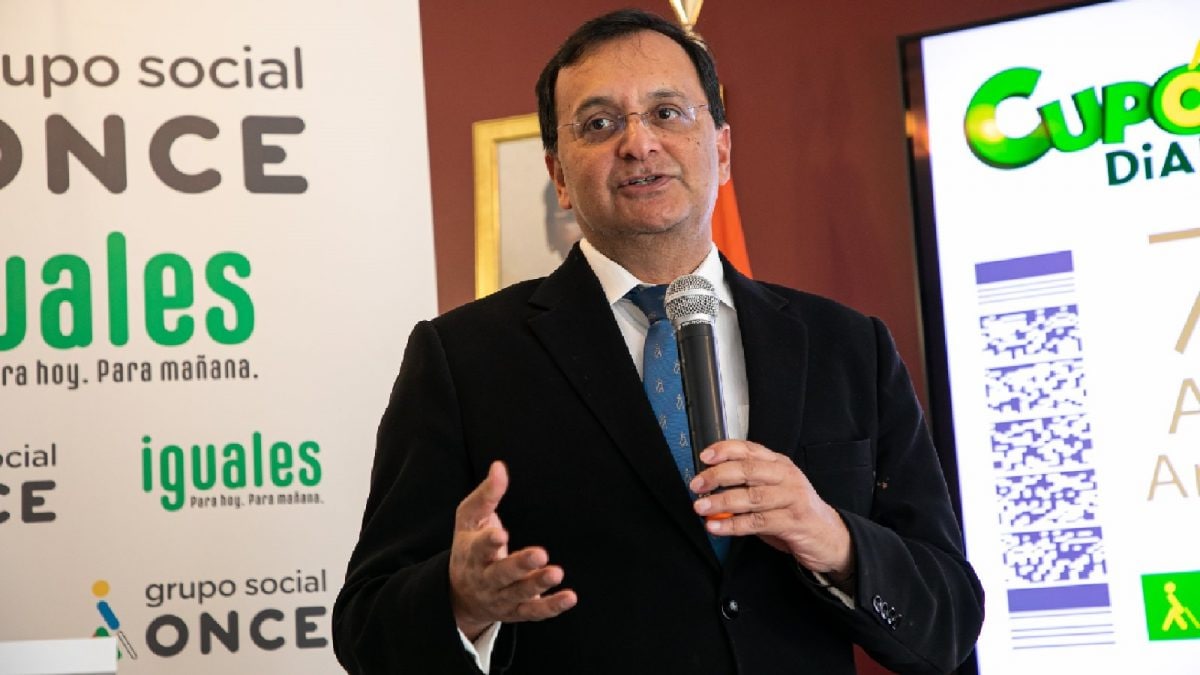
In a significant diplomatic move, India’s High Commissioner to Canada, Dinesh K Patnaik, has publicly lauded the recent, sweeping wave of arrests and indictments across North America. These concerted actions target deeply entrenched crime rings allegedly linked to the 2023 assassination of Hardeep Singh Nijjar, a figure designated as a Khalistani separatist. This robust international law enforcement operation, meticulously executed, signals a crucial dismantling of key leadership within notorious India-linked criminal syndicates operating across sovereign borders. Patnaik underscored that these decisive legal actions align precisely with New Delhi’s persistent calls for Western allies to confront and dismantle sophisticated transnational gangs that have long posed complex challenges.
The envoy pointed out that these synchronized enforcement efforts by both Canadian and United States federal authorities signify a pivotal shift in the regional approach to organised crime. For an extended period, an underlying sentiment prevailed in India: that North American administrations were inadvertently overlooking the escalating security threats posed by such illicit networks. According to reports, Patnaik observed that these judicial and law enforcement interventions serve as a clear, positive indicator. Western security agencies are now actively engaging with and confronting global networks which, for too long, have exploited foreign soil to orchestrate violent crimes with impunity. For a broader understanding of how nations collaborate in combating organized crime, it is useful to consult international law enforcement bodies.
Confronting Persistent Transnational Gangs
This significant development stems from an extensive multi-year federal investigation, which has culminated in numerous charges encompassing racketeering, chilling murder-for-hire plots, widespread extortion, and audacious narcotics smuggling. Legal documents have increasingly established clear linkages between high-profile gang leaders and targeted violence impacting members of the South Asian diaspora. New Delhi has steadfastly maintained that these powerful syndicates are far from mere localized street gangs; rather, they are highly sophisticated transnational gangs that present grave national security threats to both India and its global partners.
Indian officials perceive these coordinated crackdowns as a fundamental structural shift, moving beyond mere political rhetoric towards quantifiable law enforcement outcomes. By designating these modules explicitly as criminal entities, rather than affording them the ambiguous status of political dissidents, North American authorities are systematically dismantling the intricate logistical frameworks. These frameworks previously afforded fugitive operatives safe havens from which to direct lucrative extortion rackets and commission targeted hits back in India, seemingly with impunity.
Redefining Global Security Cooperation
The high-level diplomatic endorsement hints at a potential pathway towards stabilizing India-Canada bilateral relations. These ties experienced considerable strain following initial political allegations that emerged in late 2023. By strategically pivoting to the shared imperative of combating transnational gangs and their associated violence, both nations now possess a renewed operational framework. This framework allows for addressing critical security loopholes without any compromise to national sovereignty. Patnaik further reiterated that the legal process must now proceed unimpeded through the courts, stressing that only robust evidence and rigorous judicial scrutiny can effectively counter such complex cross-border criminal operations.