
Mehbooba Mufti, Salman Khurshid Pay Respects To Khamenei In Tehran: Who Else Is Attending?
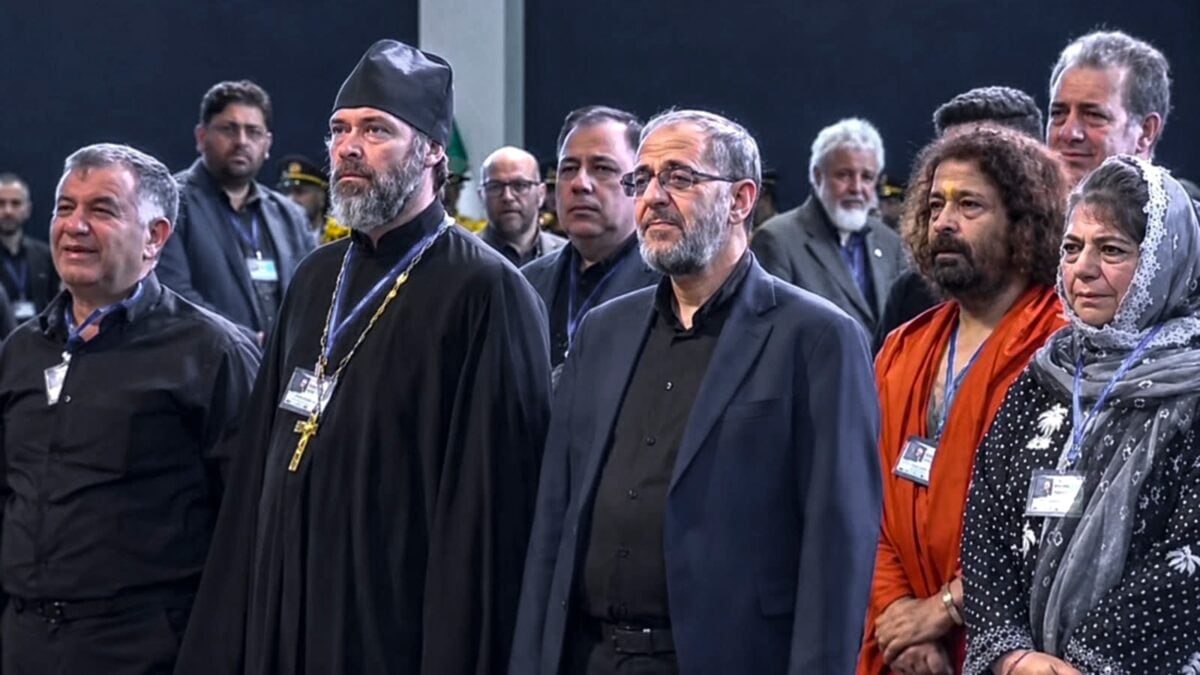
Tehran is abuzz with activity as global dignitaries converge for the state funeral of Iran’s revered Supreme Leader, Ayatollah Ali Khamenei. Among the notable attendees making headlines are prominent Indian political figures: Peoples Democratic Party (PDP) chief Mehbooba Mufti and seasoned Congress leader Salman Khurshid, who both paid their solemn respects on Friday. Their presence marks a significant diplomatic engagement ahead of the elaborate multi-day Khamenei funeral ceremonies, slated to commence on Saturday.
Mehbooba Mufti’s participation carries particular weight; she stands as the singular non-Shia politician from Jammu and Kashmir to receive an invitation from Iran for these poignant proceedings. Her attendance underscores the intricate web of international relations and cultural diplomacy at play. Meanwhile, Salman Khurshid, a former External Affairs Minister and the head of the Congress party’s foreign affairs department, is representing the Congress. The party had initially received invitations for its president Mallikarjun Kharge, alongside Khurshid and Pawan Khera, emphasizing the importance Iran places on Indian representation during this period of national mourning.
Indian Delegation at the Khamenei Funeral
The extensive funeral rites for Ayatollah Ali Khamenei are scheduled to unfold from July 5 to July 9, traversing several key cities across Iran. This extended period of mourning and ceremony is expected to draw a diverse array of international delegations, each signifying their nation’s diplomatic ties and condolences. The sight of Indian leaders at the Khamenei funeral highlights the long-standing, albeit sometimes complex, relationship between India and Iran. Such high-level representation sends a clear signal of continued bilateral engagement on the global stage, navigating through the intricate currents of complex Middle Eastern politics.
As the world watches Tehran, the attendance of figures like Mufti and Khurshid at the Khamenei funeral ceremonies not only conveys India’s condolences but also subtly reaffirms its diplomatic standing and outreach in West Asia. It’s a delicate balance of respect, protocol, and strategic foreign policy, playing out against the backdrop of a nation bidding farewell to its supreme spiritual and political guide.