
‘No Meeting Sought Till 4 PM’: Election Commission On INDIA Bloc Protest Against CEC Gyanesh Kumar
Introduction & Key Takeaways
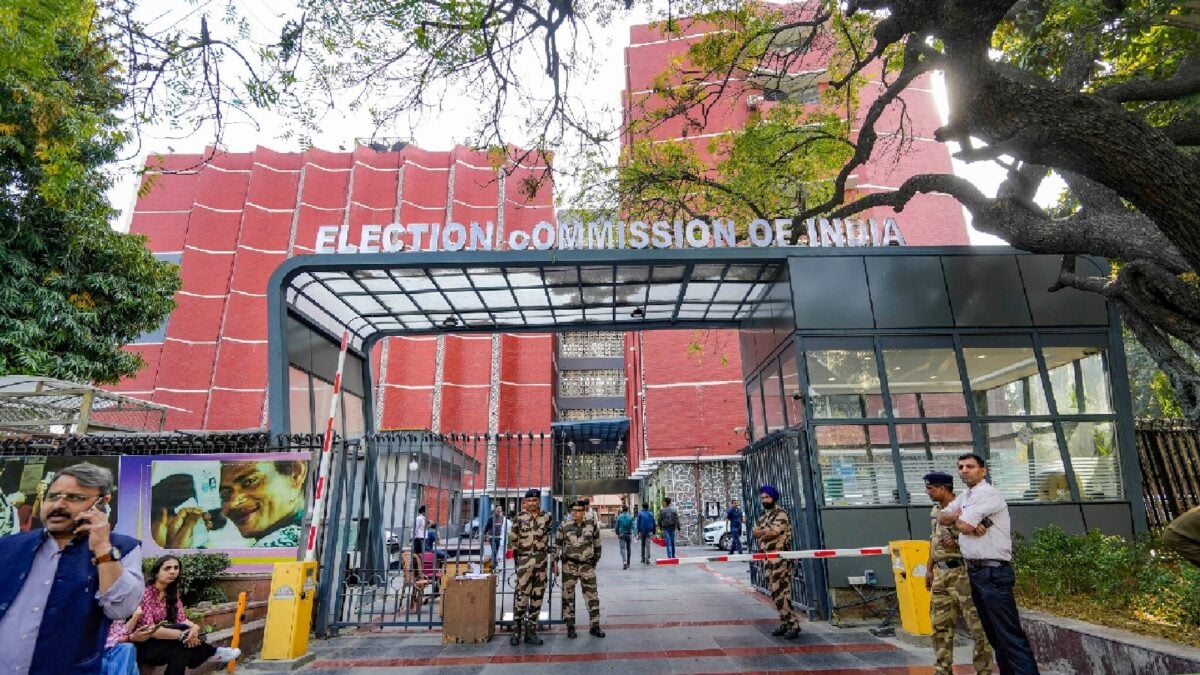
The recent standoff between the Election Commission of India (ECI) and the INDIA bloc has ignited a fierce debate regarding democratic accountability, institutional transparency, and the mechanics of electoral oversight. The tension, centered on the Special Intensive Revision (SIR) of electoral rolls, reached a boiling point when opposition MPs attempted a dramatic march to the ECI headquarters, only to be stopped by security forces. This article provides a comprehensive analysis of the conflict, the procedural bottlenecks, and the broader implications for Indian governance.
- The ECI claims no formal meeting request was lodged by the INDIA bloc until 4 pm on the day of the protest.
- Opposition leaders allege widespread irregularities in the voter roll revision process, which they claim threatens the integrity of future electoral exercises.
- The standoff underscores a deepening trust deficit between the nation’s premier poll body and the collective opposition.
Background & Context (What Just Happened?)
The conflict arose as the INDIA bloc, led by high-profile figures such as Rahul Gandhi, sought to challenge the recent Special Intensive Revision of electoral rolls. The opposition argues that these revisions are susceptible to manipulation, potentially disenfranchising segments of the population. As political temperatures rose, a large contingent of 240 Members of Parliament organized a march toward the Election Commission premises in New Delhi. This protest was intended to culminate in the submission of a formal memorandum to Chief Election Commissioner Gyanesh Kumar. However, police intervened, halting the march and detaining several prominent figures, including Priyanka Gandhi Vadra. This incident is not an isolated event but part of a wider trend of friction between state agencies and political actors, similar to tensions seen in reports involving previous high-profile political demonstrations.
Root Cause & Deep Dive Analysis (Why Did This Happen?)
The core of the dispute lies in the Election Commission of India, which serves as the independent authority for managing elections. The ECI maintained a strict stance, stating that no official appointment was requested until late in the afternoon. The Commission noted that the demand to meet at the Parliament House Annexe rather than at Nirvachan Sadan, the ECI headquarters, was unconventional and contrary to established protocol. In an attempt to mitigate the situation, the ECI offered a compromise by proposing to send a senior official to the Annexe to receive the memorandum, a step the Commission described as unprecedented. The opposition, however, declined this offer, insisting on a direct meeting with the leadership. This refusal highlights the political performative aspect of the protest, where the act of being physically present at the ECI gate carries more symbolic weight than the mere delivery of documentation.
Strategic Implications & Future Impact (What Does This Mean Globally?)
The confrontation has profound implications for the health of India’s democracy. When the impartiality of the election regulator is openly questioned, it weakens the public’s faith in the electoral process itself. Globally, institutions are under constant pressure to remain insulated from partisan influence, yet they must also be responsive to legitimate grievances from elected representatives. The failure to facilitate a dialogue between the ECI and the opposition risks a permanent shift in how voters perceive the fairness of upcoming polls. This situation is reminiscent of other global instances where administrative procedures are weaponized or challenged to signal political defiance. Such standoffs can lead to administrative gridlock, potentially delaying critical tasks like the necessary electoral preparation required for transparent governance.
Conclusion & What to Watch Next
Moving forward, the focus will remain on whether the ECI can re-establish trust through enhanced transparency in its revision processes or if the opposition will continue to seek external platforms to air their grievances. The incident serves as a reminder that the stability of a democracy depends as much on the robustness of its institutions as it does on the willingness of its political actors to abide by procedural norms. Observers should monitor whether future memorandums are accepted through formal channels and if the ECI introduces new measures to audit the SIR exercise to appease concerns regarding electoral rolls. The road ahead remains fraught with potential for further agitation, making the role of the ECI as a mediator more critical than ever.