
‘No Specific Timeline’: India Says Decision On Sheikh Hasina’s Extradition To Bangladesh Still Under Legal Review
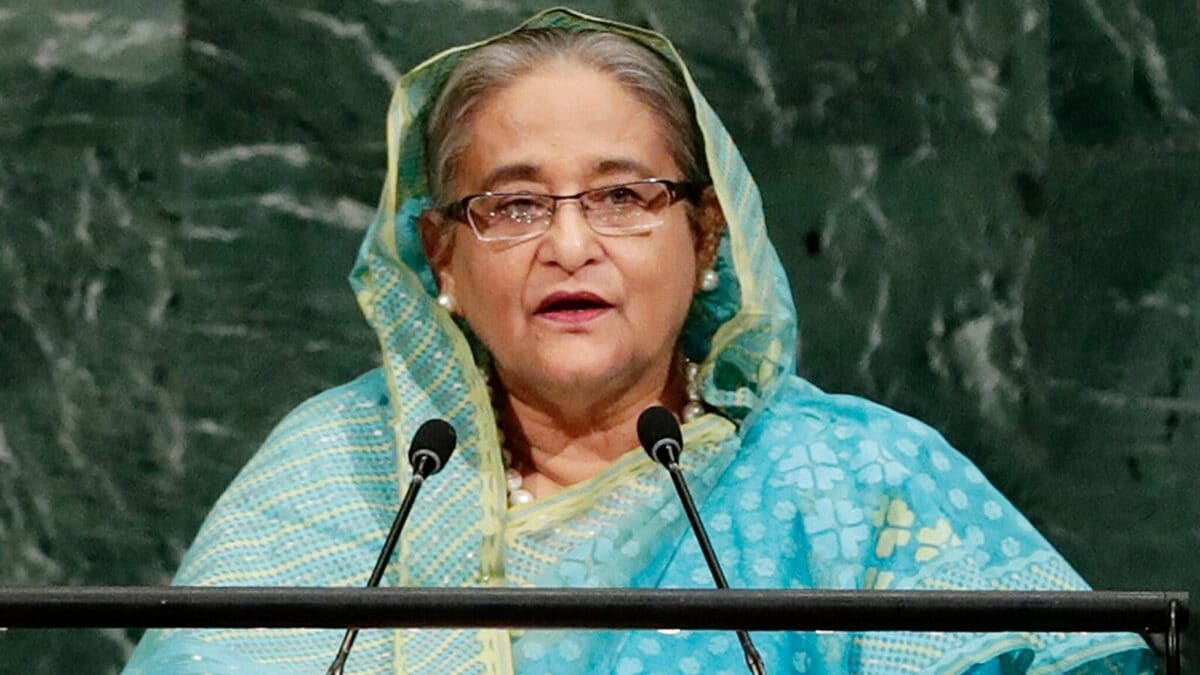
The status of Sheikh Hasina’s extradition remains a complex and evolving situation, as New Delhi has firmly stated there is no specific timeline for a decision. Following her abrupt arrival in India in August 2024, the former Prime Minister of Bangladesh has been at the center of significant geopolitical scrutiny. Indian High Commissioner to Bangladesh, Dinesh Trivedi, recently addressed these concerns at the Bay of Bengal Conversation 2026, emphasizing that the process is being handled through rigid, established judicial channels.
Understanding the Sheikh Hasina Extradition Process
The core of the matter lies in a delicate balance between international treaty obligations and the internal legal requirements of the host nation. New Delhi is currently processing the formal request submitted by the government of Tarique Rahman, yet officials are cautious about setting expectations. The legal landscape is governed by a bilateral extradition treaty originally signed in 2013 and later updated in 2016. This document contains specific clauses that account for political offenses, which often complicate cases involving high-profile government figures.
As authorities perform a rigorous legal examination, the Indian government maintains that it cannot, and will not, be rushed into executive action. This approach ensures that the eventual outcome remains rooted in statutory compliance rather than fluctuating political pressures. It is worth noting the broader context of such legal battles, as seen in other instances where international proceedings face similar hurdles, such as the the double standards of a failed execution, where procedural integrity is often questioned.
Diplomatic and Humanitarian Factors
India’s decision to provide refuge to Hasina in 2024 was defined by the acute humanitarian and security constraints present at the time. By offering shelter, New Delhi aimed to stabilize a situation that was rapidly spiraling into total chaos across its eastern border. This move was framed not as an endorsement of any political party, but as a pragmatic necessity in a volatile regional environment. The diplomatic ties between New Delhi and Dhaka remain multifaceted, spanning critical sectors like energy grids, trade, and cross-border infrastructure.
Despite the ongoing tension regarding the Sheikh Hasina extradition status, both nations continue to engage in productive dialogues. Regional security remains a top priority, as both countries recognize the symbiotic nature of their economic growth. Leaders have emphasized that their foundational relationship is intended to be independent of the internal shifts of any single political administration.
The Path Forward
Looking ahead, the judicial evaluation will continue to be the primary engine driving this process. There is no shortcut through the Indian court system, which requires a meticulous review of all evidence and treaty compatibility. Experts suggest that this measured pace is intended to protect the integrity of the bilateral relationship, ensuring that whatever decision is reached, it satisfies international law. As the situation remains in flux, observers are watching closely to see how the legal review impacts future diplomatic exchanges between India and the new leadership in Dhaka. The stability of the subcontinent depends on these methodical, transparent, and treaty-bound processes rather than reactive politics.