
On Iran, Israel’s opposition is even more hawkish than Netanyahu
Introduction & Key Takeaways
As the clock ticks down to the October 27 national elections, the discourse surrounding the Israel election 2026 has become increasingly dominated by the shadow of regional instability. While international observers often frame current tensions through the lens of Prime Minister Benjamin Netanyahu’s specific policies, a closer inspection reveals a complex landscape. The Israeli opposition is not merely an alternative to the current government; in many critical respects, they adopt a significantly more hawkish stance regarding Iran.
- The Israeli public largely supports a robust military posture against Iranian influence, with polls indicating widespread dissatisfaction regarding the mid-year pause in hostilities.
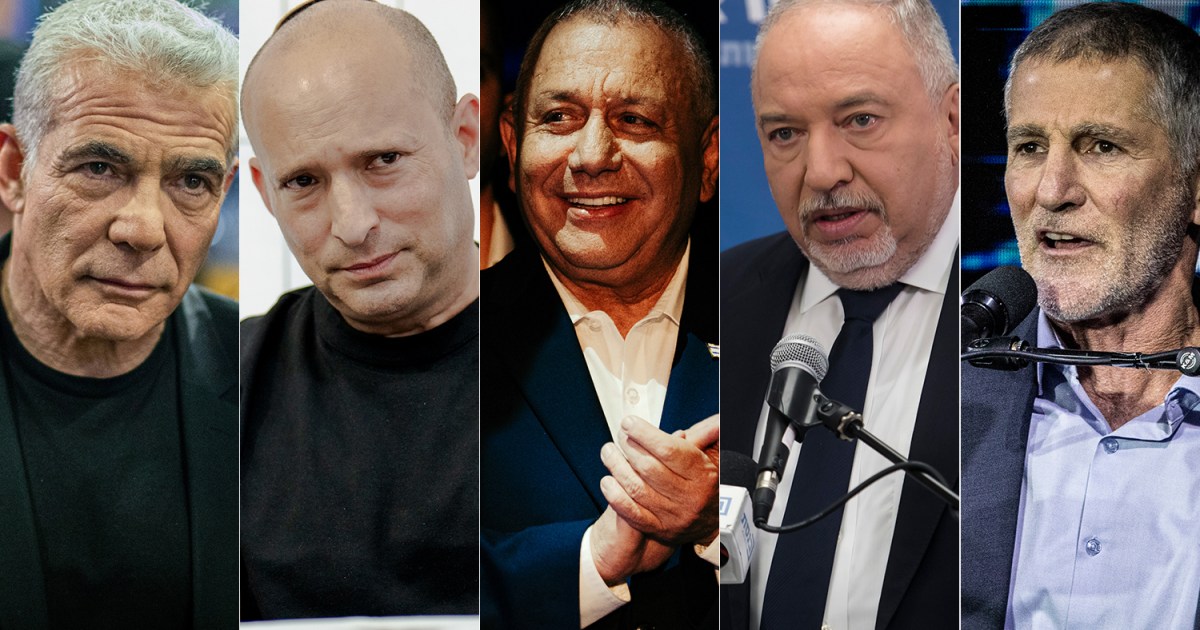
- Opposition figures, including Gadi Eisenkot and Yair Lapid, criticize the current administration for perceived strategic failures while simultaneously proposing more aggressive measures.
- The political theater surrounding potential pre-election military maneuvers highlights deep-seated tensions between national security concerns and electoral strategy.
Background & Context (What Just Happened?)
The geopolitical equilibrium of the Middle East underwent a seismic shift in February when Israel and the United States launched a comprehensive military campaign against Iranian assets. This action was met with broad domestic approval within Israel, as mainstream political parties aligned behind the military effort. However, the momentum was abruptly curtailed in June following an intervention by US President Donald Trump, who declared that both nations had reached a de-escalation agreement. This sudden pivot proved unpopular at home. Recent data from the Israel Democracy Institute suggests that nearly 70 percent of Jewish Israelis felt the cessation of the conflict was detrimental to national security interests, creating a fertile environment for challengers to capitalize on this dissatisfaction.
Root Cause & Deep Dive Analysis (Why Did This Happen?)
The core of the current political divide is the perceived effectiveness of the existing containment strategy. While critics often label Netanyahu as too cautious or politically compromised, the opposition platforms tell a different story. Gadi Eisenkot, a leading voice in the current election cycle, argues that the nuclear program remains an existential threat. His rhetoric implies that the destruction or permanent dismantling of Iranian enrichment capabilities remains the only acceptable outcome. Similarly, Yair Lapid has advocated for a more confrontational economic strategy, proposing the targeting of vital infrastructure on Kharg Island to fundamentally destabilize the Iranian regime. These proposals demonstrate a move toward total kinetic engagement rather than limited deterrence.
Furthermore, Naftali Bennett’s recent policy outlines reveal an even broader scope of aggression. By framing Qatar as an adversary and characterizing Turkiye as a potential future conflict zone, these leaders are advocating for a proactive reconfiguration of the entire Middle Eastern power structure. This aligns with a historical trend where security-first parties seek to assert dominance through military posturing, as discussed in broader analyses regarding the evolution of political movements and regional stability.
Strategic Implications & Future Impact
The global community must recognize that a change in leadership does not necessarily translate to a cooling of tensions with Tehran. The strategic consensus among the Israeli elite is that Iran’s current trajectory is unsustainable. If the opposition secures a mandate, we may witness an acceleration of military planning, provided they secure the necessary diplomatic backing from international partners. The primary concern among the electorate, however, is not the hawkishness itself, but the timing. Opposition leaders are deeply wary that current maneuvers might be used as a distraction or a tactical tool to influence the upcoming vote. The fear of being dragged into a pre-election confrontation has become a central point of friction between the government and its rivals.
Conclusion & What to Watch Next
As election day nears, the rhetoric will likely intensify. While the international media focus remains on the current prime minister, voters are looking for a strategy that ensures long-term security. The tension between the desire for a decisive resolution to the Iran conflict and the fear of political manipulation by current leadership will likely define the final days of the campaign. Watch for how these candidates handle future intelligence disclosures regarding Iran and whether they continue to prioritize regional restructuring as a cornerstone of their defense policy. For further reading on the dangers of political entanglements, one might consider the implications discussed in other security-related narratives.